
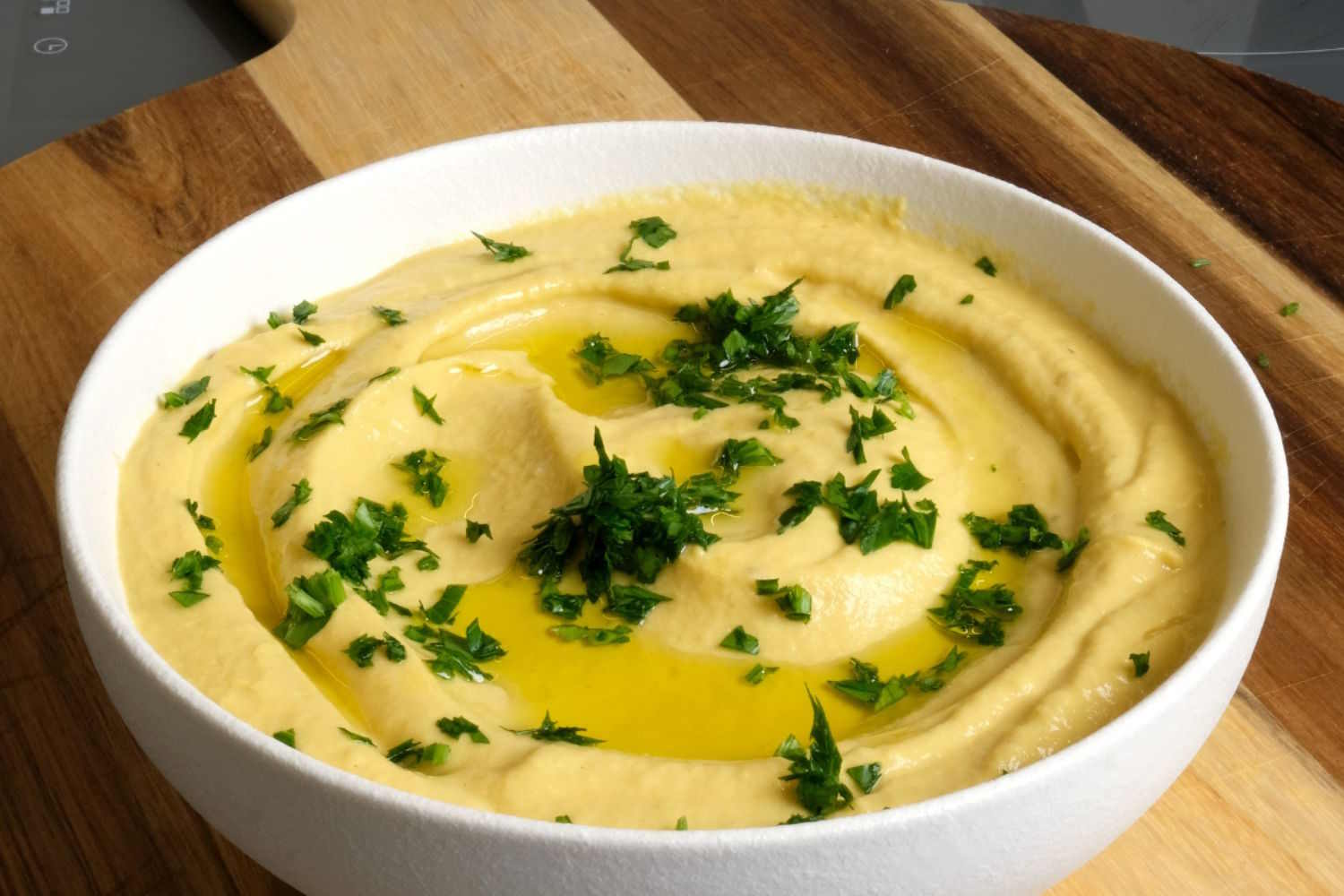
Recycled hummus is much more than a simple chickpea cream: it is a versatile, trendy dish, infinitely customizable based on what you have in the fridge. And it is always perfect, also to start again in the right mood after the famous Christmas “binges”, with a light, nutritious and tasty aperitif.
With the new Bimby TM7 and Cookidoo, the integrated platform with over 100,000 creative recipes, preparing this hummus is really simple. Let’s see how to do it.
How to prepare recycled hummus with Thermomix
The beauty of this recipe lies in its extreme adaptability: practically all leftover vegetables are fine. Carrots, celery, broth onions, fennel, spinach, courgettes, peppers… you name it, whatever you have! The important thing is to give them a second life instead of wasting them.
Ingredients (for 4-6 people)
Preparation
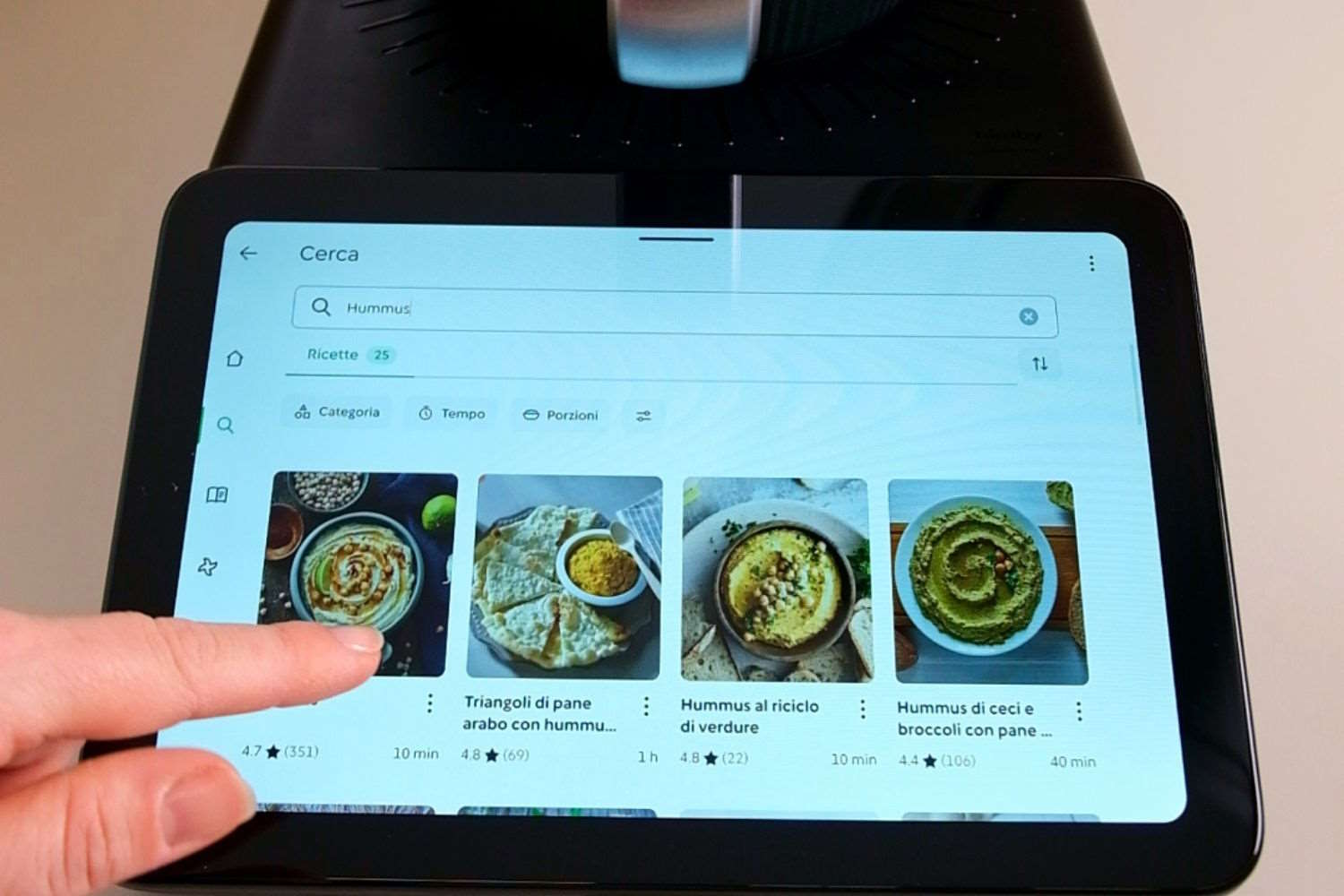
The preparation is very quick. Once you have selected the Cookidoo recipe on the 10″ screen, you start by pouring the leftover vegetables into the bowl, roughly chopped.
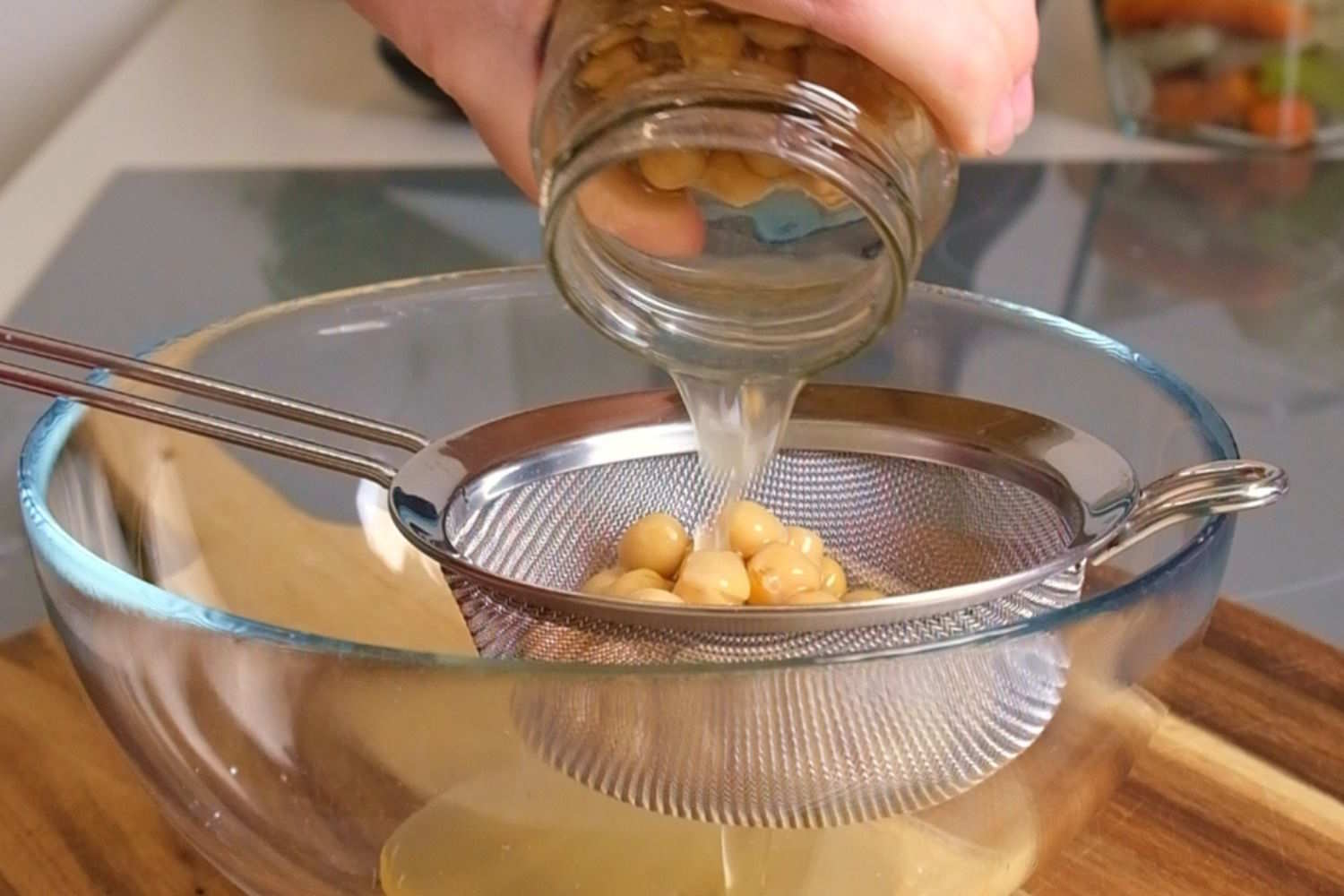
Then comes the time for the chickpeas: here’s a little trick that makes all the difference. When you drain them, don’t throw away the preserving liquid! That precious liquid, also called aquafaba, will serve to make the hummus even more creamy and velvety. Keep a few spoonfuls aside.
Then into the bowl go the chickpeas, the sesame cream, the extra virgin olive oil, the fresh lemon juice, the garlic, the cumin, a pinch of salt and, finally, the chickpea preserve liquid. At this point you blend for 45 seconds at maximum speed and the Thermomix does all the magic.
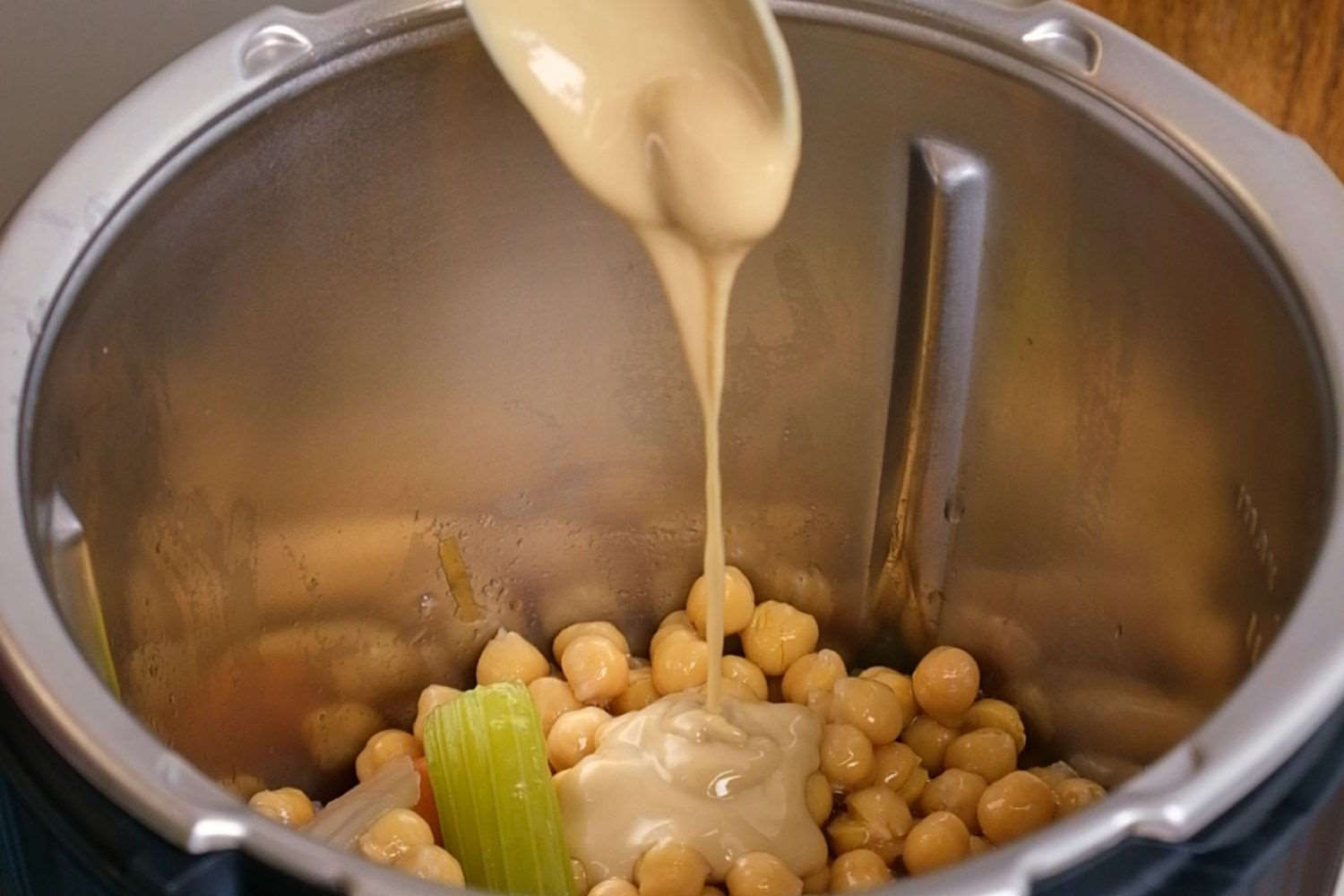
The result? A smooth, silky, perfectly blended cream, with a color that varies based on the vegetables used: orange if you used carrots, green if you opted for spinach, delicate beige if for example you used celery and onions or fennel.
At this point, the hummus is transferred to a bowl with the appropriate spatula, a drizzle of raw oil on the surface, a sprinkling of paprika or cumin, a few leaves of fresh parsley and it is ready to be served.
Perfect with raw vegetable sticks, toasted piadina triangles, crunchy bread, crackers or pita. A colourful, healthy, incredibly good aperitif which – let’s not forget – is also anti-waste.
Why this hummus is brilliant (and why Thermomix makes the difference)
Recycled hummus contains everything we like about sustainable cuisine: it enhances leftovers, is very quick to prepare, costs very little and always looks great.
A versatile dish that adapts to you
The basic recipe is just a starting point. On Cookidoo you can find many variations to experiment with different flavors every time. You can play with spices, add roasted peppers, beetroot for a dramatic fuchsia color, or fresh herbs. The great thing is that the hummus will be different each time based on what you used.
This makes it perfect not only for recovering leftovers, but also for emptying the fridge before doing the shopping, for preparing last minute aperitifs, or for always having a healthy cream ready to spread.
The power of the Thermomix for a restaurant texture
Not all blenders are the same. To obtain a truly creamy, velvety and homogeneous hummus you need power and precision. The Thermomix, thanks to its high-speed blades and time control, transforms chickpeas and vegetables into a perfect cream in less than a minute.
No lumps and no poorly mixed vegetables. Only creaminess and a consistency of a starred restaurant. And all with a single tool, without dirtying blenders, mixers or anything else.
The secret of aquafaba
Using chickpea canning liquid instead of throwing it away is one of those tricks that changes everything. Aquafaba is rich in proteins and starches which, once blended, give hummus that airy and frothy texture that makes it irresistible. It is the same ingredient that is used in pastry shops to make vegan meringues.
This small trick, which Cookidoo suggests, makes the difference between a normal hummus and a professional one. And above all it teaches you not to waste even the preserving liquid, truly enhancing every single element.
There’s something incredibly rewarding about turning vegetables that were about to end up in the trash into a delicious dish. It’s a small but powerful gesture: you say no to waste, you save money, you eat healthier and you make a good impression on your guests (which never hurts).
Recycled hummus is always perfect, even for post-holiday dinners, when you want to start again lightly but without sacrificing taste. It is nutritious, rich in fiber and vegetable proteins, and allows you to easily increase the portions of vegetables in your daily diet.
