
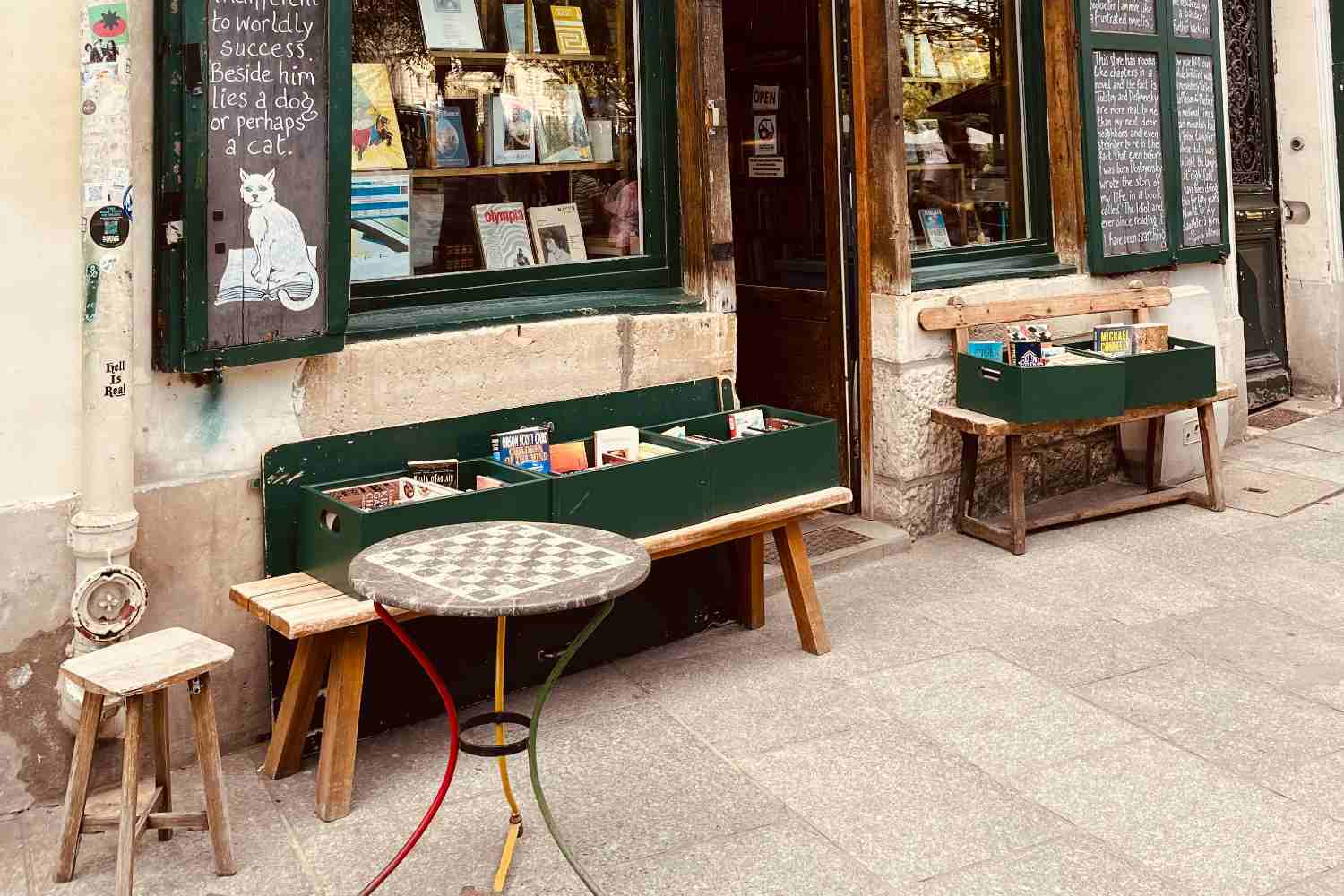
Rome is preparing for a significant change for the urban cultural fabric: by 2026 the Capitoline bookshops will be able to request the OSP – Occupation of Public Land to set up external dehors with tables, seats and spaces dedicated to socializing. A change that brings the Capital closer to the models already adopted in other large European cities, where bookshops have long been hybrid places for meeting, reading and cultural participation.
Who will be able to request the occupation of public land
The measure, approved by the Capitoline Council, concerns different types of businesses. Bookshops over 100 m2 that already carry out food and drink serving activities will be able to access the OSP, but also smaller bookshops, between 50 and 100 m2, provided that a significant part of the space is dedicated to the sale of books.
The most significant innovation, however, concerns the bookshops in the historic centre, including those located in the UNESCO perimeter, which until now were subject to very strict constraints: even without a cafeteria service, they will be able to use the external spaces for cultural events, presentations and public readings.
The idea supported by Carlo Verdone
A symbolic detail accompanies the project: the proposal was brought to the attention of the Council by Carlo Verdone, during his day as mayor in the Campidoglio. The actor supported the initiative as a concrete tool to protect independent bookshops and strengthen the city’s cultural offering, especially in the most commercially fragile neighbourhoods.
A piece of a broader strategy
The dehors for bookshops are part of a broader vision of urban cultural infrastructure. The administration is investing in libraries, study rooms, cinemas and cultural centers, with PNRR funds intended for energy redevelopment and the creation of new public spaces. Even if private, bookshops are recognized as fundamental elements of Rome’s cultural ecosystem, capable of generating social as well as economic value.
The declared objective of the Campidoglio is clear: to strengthen the role of independent bookshops as local cultural centers, preventing ancillary commercial activity from taking over the sale of books. The possibility of drinking a coffee or a glass of wine thus becomes a tool to invite people to stop, read, listen and participate, not a transformation of the identity of places.
You might also be interested in:
