
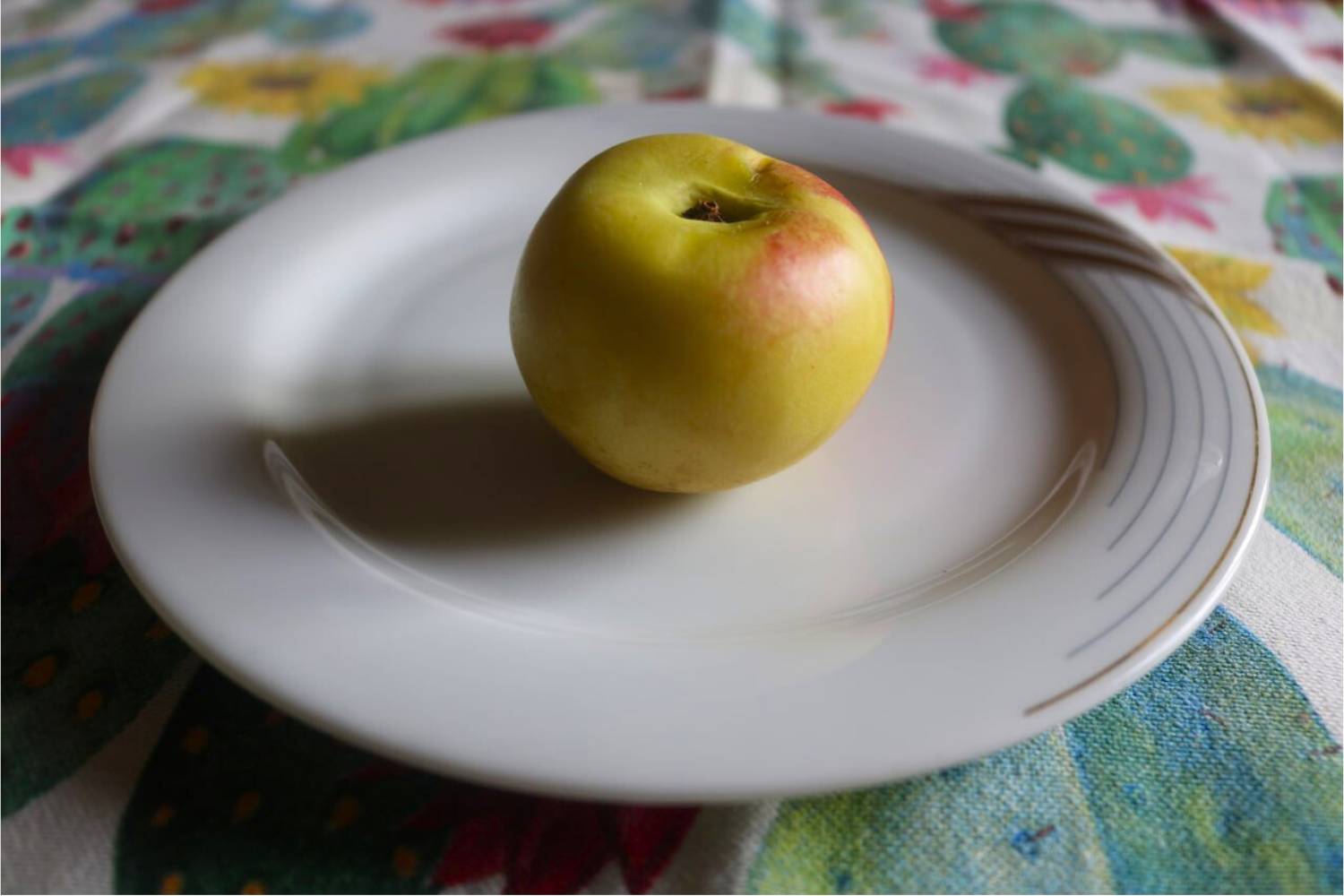
Small like an apricot, rounded like an apple and with an intoxicating scent: Sbergia is a 100% Sicilian delicacy, waiting to be discovered. We are talking about a variety of nectarine that is very well known on the island (but practically impossible to find in the rest of the peninsula) which is cultivated in a rather restricted area and which, unfortunately, is at risk of extinction. Let’s find out where it comes from and what this ancient fruit, little known to most, tastes like!
The ancient origins of Sbergia
That of Sbergia, also known as Smergia, is a story that has its roots in an ancient past. According to tradition, this fruit was introduced to the island by the Arabs, starting from 965. The term “Sbergia” seems to derive, in fact, from the Arabic Al-berchigalater transformed into French Hotels during the Angevin domination.
Today Sbergia is cultivated mainly in the countryside of Catania and Messina (and in some areas of Calabria), but the cultivation of this fruit in the Niceto Valley – which rises on the northern slopes of the Peloritani mountains – is ascertained by documents dating back to the 16th century. Also in Calabria, mainly in Reggio, this variety of nectarine is grown.
Sbergia: flavor and properties
But what does Sbergia taste like? Truly delicious! The white pulp of this fruit with green-yellow skin is very sweet, a cross between that of apples and snuffball peaches. Once ripe, Sbergie take on shades ranging from orange to red.
@greenMe
Sbergie are not only delicious, but also a cure-all for your health. They are rich in water and fiber which helps the intestines. In addition to containing vitamin A and vitamins of groups B and C, they are a concentrate of mineral salts and contain a high level of flavonoids, which have an antioxidant action. Sbergia is therefore the perfect fruit for those who want to promote diuresis and purify the body.
Precisely because of the concrete risk of disappearance, Sbergia was included in the Slow Food Ark of Taste, the catalog that collects food products at risk of extinction throughout the world, with the aim of reporting them and protecting them from oblivion. In the Niceto Valley, the historical cradle of this fruit, there is also a Slow Food Community that has been fighting for years to safeguard its cultivation, together with other increasingly rare local native varieties. A small biodiversity garrison which, in fact, keeps a piece of Sicilian agricultural history alive.
How Sbergia is traditionally enjoyed
In the peasant tradition of the Niceto Valley, Sbergia is not only eaten fresh: it was once customary to immerse it whole in red wine, leaving it to flavor for a few minutes before tasting it, a simple ritual which enhanced its intense aroma even more. The fruit also lends itself well to being transformed into artisanal syrups and jams, still prepared today by some small local companies, often used as a filling for traditional Sicilian desserts. Precisely because the fruit deteriorates very quickly once picked, these preservation methods remain the most widespread way to bring the flavor of Sbergia even beyond the short harvest period.
Finding Sbergie in fruit and vegetable shops is not at all easy. This fruit is harvested between July and early September, but its low production is unable to satisfy market demands and it is rarely exported to the rest of the Italian regions. So if you are in Sicily in the summer, don’t miss the opportunity to taste this exquisite and iconic fruit for Sicilians!
Follow us on Telegram | Instagram | Facebook | TikTok | Youtube
