
The advice comes from the emergency room
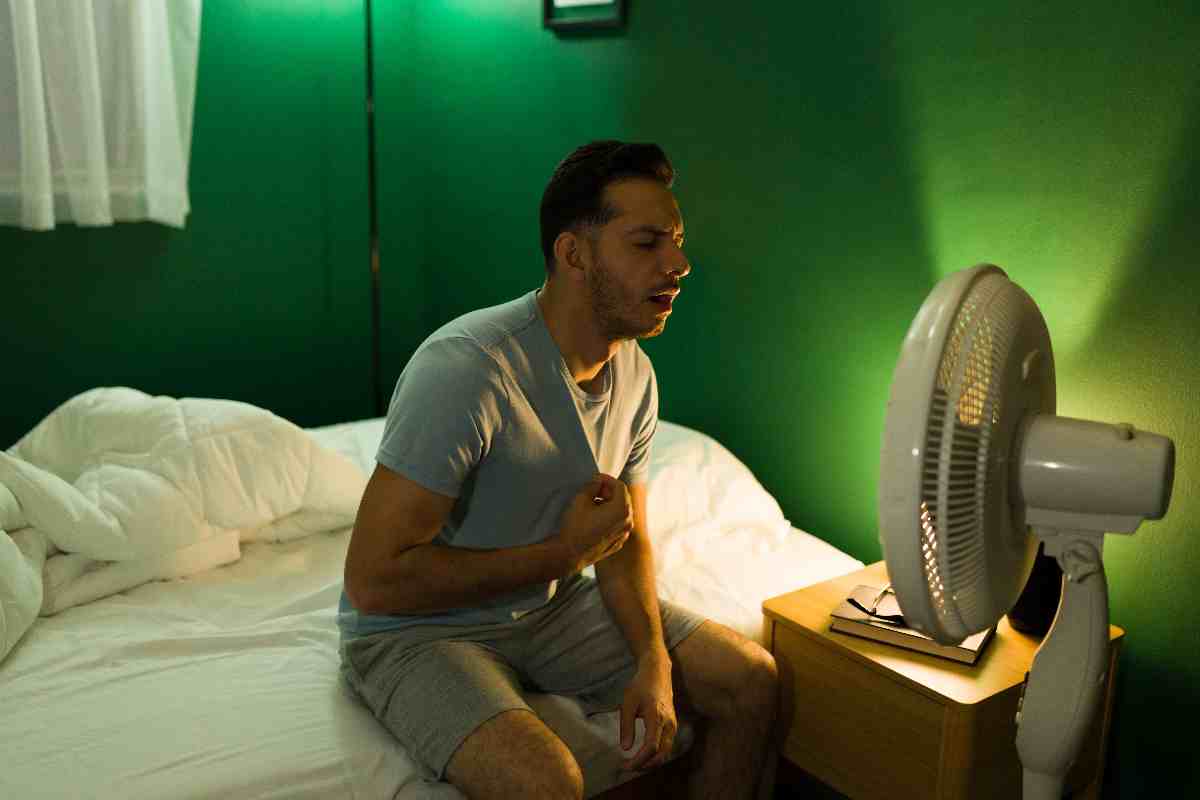
With the arrival of warmer nights, many people struggle to sleep. A practical solution was offered by a former British health service doctor, Jonny Betteridge, now a cosmetic doctor and founder of a private clinic, who shared advice on TikTok born from his experience in emergency room, intensive care and anaesthesia.
How to cool a patient with high fever
Betteridge says that, during his hospital career, he dealt with patients who arrived with very high fevers, even over 40 degrees, caused by heat stroke, reactions to drugs or serious infections. In these cases, one of the most effective techniques to quickly lower body temperature is to apply cold compresses to the points where large blood vessels pass: the neck, groin and, above all according to him, the armpits.
@drjb.aesthetics Slightly different content from me today. Before facial aesthetics, I worked in Emergency Medicine and Anaesthetics, and one of the things we used regularly for patients with dangerously high temperatures was rapid cooling. So if you’re struggling to sleep in this heat, try this tonight: Place cool packs under your armpits
You can also rotate around the neck or groin area These areas sit over major blood vessels, helping you cool down faster. Personally, I find under the arms works best. I’m a side sleeper and literally tuck one under my arm while I sleep. Add a fan and honestly it makes such a difference in this weather. Just wrap the pack in a thin cloth/top initially if it’s very cold. #heatwave #sleeptips #doctorsoftiktok #nhsdoctor #sleephacks
♬ original sound – Dr Jonny
Why it works: the science behind the trick
The principle on which the advice is based is not new to emergency medicine: it is called cooling by conduction through the large superficial vessels. Armpits, neck and groin are places on the body where major arteries and veins pass very close to the surface of the skin, without the insulating layer of fat and muscle that protects blood elsewhere. Applying cold to these areas cools the blood passing through them more quickly, and this cooled blood then circulates throughout the body, lowering the overall body temperature more efficiently than, for example, a compress on the forehead. It is the same reason why in hospitals, in cases of severe hyperthermia, medical personnel place ice exactly in these three points.
It must be said that heat stroke in the emergency room and an uncomfortable summer night are very different situations in terms of severity: in the first case the intervention is to bring the internal temperature back to levels compatible with life, in the second it is simply a matter of encouraging the natural drop in body temperature that the body physiologically makes to fall asleep. However, the trick remains a practical way to “give a boost” to this process on the hottest nights.
The trick to try at home
The advice that the doctor has transformed into a home remedy for summer nights is simple: get two small ice packs, wrap them in a thin cloth or t-shirt and place them under your armpits while you sleep on your side. Combined with the use of a fan, this method helps the body relax and aids in falling asleep, according to Betteridge. The video has garnered thousands of likes, with several users saying they are ready to try it.
It is important to never apply ice directly to the skin: the cloth or t-shirt that wraps it serves precisely to avoid cold burns (the so-called localized “frostbite”) and to make the sensation tolerable throughout the night.
Because sleeping is more difficult when it’s hot
To fall asleep, the human body needs the internal temperature to drop slightly: it is a physiological signal that triggers sleep. When the environment is too hot, this natural decline is hindered, and this is why summer nights are often more restless, with frequent awakenings and less restful sleep even when you manage to fall asleep. Understanding this mechanism helps to understand why localized cooling techniques, such as the one suggested by Betteridge, can make a difference: it is not a question of “cooling the room”, but of actively assisting the body in its natural process of lowering the temperature.
Other tips for hot nights
In addition to this tip, the Red Cross also offers guidance on how to deal with hot nights. The organization points out that high temperatures can alter the body’s internal regulation, making it more difficult to both fall asleep and maintain continuous sleep, and that sleeping well during a heat wave is particularly important for those who belong to more vulnerable categories, as rest supports immune defenses, energy levels and cardiovascular health. Suggested practical advice includes sleeping on the lowest floor of the house, wearing cold socks, taking a warm shower before bed and avoiding alcohol in the evening hours.
To these we can add other small precautions popular among sleep experts: keeping shutters and curtains closed during the day so as not to heat up the room, using light cotton or linen sheets instead of synthetic fabrics, and hydrating sufficiently during the day, but avoiding drinking too much water in the hour immediately preceding sleep.
Frequently asked questions
Does putting ice under your armpits really work to help you sleep better?
The scientific principle is valid: armpits, neck and groin are points where the large blood vessels are more superficial, so cooling in these areas is more effective than elsewhere. There are no specific studies on this practice as a remedy for sleeping better during the heat, but the physiological mechanism is the same used in the medical field to reduce fever.
Is it safe to apply ice directly to the skin?
No. Ice should always be wrapped in a thin cloth, a t-shirt or a towel, to avoid irritation or cold burns on the delicate skin of these areas.
How long can you keep the ice pack under your armpits?
There are no standardized indications for this “home” use, but in general it is best to avoid prolonged and continuous exposure: it is better to remove it if you feel discomfort or excessive numbness.
Can this method replace air conditioning or fan?
No, it is intended as a complement, not as an alternative. Betteridge himself recommends combining it with a fan to achieve a more complete cooling effect.
Who should avoid this practice?
People with circulatory problems, hypersensitivity to cold, or conditions such as Raynaud’s phenomenon should use caution or avoid applying ice to large blood vessel sites, and consult a doctor if in doubt.
What other solutions help you sleep during heat waves?
Among the indications of the Red Cross: sleep on the lowest floors of the house, wear cold socks, take a warm shower before going to bed and avoid alcohol in the evening hours. Also useful are curtains closed during the day, light sheets made of natural fibers and correct hydration during the day.
