
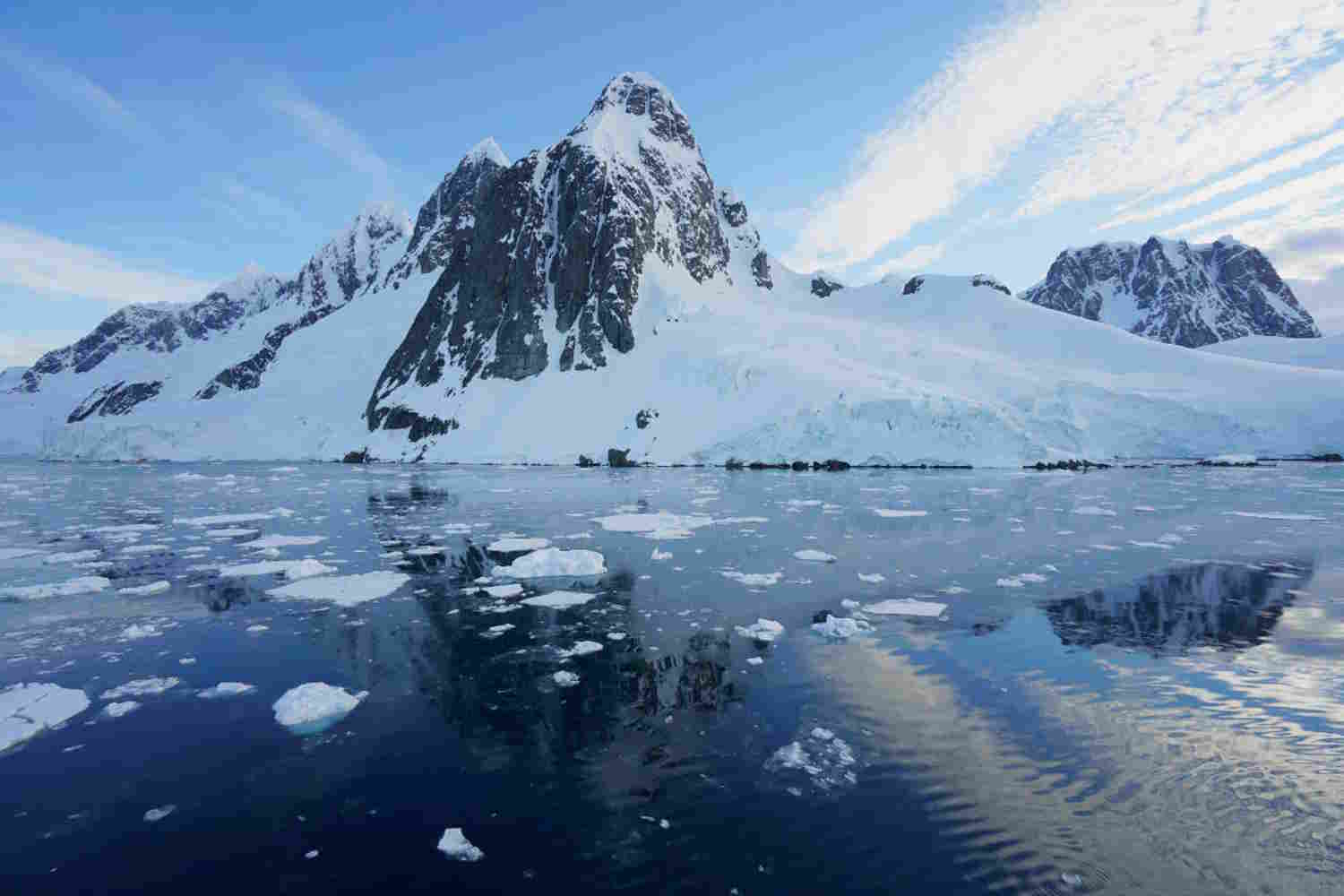
Melting glaciers are releasing ancient antibiotic resistance genes into ecosystems, raising serious public health and environmental concerns. The reason?
A new review published on shows this Biocontaminant which analyzes how glaciers serve as long-term reservoirs of antibiotic resistance genes (ARGs), genetic elements that allow bacteria to survive exposure to antibiotics. Once released by melting glaciers, these genes can enter rivers, lakes and ecosystems that provide drinking water and support wildlife in polar and high-altitude regions.
Glaciers have long been considered isolated environments, but, as the lead researcher points out Guannan Mao from Lanzhou University, this new review shows that they are also genetic archives that preserve antibiotic resistance, and that climate warming is transforming these archives into active sources of risk.
A growing global risk
Antibiotic resistance is one of the most pressing global public health challenges. Although resistance is often associated with modern antibiotic use, many resistance genes are ancient and naturally present in the environment. Glaciers preserve microorganisms and their DNA in cold, nutrient-poor conditions, sometimes for hundreds of thousands of years. As temperatures rise, these microorganisms and genes are released into downstream water systems.
The research team examined various studies conducted in Antarctica, the Arctic, the Tibetan Plateau and other glacial regions. While resistance levels in glaciers are generally lower than in heavily polluted environments, the review highlights that a wide range of resistance genes have been detected, including those linked to clinically relevant antibiotics.
The waters of glacier-fed rivers and lakes are vital sources of drinking water for millions of people. Once resistance genes enter these connected systems, they can interact with modern bacteria, increasing the risk of spread within microbial communities.
The “glacial continuity”
A key concept introduced by the study is that of “glacial continuity”, which invites us not to treat glaciers, rivers and lakes as separate environments. Instead, the authors suggest that they should be viewed as a connected system, through which resistance genes move, transform, and amplify.
As meltwater flows downstream, environmental conditions become more favorable for microbial growth and gene exchange. According to the researchers, rivers can act as mixing zones where resistance genes are exchanged between bacteria, while lakes can accumulate them and pass them through food chains, including fish and other aquatic organisms.
The review also highlights that resistance genes can coexist with virulence factors, genetic characteristics that allow bacteria to cause disease. So it goes without saying that melting glaciers are likely contributing to the emergence of drug-resistant and potentially harmful bacteria. And not only that: human activities further complicate the picture. Air pollutants, migratory birds, tourism and science stations can introduce modern resistance genes into remote glacial environments. In some regions, such as the Arctic, resistance levels are significantly higher than in Antarctica, due to greater human influence.
To address these risks, the authors call for coordinated monitoring programs using advanced genetic tools, such as metagenomic sequencing, to track resistance genes along the glacial continuity. The need for early warning frameworks that can assess ecological and health risks before resistance spreads on a large scale is also highlighted.
What emerges from this analysis? That the climate crisis is also capable of reshaping microbial risks in ways that are barely clear, which is why recognizing glaciers as part of the global antibiotic resistance landscape is an important step in protecting both environmental and human health.
