
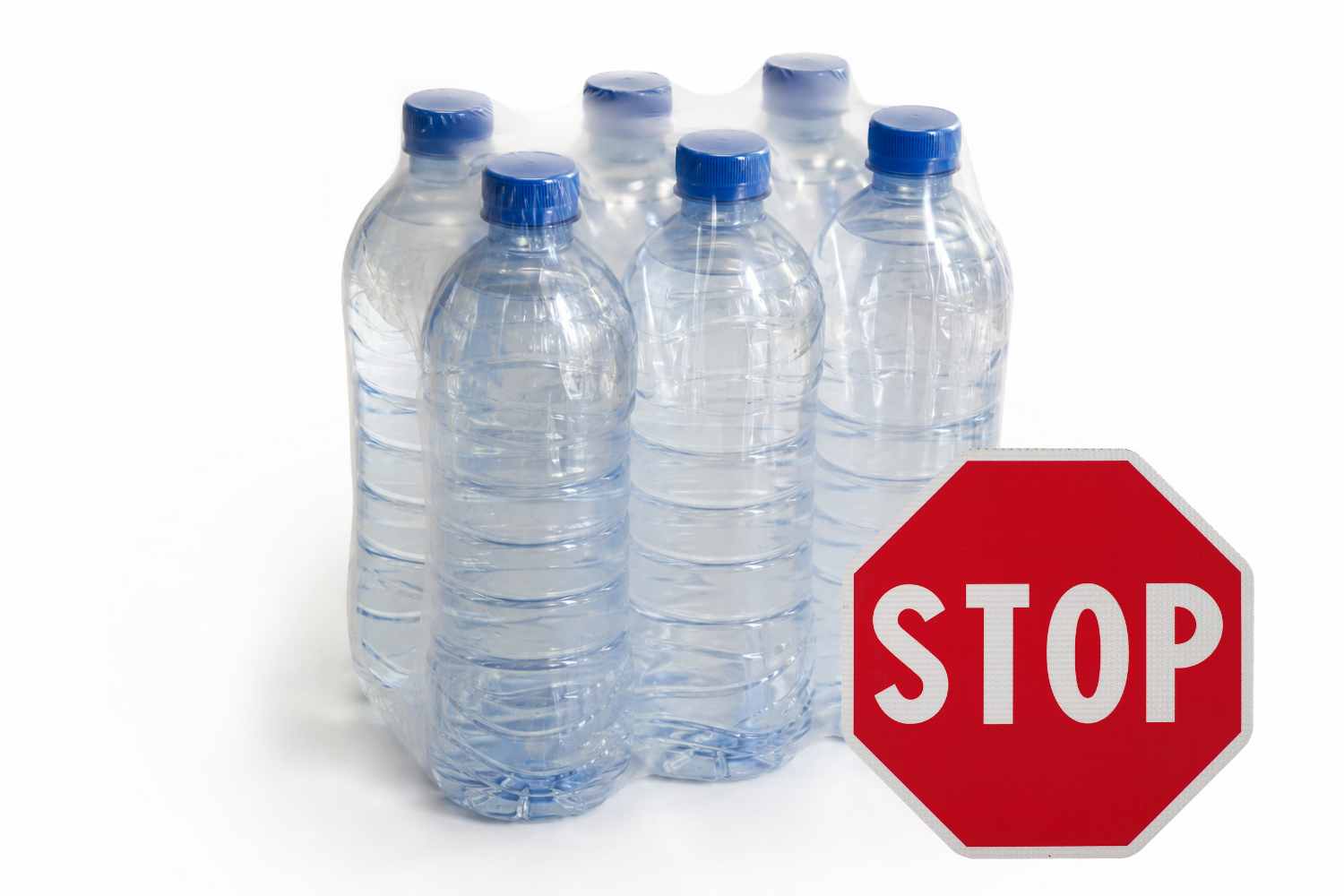
Three and a half years is the time that separates the entry into force of the European regulation on packaging from the ban (already written, for now only on paper) on selling bottles of water in the classic six-packs held together by a plastic wrapper. However, a tug of war has opened between the norm and the supermarket shelf that could change the outcome. Regulation (EU) 2025/40, approved by the European Parliament and the Council on 19 December 2024 and published in the Official Journal on the following 22 January, rewrote the packaging regulations from top to bottom, replacing a directive that dated back to 1994.
It is not a text that remains fixed on paper, the effects unfold gradually, and the first relevant appointment is already upon us. From 12 August 2026, the obligation will come into force for all packaging placed on the market to be made with recyclable materials, a step which, it must be said, most companies had moved on well in advance. Alongside the regulation, a communication from the European Commission also arrived, C/2026/3084, which resolves some technical issues on what is meant by “packaging” for the purposes of the standard, a guidance document designed to accompany companies in the application of the new rules, not to introduce new ones.
The crux of multipack packaging
The deadline that has turned the spotlight on consumers is January 1, 2030. From that date, Article 25 of the regulation prohibits the placing on the market of a series of formats listed in Annex V, all classified as single-use plastics. Among these appear “multiple” packaging, or multipack: the film that holds together, say, six bottles of water and which performs no other function than that of grouping them together. This is, however, where the text leaves room for manoeuvre. The same regulation excludes from the ban packaging “necessary to facilitate the handling” of the products, a formula flexible enough to include, with the right interpretation, even six-packs. And the companies in the water sector, according to what various industry sources report, are not sitting idly by, putting pressure on the Commission to ensure that this is precisely the reading to adopt. The final clarification is not far away: Article 25(6) sets 12 February 2027 as the deadline for Brussels to publish detailed guidance on Annex V, accompanied by practical examples and possible exemptions. Until then, the fate of the six-packs remains written in pencil.
What will really disappear from the shelves by 2030
Annex V does not end in the case of water bottles. Here are the other categories of disposable packaging which, barring corrections arriving with the clarifications of 2027, will no longer be able to be placed on the market:
The Commission has until February 12, 2027 to determine what actually falls under Annex V, and that deadline falls right between now and the ban’s entry into force, in the window in which pressure from water companies can still have an effect, before the rule becomes irreversible. It will not be a coincidence that the text leaves room for interpretation on “manipulation”: it is in that gray space that it will be decided whether six-packs will survive 2030, or will end up among the things that Europe had only banned on paper.
