
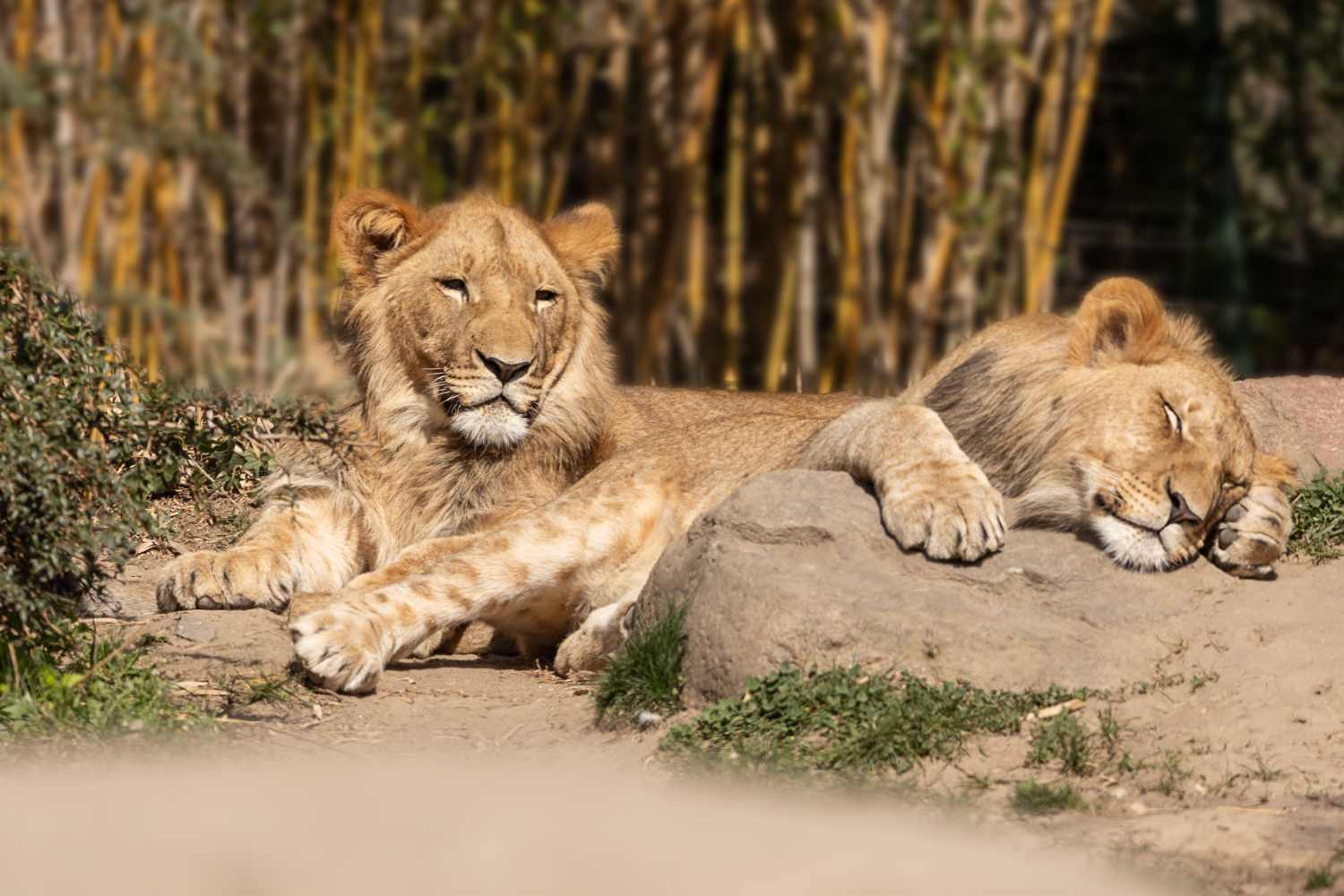
A true ecological drama has shaken northern Tanzania, where ten lions were found lifeless in the famous Ngorongoro conservation area, located in the Arusha region. The discovery, which occurred on Friday in the Ndutu area of Endulen district, was announced by the Ngorongoro Conservation Authority through an official statement released on Saturday evening.
The first analyzes conducted in the field and the preliminary results point decisively towards the darkest hypothesis, suggesting that the felines died after ingesting poison. A pool of wildlife experts and officials immediately opened an in-depth investigation to shed full light on the dynamics of the facts and trace the identity of those responsible for this reckless act, which affects one of the most protected and visited natural sites on the planet, recognized as a UNESCO world heritage site and known for hosting the famous Big Five of the African savannah.
The conflict between man and nature and its precedents in East Africa
The tragic episode forcefully puts the spotlight back on the dramatic scourge of conflict between predators and local breeders, a constant and recurring threat to the survival of large carnivores throughout East Africa. Lions represent a vulnerable species, forced to deal with the progressive reduction of their natural habitat and the phenomenon of poaching, despite living in a protected context which is home to approximately half of the world’s wild lion population.
Unfortunately, the trail of poisoning is not isolated and is echoed in recent news events recorded beyond national borders: only at the beginning of January did the Lion Guardians organization report the death of another 6 lions due to toxic bait near the border between Kenya and Tanzania, a theory confirmed by the discovery of 30 dead vultures nearby. Added to this is the recent investigation conducted in Kenya, where the police arrested 4 suspects following the mysterious death of 18 elephants due to probable cyanide poisoning. Local authorities are now closing in on Ngorongoro to stop a massacre that continues to jeopardize the biodiversity of the continent.
