
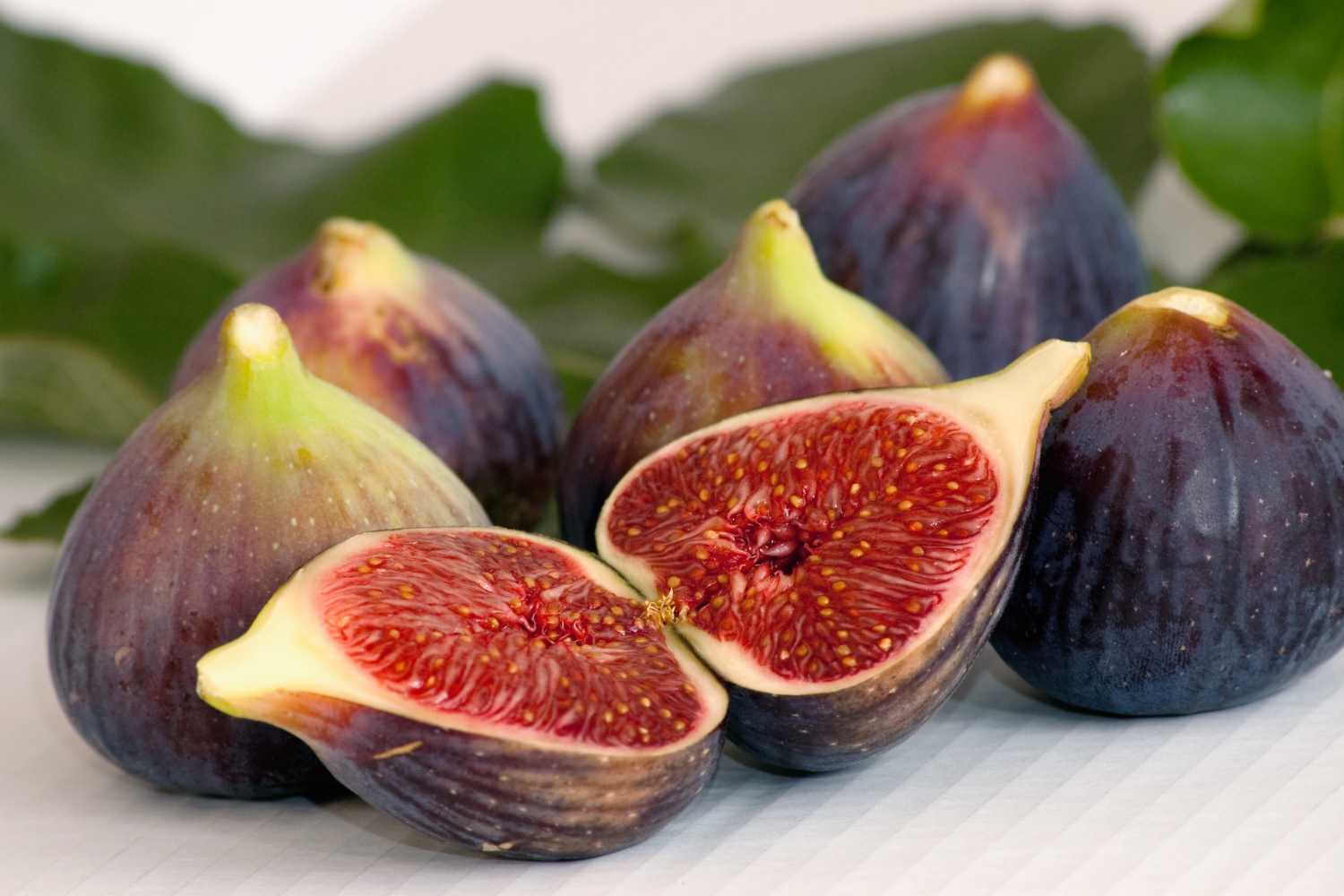
There is a time of year when the fig tree is at its best: September. It is the month in which many varieties reach full ripeness and give a very sweet, soft and fragrant pulp. The problem is that this pleasure does not last long. The fig is in fact one of the most delicate fruits to bring to the table: a few days too long or incorrect storage is enough to end up with a soft, bruised or already compromised fruit.
Its fragility depends precisely on the characteristics that make it so loved. The thin peel does little to protect the internal pulp, rich in water and sugars, and the ripening process does not stop immediately after harvesting. For this reason, figs often arrive on the market ready to eat and do not wait long before losing their consistency and aroma.
How to choose the best figs
When buying figs you should be guided more by touch than by appearance. A properly ripe fig must be soft under light pressure from the fingers, but must not be soft or yield too much. The peel may have small imperfections, because a perfect-looking fruit is not always the tastiest.
A good indicator is also the scent: a fig ready to taste releases a sweet and intense aroma, especially in the area near the stem. On the contrary, a still unripe fruit often appears too firm, not very fragrant and with a less sugary pulp.
Instead, it is better to avoid figs with very large dark spots, crushed parts or traces of mold. These signs indicate that the deterioration process has already begun.
The trick to understanding if a fig is really ripe
A small gesture can help choose the right moment: observe the shape. When the fig is ripe it tends to become fuller and slightly curved downwards, almost as if the weight of the pulp made it “bend”. The droplet of latex that may appear near the stalk is also a sign of the presence of the plant, but does not necessarily indicate the degree of ripeness.
A little-known curiosity concerns the very nature of the fig: what we call fruit is actually a transformed inflorescence, called syconium. Inside there are many small flowers enclosed in the part that we normally consider the pulp.
How to keep fresh figs longer
The refrigerator is the first ally to slow down deterioration, but it must be used correctly. Figs don’t like being piled on top of each other: the pressure easily ruins the skin and accelerates the appearance of mold.
The best solution is to place them in a low container, perhaps with a sheet of absorbent paper on the bottom to limit humidity. It is best to wash them only before consuming them, because water on the surface can encourage deterioration.
Even in the refrigerator, however, one should not expect miracles: the fresh fig remains a fruit to be eaten quickly. Precisely this nature has made it over the centuries a food often transformed into preserves and dried figs, so that it can be enjoyed even out of season.
Can figs be frozen?
Yes, figs can be frozen and are a good solution when they ripen too quickly and you can’t consume them all. Before putting them in the freezer it is best to wash them, dry them carefully and store them whole or cut in half.
Once thawed they will lose some of their original consistency, so they will be less suitable to eat plain. However, they remain perfect for preparing desserts, smoothies, jams or compotes.
What to do with overripe figs
A very ripe fig is not necessarily worth throwing away. Indeed, often just when it becomes softer it reaches its maximum sweetness. It can be transformed into a homemade jam, become the filling of a tart or accompany savory ingredients such as mature cheeses and dried fruit.
It is also a simple way to reduce food waste and recover a fruit that has now passed the ideal time to be consumed fresh.
Why is September the month of figs?
The fig has accompanied the history of the Mediterranean diet for millennia. In Italy there are numerous local varieties and many areas have developed traditions linked to its conservation, especially through drying. Some varieties are particularly appreciated precisely for this transformation, such as the Fico dottato, widely used for the production of dried figs.
