
In 2025, botany has continued to surprise us with discoveries that seem to arise from an exercise of imagination, but are instead the result of years of field work, genetic analyzes and patient observations. Plants that imitate insects, species that pretend to be stones, trees that survive only thanks to fungi. They all have a name, a history and, often, an uncertain future.
Telipogon cruentilabrum, the Andean orchid that fools flies
Discovered in the mountain forests of Ecuador, this epiphytic orchid grows on tree trunks without parasitizing them. Its distinctive feature is the blood-red labellum, which imitates the appearance of the females of some flies. The males, deceived, attempt to mate and carry the pollen. A masterpiece of evolution, today threatened by mining and agriculture.
Primulina papillosa, the plant that grows only on limestone rocks
This species has been identified in China as it lives on almost vertical rock walls, in extreme environments where few other plants can survive. An example of extreme adaptation and, at the same time, of great fragility.
Lithops gracilidelineata, the “living stone” that becomes invisible in the desert
In northern Namibia this succulent plant has perfected the art of camouflage: it looks like a simple stone. Only two fleshy leaves emerge from the ground and let light filter through a translucent window. There’s only one problem: it’s so beautiful and rare that it falls prey to illegal collecting.

Pinanga multicristata, the palm that changed its gender thanks to DNA
In the Philippines, a palm studied for years has finally been recognized as a new species thanks to genetic analyses. The morphological differences were subtle, but the DNA clarified everything. An example of how modern botany is rewriting old classifications.
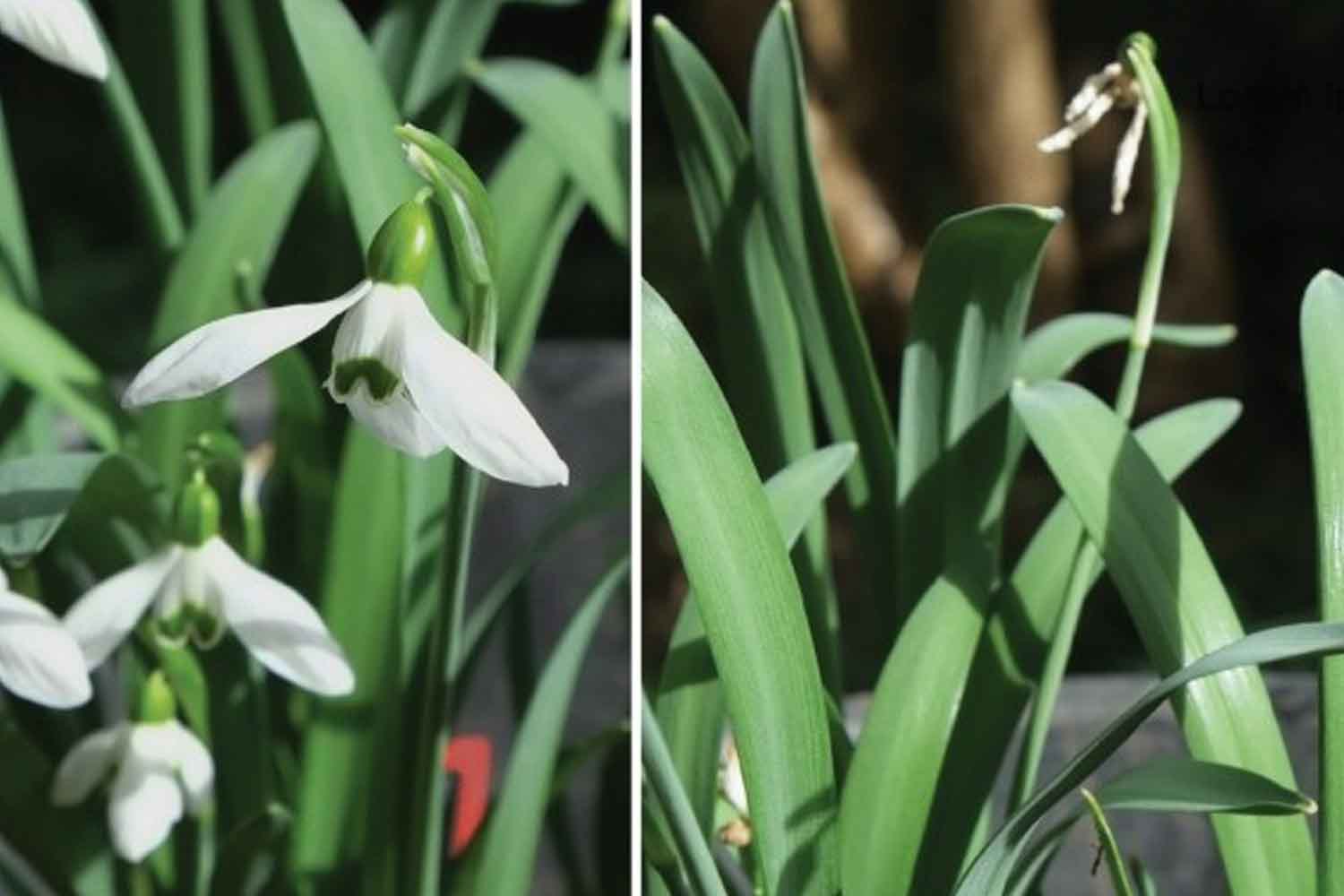
Galanthus subalpinus, the snowdrop that has fooled gardeners for decades
Cultivated for years as a common variety, in 2025 it was discovered that this snowdrop is a species in its own right, native to a very small mountainous area in the Balkans. DNA and genome analyzes revealed the deception. Today the species is threatened by fires, grazing and uncontrolled trade.
Vepris bali, the African plant that disappeared almost immediately after its discovery
Scientifically described only recently, this Cameroonian forest species is already considered probably extinct in the wild. Its habitat was destroyed before it could be protected. A symbolic case of how time plays against biodiversity.
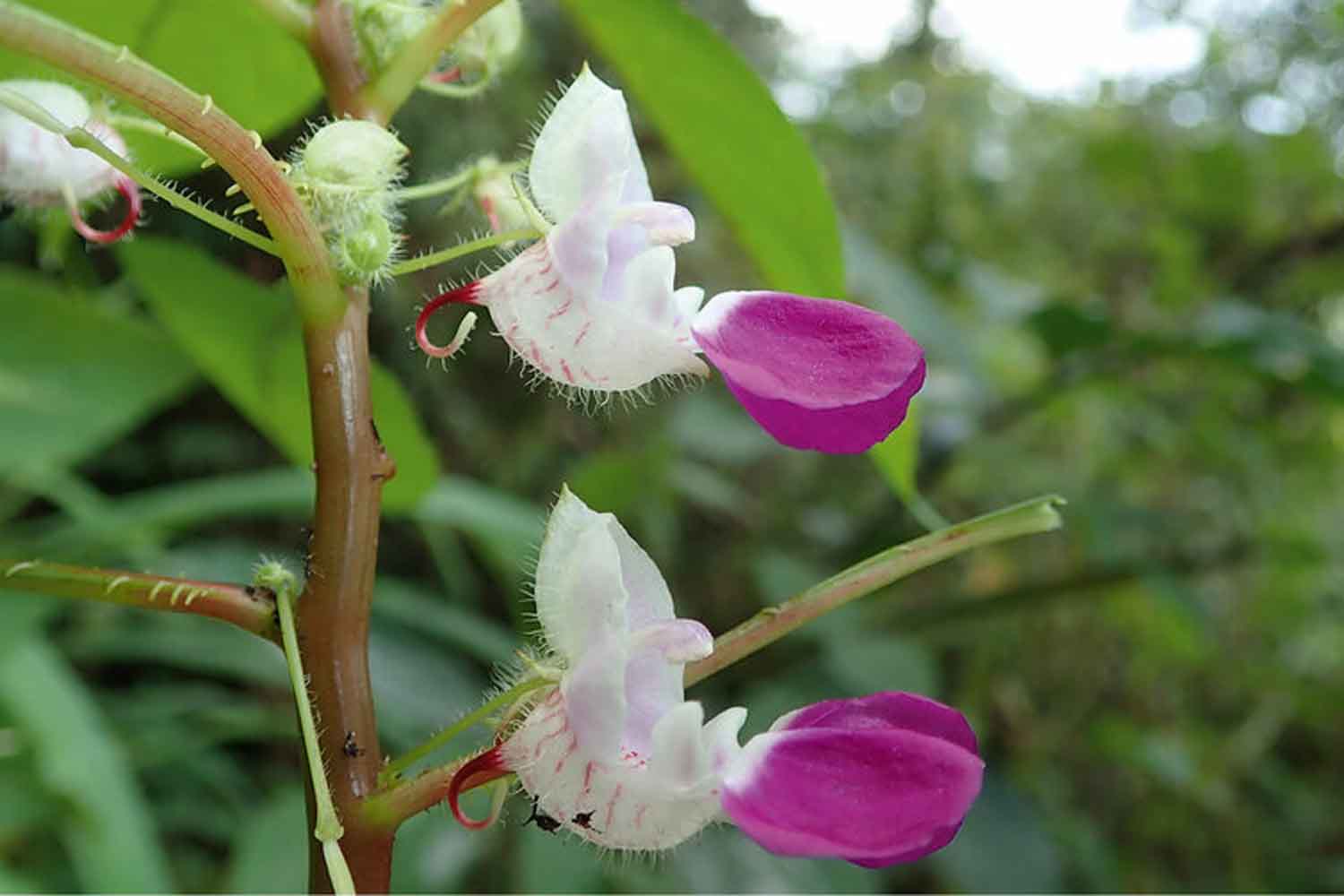
Impatiens banen, the flower that grows only near waterfalls
This new African species lives exclusively on rocks washed by the spray of waterfalls. A spectacular, but fragile environment. All it takes is to divert a stream or build a dam to wipe out the entire population.
Afrothismia kupensis, the underground plant that lives without photosynthesis
Discovered on Mount Kupe, Cameroon, this species lives almost entirely underground and does not produce chlorophyll. It survives thanks to a complex relationship with soil fungi. It is so specialized that it is extremely vulnerable to any environmental change.
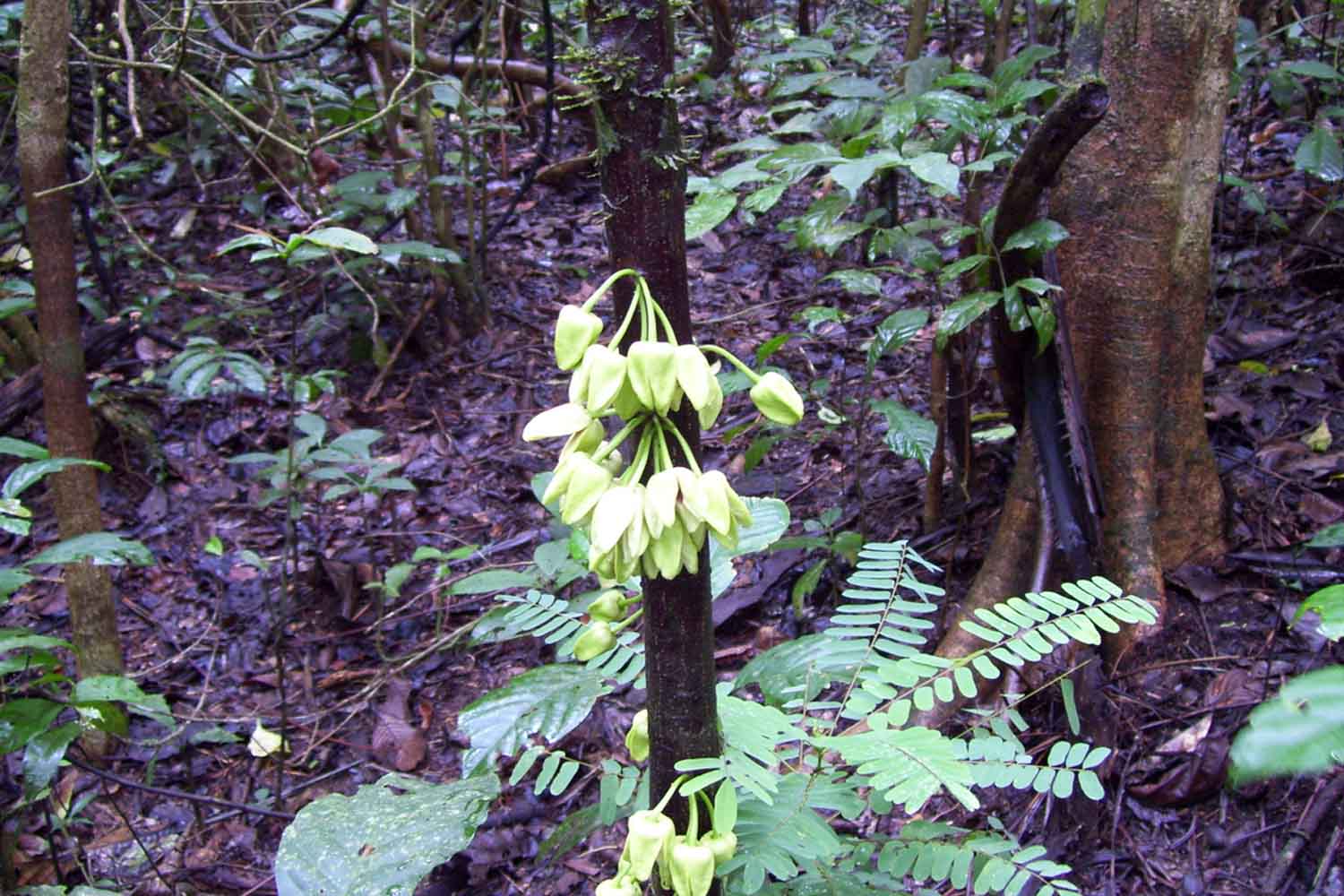
Uvariopsis dicaprio, the African tree dedicated to Leonardo DiCaprio
Discovered in Cameroon, this tree species from the Annonaceae family has been given a newsworthy name. It grows in increasingly fragmented forests and depends on mycorrhizal fungi to absorb nutrients from the soil. Without this invisible network, the plant does not survive.
Nepenthes putaiguneung, the carnivorous plant of the Indonesian mountains
Discovered in hard-to-reach mountain areas, this carnivorous plant uses jug-shaped traps to capture insects and small organisms. It lives in very limited habitats and is threatened by climate change and uncontrolled tourism.
These ten species tell a less reassuring reality than it seems. Science is still discovering plants that have existed for millennia, but it is doing so at a historical moment in which territories, ecological balances and even names end up arriving too late. It is not a question of environmental sensitivity, but of time: what is needed to study, classify and understand, versus the much quicker time of transformations imposed by man. And often the bill comes before the answers.
You might also be interested in:
