
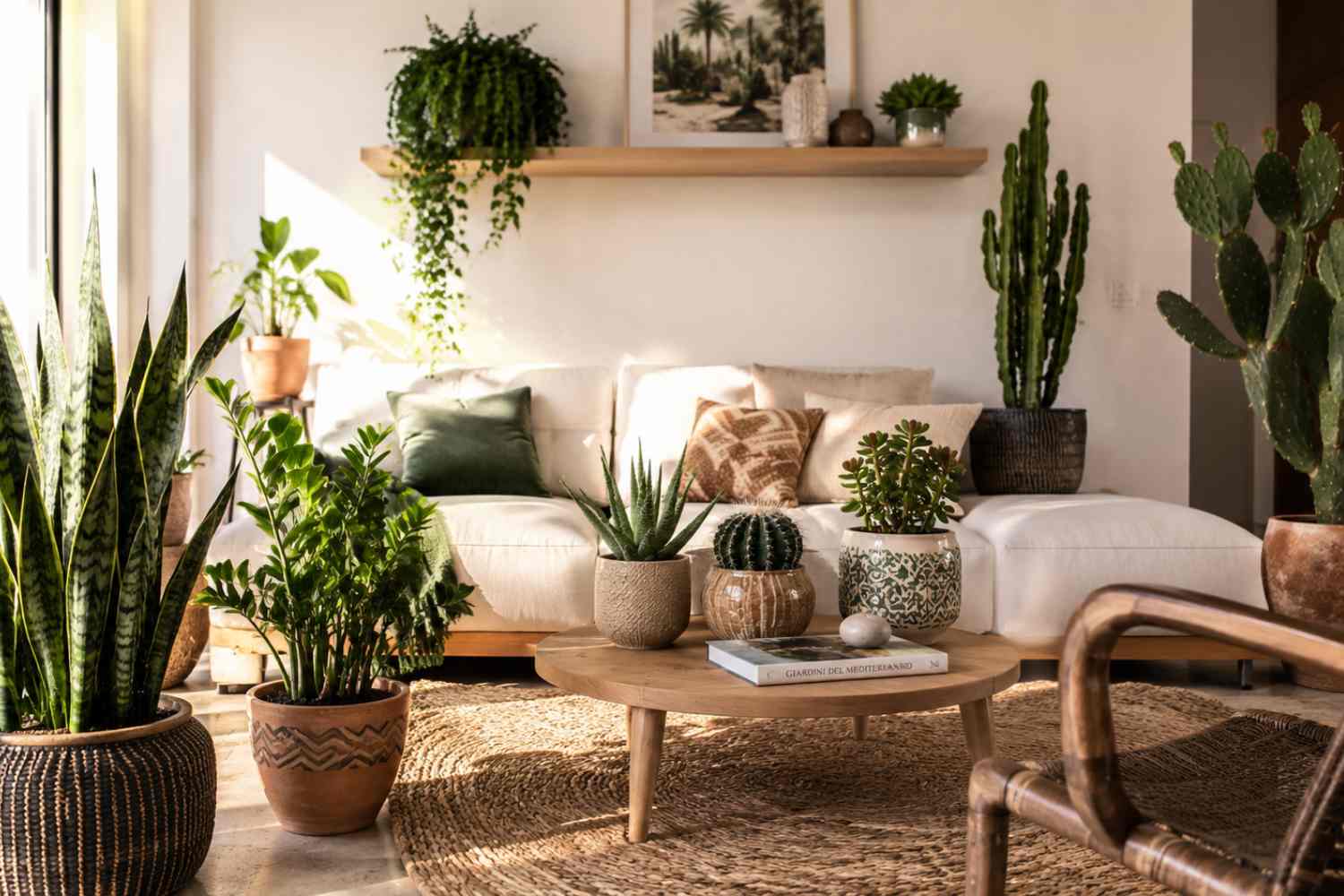
Summer holidays, weekends away and increasingly frenetic rhythms often put the survival of houseplants to the test. While some species require constant attention and regular watering, others are naturally predisposed to tolerate periods of drought thanks to their ability to store water in their leaves, stems or roots.
For those who want a house full of greenery without having to check the humidity level of the soil every day, there are numerous varieties capable of resisting for weeks with little care. Here are twenty plants that combine ornamental value, ease of cultivation and a surprising ability to adapt to lack of water.
Sansevieria
Among the most resistant plants of all, sansevieria is appreciated for its rigid and vertical leaves. It can withstand long periods without watering thanks to the fleshy tissues that retain water. It grows well both in very bright environments and in less lit rooms and suffers more easily from excess water than drought.
Zamioculcas
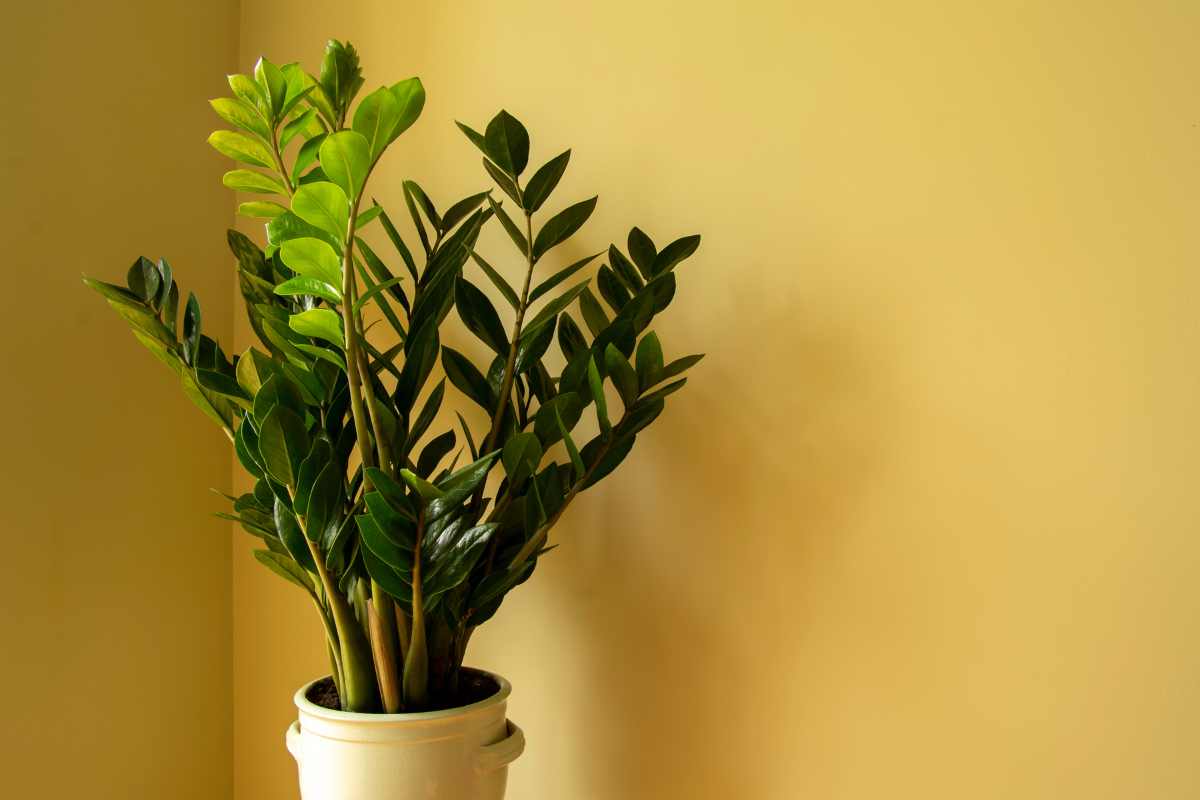
Elegant and modern, zamioculcas is one of the most recommended species for those who have no experience in gardening. Its underground rhizomes function as natural water reserves, allowing it to cope with weeks of dry soil without problems. It requires little maintenance and maintains a tidy appearance throughout the year.
Aloe vera
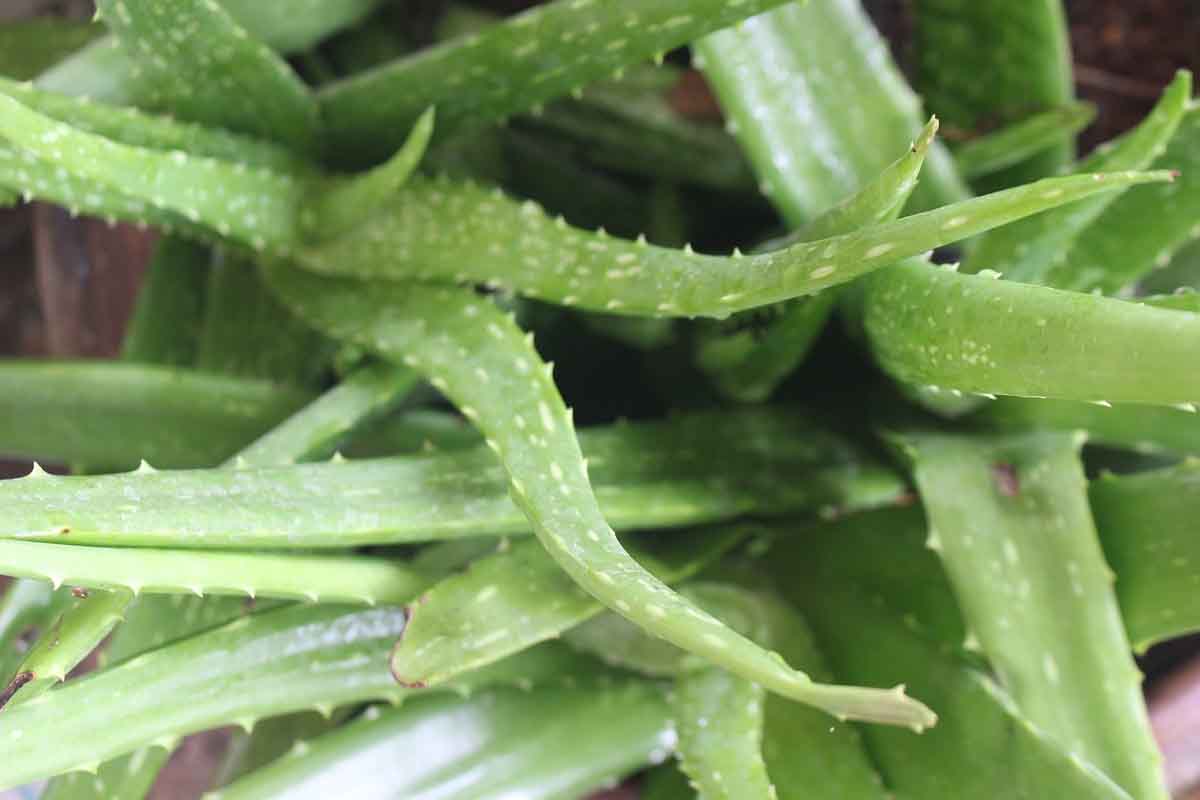
@teerananbintayeb/Pixabay
Known above all for the soothing properties of the gel contained in the leaves, aloe vera is a plant native to arid environments. Its fleshy leaves store considerable quantities of water and allow the plant to easily survive long periods without watering.
Crassula ovata
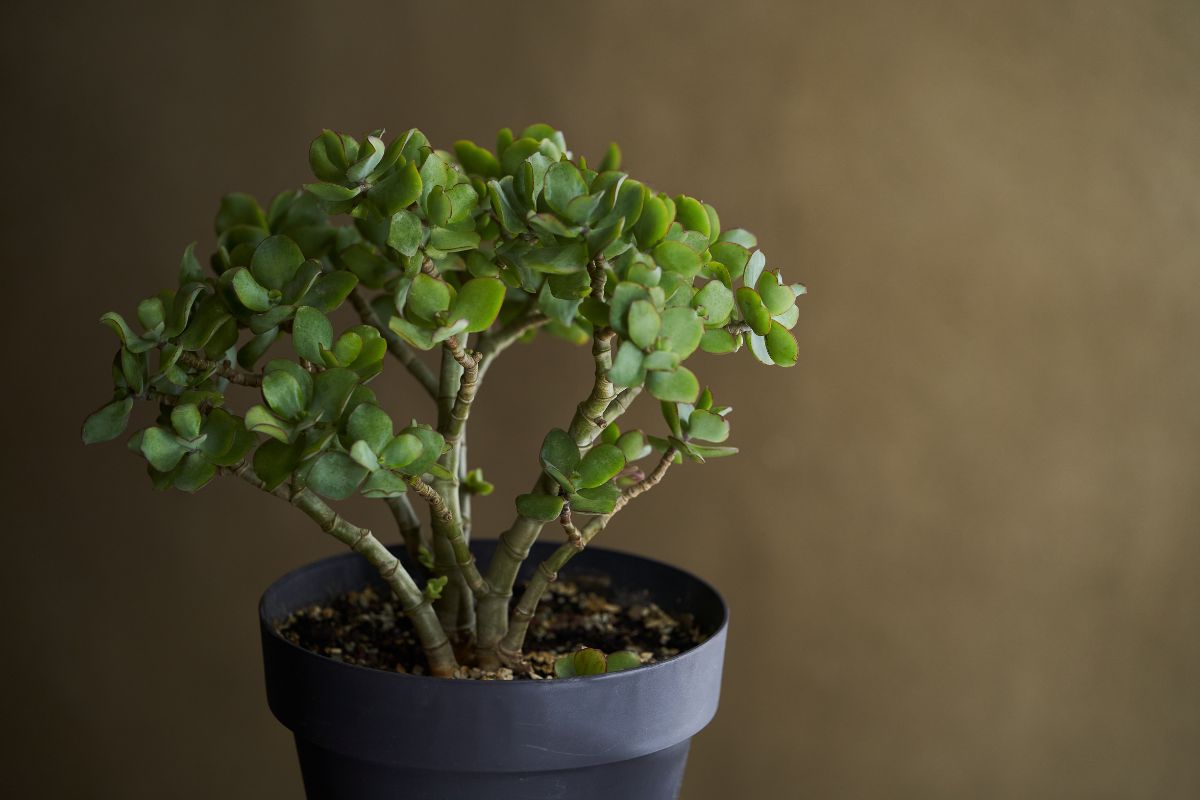
Also known as the jade tree, this succulent is characterized by round, shiny leaves that act as natural reservoirs. It grows slowly but requires very little maintenance. Under favorable conditions it can live for many years and reach a considerable size.
Pothos

Although it does not belong to the succulent family, pothos stands out for its adaptability. It tolerates short periods of drought quite well and continues to grow even in less than ideal conditions. Its decorative leaves make it one of the most popular houseplants.
Spider plant
Chlorophytum comosum is famous for its ease of cultivation. Its fleshy roots accumulate water and nutrients, allowing it to resist better than many other indoor species. It also produces numerous shoots that can be used to obtain new plants.
Beaucarnea recurvata
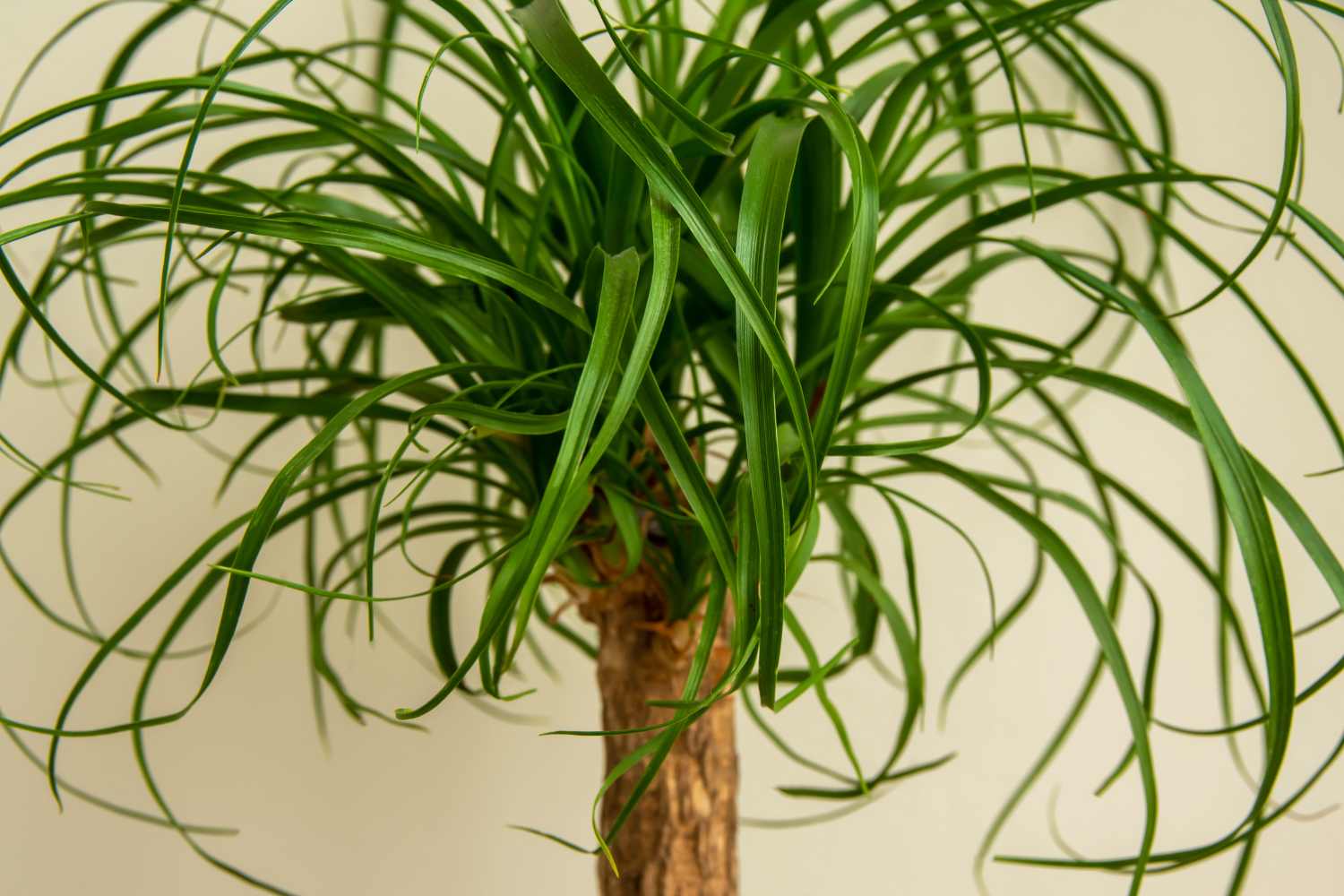
Known as elephant’s foot due to its characteristic swollen trunk at the base, this plant stores large quantities of water and can go for a long time without irrigation. The foliage made up of thin, drooping leaves makes it particularly decorative.
Lavender

Accustomed to the dry climates of the Mediterranean, lavender tolerates water shortages very well. In pots it requires limited watering and gives a fragrant flowering which helps to make domestic environments more welcoming.
Rosemary

In addition to being one of the most used aromatic herbs in the kitchen, rosemary is an extremely resistant plant. It grows well in poor, dry soil and can survive long periods without frequent watering.
Strelitzia
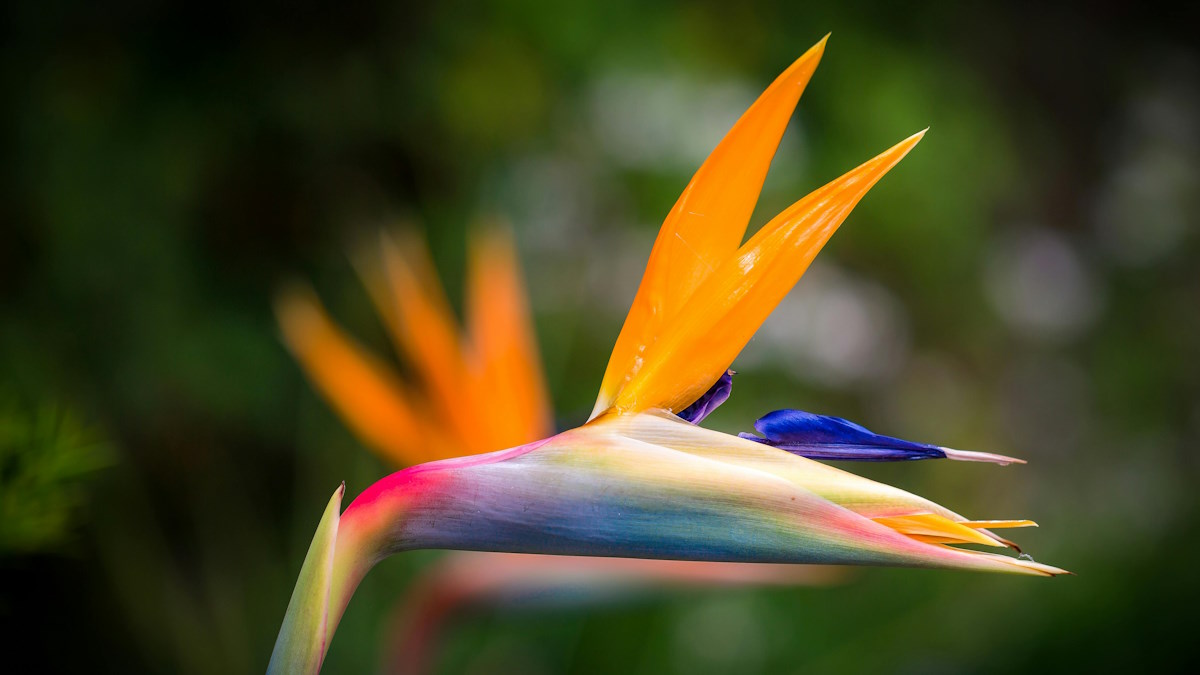
Known as bird of paradise, it is a tropical plant that can still withstand short periods of drought. It requires a lot of light and a bright position, but once stabilized it can easily cope with a few days of the owner’s absence.
Echeveria
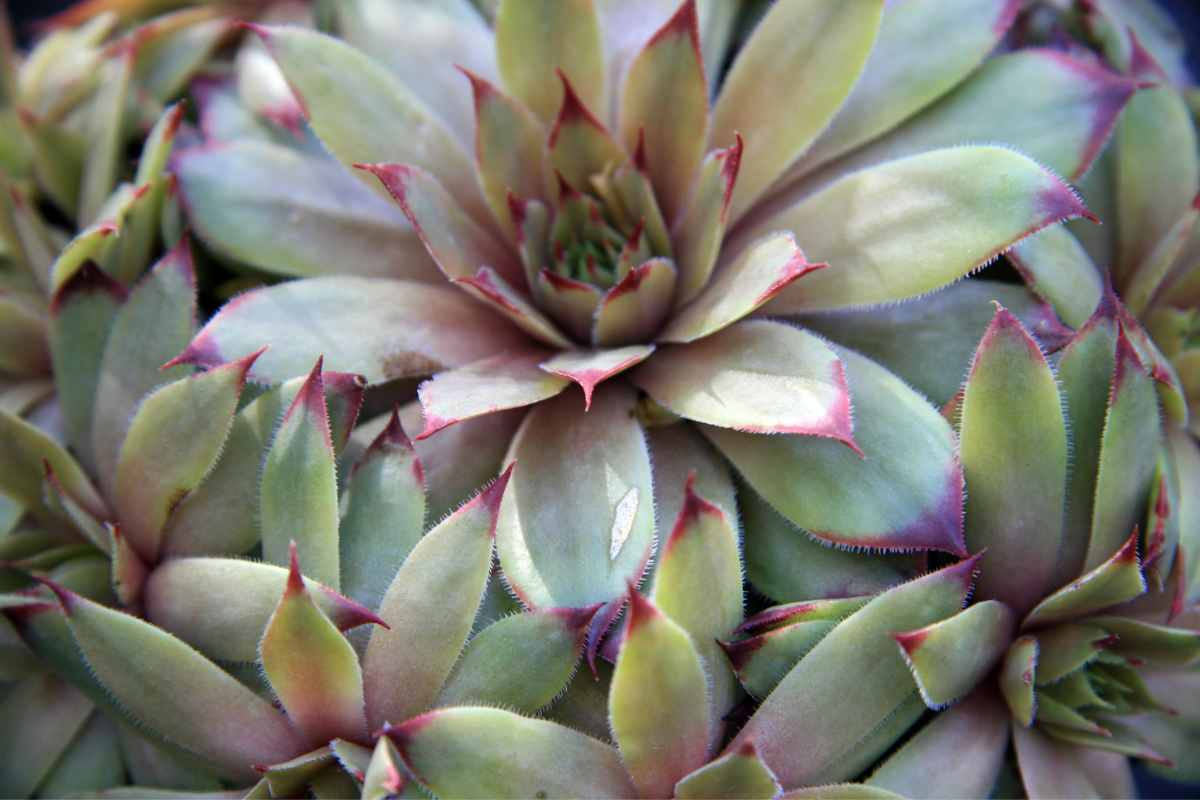
Its geometric rosettes seem almost sculpted. This Mexican succulent stores water in its thick leaves and can go without watering for several weeks. It is ideal for windowsills and small bright spaces.
Haworthia
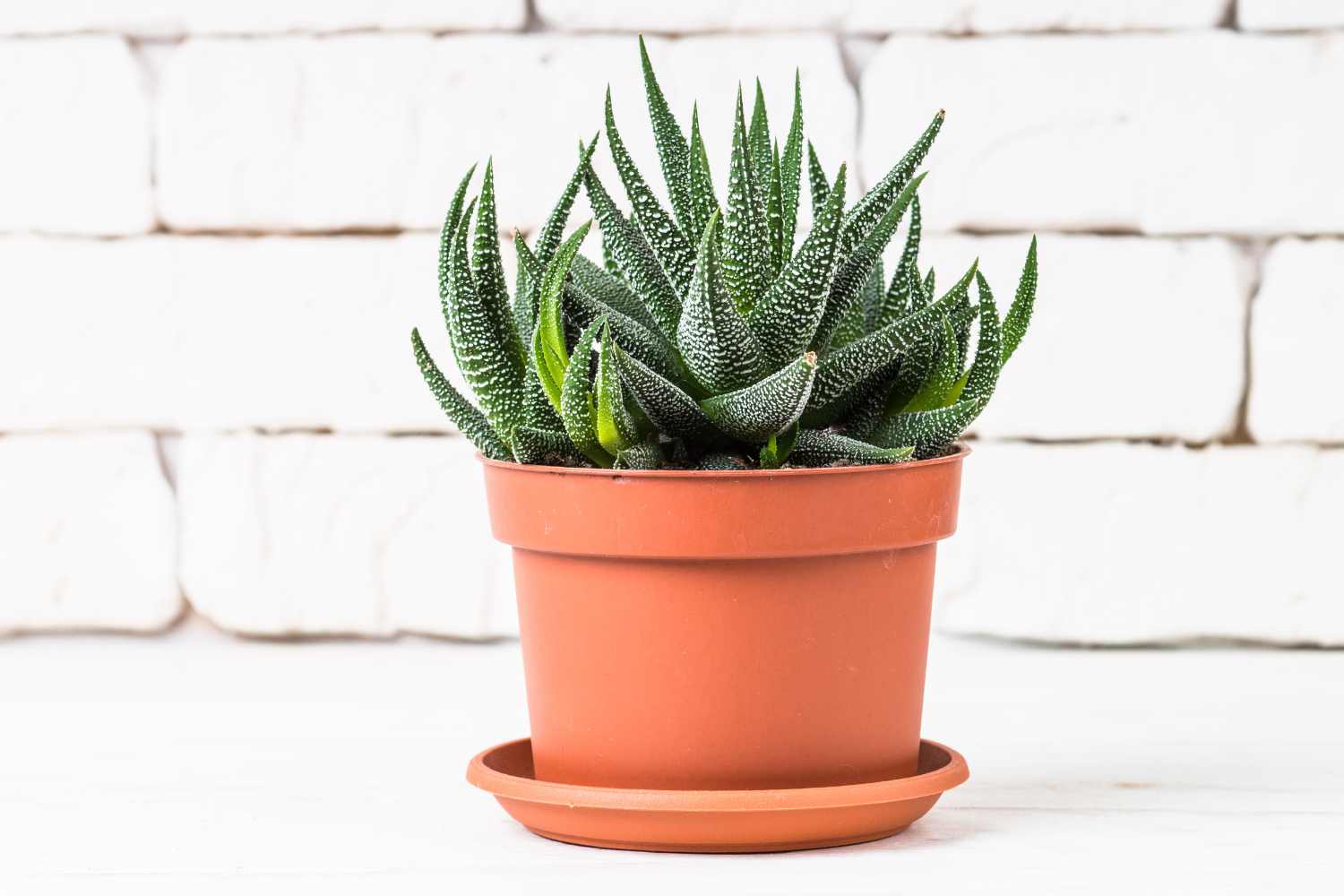
Often confused with aloe, haworthia is a compact plant that requires very little water. It also adapts well to indoor environments with indirect light and represents an ideal solution for those looking for a resistant but space-saving plant.
Kalanchoe
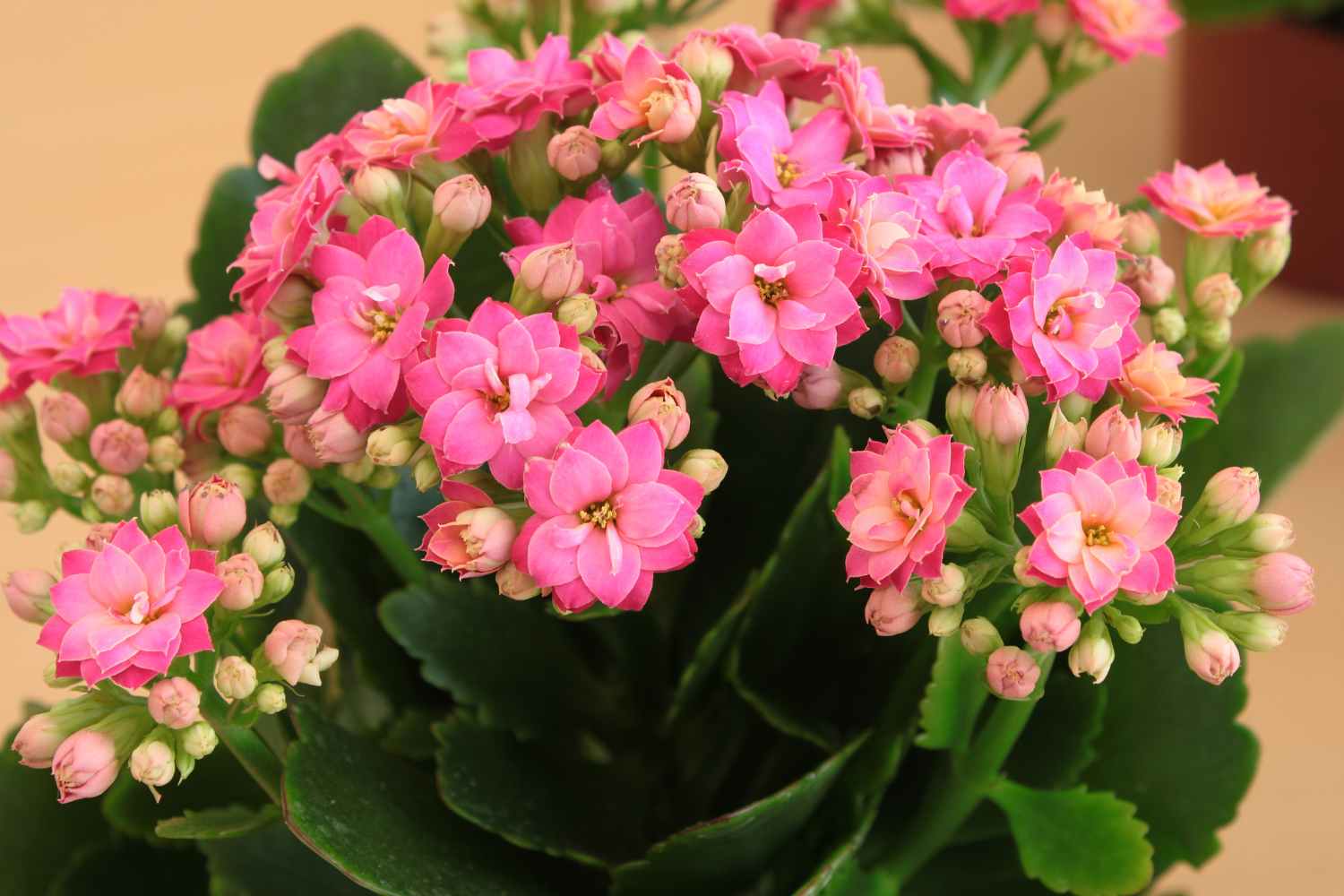
Appreciated for its long flowering and ease of cultivation, the kalanchoe is a succulent that accumulates water in its leaves. It requires little watering and continues to maintain a decorative appearance for most of the year.
Agave

Although it is often grown outdoors, some varieties of agave can be kept in large pots in very bright homes. It is one of the most drought-resistant plants thanks to its ability to conserve water in its fleshy leaves.
Yucca elephantipes

Yucca is an increasingly frequent presence in contemporary apartments. It resists the dry air of heated environments well and does not require frequent watering. Its elegant appearance makes it suitable for living rooms and offices.
Aspidistra
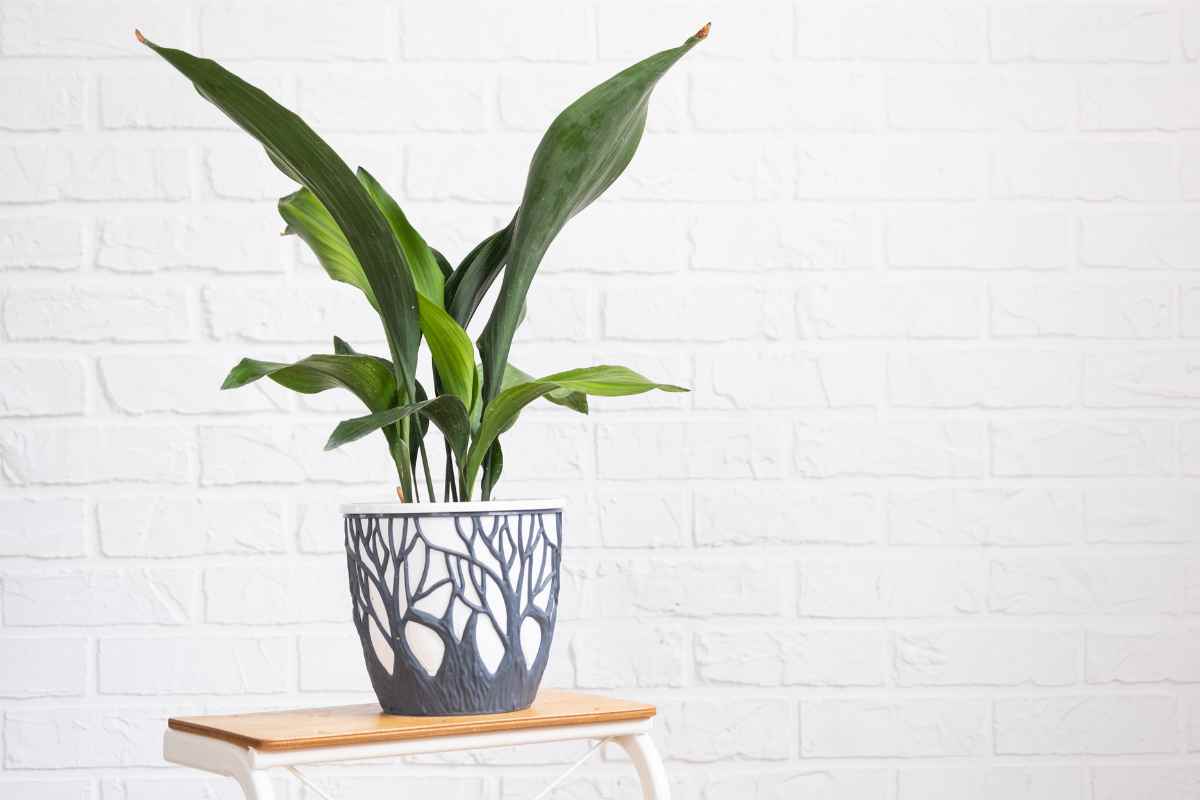
Nicknamed iron plant, aspidistra is famous for its extraordinary resistance. Tolerates shade, dust, temperature variations and periods of poor watering. It is one of the best options for those who want a practically autonomous plant.
Ficus elastica
The large, shiny leaves of the ficus elastica add character to home environments. Although it appreciates regular watering, it can tolerate short periods of drought thanks to the leathery consistency of the leaves and its good ability to adapt.
Pachira aquatica
With its braided trunk and elegant foliage, the pachira has become very popular in interior design. It can withstand a few weeks without water, especially if placed in environments that are not excessively hot.
Sedum morganianum
Also known as donkey’s tail, it is a succulent characterized by long drooping stems covered with fleshy leaves. The ability to store water makes it particularly suitable for those who spend long periods away from home.
Columnar cacti
Cacti are probably the best-known example of drought adaptation. Columnar varieties grown indoors can go without watering for many weeks and require minimal intervention throughout the year.
The plants that suffer most from the absence of water
Not all house species react the same way. In fact, some of the most loved by the public require more attention. Monstera deliciosa, for example, requires regular watering and good environmental humidity. The same goes for ferns, calatheas, marante and fittonia, which tend to quickly show signs of distress when the soil dries out too much.
How to prepare plants before the holidays
Even the most resistant varieties benefit from some precautions before leaving. It is advisable to water abundantly the day before, move the pots away from the windows most exposed to the sun and group the plants in the same area of the house to encourage a more humid microclimate.
However, choosing species that are naturally resistant to drought represents the simplest solution for those who want to surround themselves with greenery without turning plant care into a daily commitment. With the right varieties it is possible to enjoy a home full of greenery even when time for gardening is limited.
