
Houseplants not only add a decorative touch and improve the home atmosphere, but they are also effective in purifying the air, eliminating environmental toxins.
Surprisingly, plants are also an effective solution against dust, as demonstrated by numerous studies highlighting the ability of leaves to capture dust granules optimally.
This unexpected feature is particularly advantageous for maintaining a clean and healthy home environment, especially for allergy sufferers. However, it is important to regularly clean the leaves of the plants to completely remove dust, using a microfibre cloth. Let’s find out what these precious green allies are.
The study
The most cited study on the topic is the NASA Clean Air Studyconducted in 1989 by researcher BC Wolverton in collaboration with NASA and the Associated Landscape Contractors of America. The original goal was to find ways to purify the air in closed space stations, but the results proved applicable to domestic environments as well.
Research has shown that some houseplants can remove up to 87% of airborne toxins in just 24 hours. The compounds analyzed included benzene, formaldehyde, trichlorethylene, xylene and ammonia — substances commonly found in homes, released from paints, furniture, detergents and building materials. The study identified about 50 particularly effective species, many of which coincide with those described in this article.
What are the plants that eliminate dust in the house
Pygmy date palm
The pygmy date palm (Poenix rebelenii) is a small palm with feathery fronds that can trap dust with their fine “hairs”. It also absorbs some harmful gases such as carbon monoxide and formaldehyde. It needs plenty of light, moderate water, regular misting and fertilizing.
Ficus Elastica or rubber plant

The Ficus Elastica or rubber plant is a large plant with shiny leaves that have a waxy coating that attracts dust. It also removes some toxins such as benzene and xylene. It needs a lot of light, water when dry and monthly fertilization and pruning.
Phalanx or Spider Plant
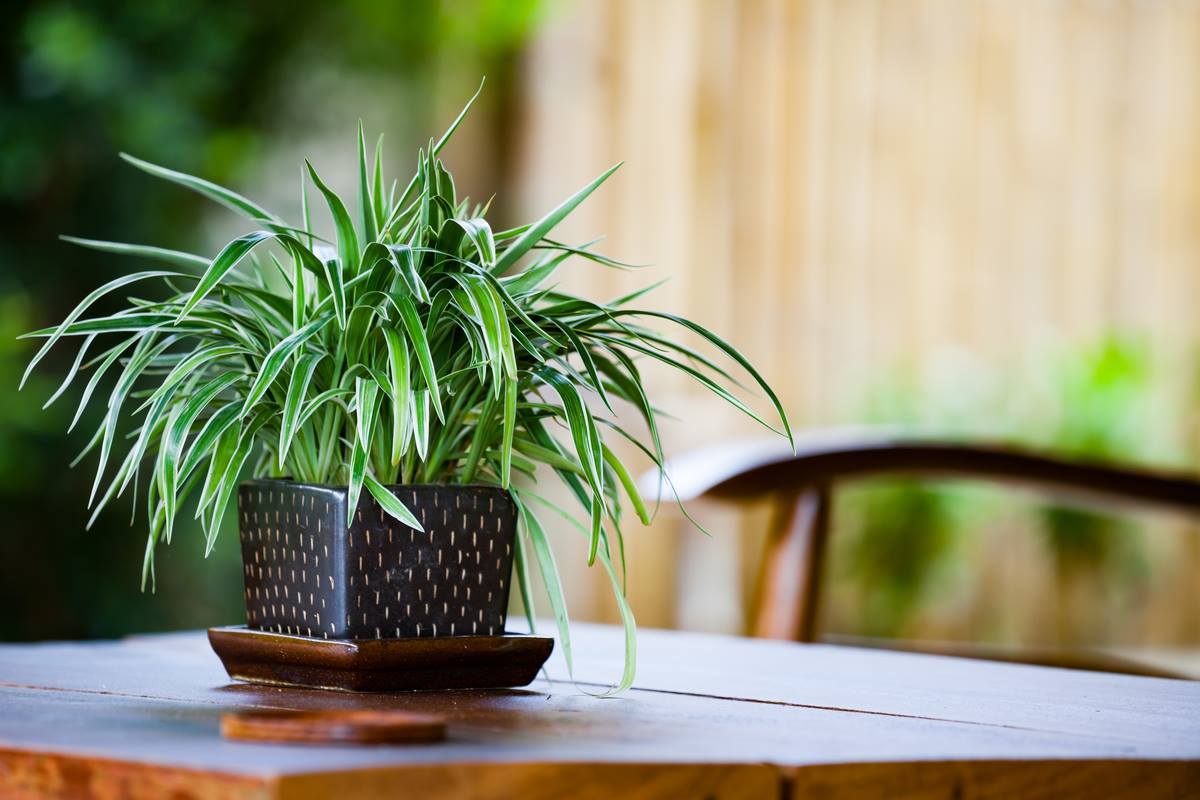
The Phalange has thin leaves with very fine filaments that trap dust. It also eliminates some pollutants such as formaldehyde and carbon monoxide. It also requires a lot of light, moderate water and twice-weekly fertilization and pruning.
Sansevieria or mother-in-law’s tongue

Sansevieria, also known as mother-in-law’s tongue, is an easy to grow and very resistant plant. It is able to absorb toxins in the air, including formaldehyde, benzene and trichlorethylene, and reduce the amount of dust in the environment. Additionally, this plant can produce oxygen even at night, making it a great choice for the bedroom.
Philodendron

Philodendron, a versatile plant, proves extremely useful in beautifying interiors and improving home air quality. Thanks to its ability to eliminate harmful substances and its resistance to various environmental conditions, it represents an ideal choice for creating a healthier and more comfortable environment, especially for those who fight dust. The Philodendron, in fact, excels in capturing dust, offering a valid help in cleaning the home environment.
Ficus Benjamin

The Ficus benjamina, native to Asia and belonging to the Moraceae family, can grow up to 30 meters high in its regions of origin, but at home it usually only reaches 2 meters. It is an easy to care for shrub, adaptable to various environments, even smaller ones, making it a popular choice for decorating home interiors. In addition to its decorative appearance, Ficus benjamina helps keep the air fresh and promotes humidity thanks to its lush foliage. This characteristic makes it an excellent dust catcher, as the dust settles on its leaves.
Pothos

Pothos, belonging to the Araceae family, is a tropical evergreen plant widely used as a houseplant. In addition to its decorative beauty, Pothos has a distinctive feature that not everyone knows: its breathable capacity, which significantly increases the humidity of the environment in which it is placed.
Thanks to this characteristic and its thick foliage, the Pothos is able to effectively capture the grains of dust present in the house. Furthermore, the plant is also able to absorb various toxins from the surrounding air, eliminating compounds such as xylene, carbon monoxide, benzene and formaldehyde, thus helping to maintain a healthier and cleaner environment.
Anthurium

Anthurium, a tropical plant native to South America, not only adds a touch of elegance to spaces with its characteristic bright white or red flowers, but is also an effective air purifier.
Anthuriums are renowned for their ability to neutralize harmful substances such as xylene and ammonia, thus helping to create a healthier and cleaner environment. These qualities make them particularly suitable for completing home interiors, such as kitchens and bathrooms, where air purification is particularly important.
Schefflera

Schefflera, with its glossy, evergreen leaves, is an ideal choice for adding a constant pop of color to homes and offices. But it’s not just a question of aesthetics: Schefflera also plays an important role in filtering the air we breathe, eliminating toxic and harmful substances.
This plant is capable of absorbing various toxins present in the air, including benzene, formaldehyde and toluene. Thanks to these properties, it is particularly suitable for environments where smokers are present, helping to improve air quality and making spaces healthier and more comfortable.
Boston fern
 The fern is one of the most loved plants not only for its simplicity of cultivation, but also for its ability to purify the air in the home. This plant is able to eliminate formaldehyde from the environment, and thanks to its abundant evergreen foliage, it is particularly effective at capturing dust.
Integrating houseplants into your home routine is one of the simplest and most economical ways to improve the quality of the air we breathe every day. Whether you choose the hardy Sansevieria for the bedroom, the Pothos for the living room or the Boston Fern for the bathroom, each plant brings with it a real benefit — not just aesthetic.
If you are a beginner, start with Sansevieria and Pothos: they require little care and give visible results immediately. Just remember to regularly clean the leaves with a damp microfibre cloth so as not to undermine their “dust-catching” work. Nature, after all, is the oldest air purifier that exists.
@greenme_it Fight dust naturally with the right #plants! These 3 plants not only add a touch of greenery to your home, but also help capture dust in the air. Breathe better and enjoy a cleaner environment
Do you know any others? Write them in the comments! . . . #housecleaning #dust #learncontiktok #thingsyoudon’tknow #indoorplants
♬ original sound – greenMe
You might also be interested in:
