
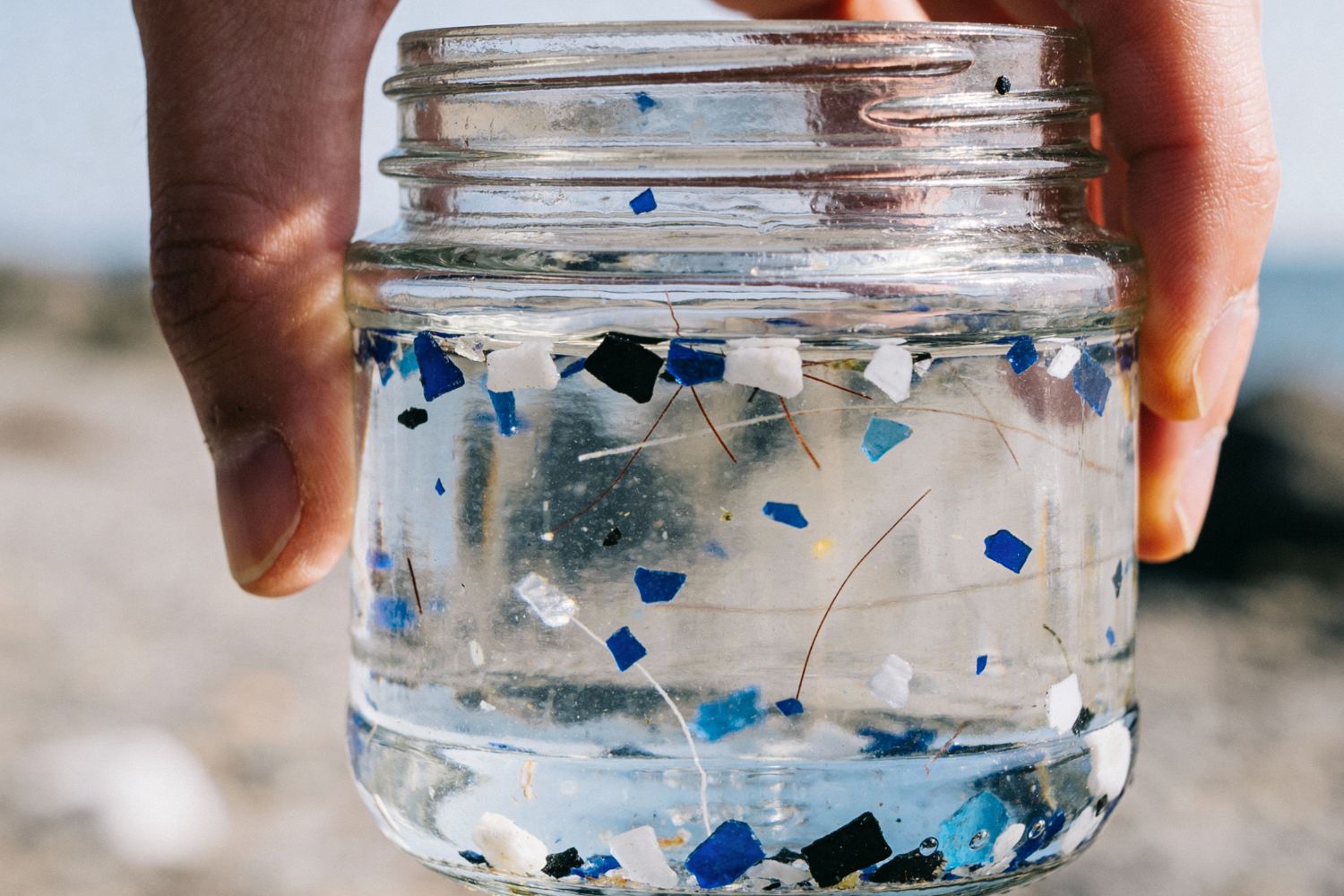
They are now in all environments, including deep ocean waters, freshwater sources, the atmosphere, soil, Arctic ice, and even in the human body. Microplastics, those tiny plastic particles less than 5 mm in size, are more widespread than you think and it is now clear that they represent a significant threat to the environment.
They carry toxins that are ingested by living organisms, including humans, causing various diseases, disrupting ecosystems, endangering aquatic life and reducing soil fertility. But how much do we know about their impact on marine ecosystems?
A study just published in the Journal of Hazardous Materials: Plastics tries to understand this, according to which microplastics alter natural carbon sequestration in marine ecosystems by influencing phytoplankton and zooplankton, key agents of the carbon cycle.
The study
Microplastics are widely recognized as pollutants, but the study shows that they also interfere with the ocean’s ability to absorb carbon dioxide.
Microplastics disturb marine life, weaken the ‘biological carbon pump’ and even release greenhouse gases as they degrade – explains Ihsanullah Obaidullah, associate professor of integrated water processing technologies at the University of Sharjah and corresponding author of the study. Over time, these changes could lead to ocean warming, acidification and biodiversity loss, threatening food security and coastal communities around the world.
Biological carbon pumping – the process that transfers carbon from the atmosphere to deep sea layers – is the main mechanism linking microplastics to global warming and climate change, according to the study. Microplastics interfere with this process by reducing phytoplankton photosynthesis and impairing zooplankton metabolism, the authors note.
The oceans are Earth’s largest carbon sink, but microplastics are undermining this natural shield against climate change.
Over 10 million tons of plastic waste enters the oceans every year, with 99% mostly made up of fibers from fabrics and clothing that sink to the ocean depths. Microplastics alone can be toxic to deep-sea life, but they can also transfer other harmful pollutants such as PFAS and heavy metals, making them an environmental ‘multistressor’ that can affect the entire food chain.
The impact of (microplastics) on ocean health, particularly regarding potential ocean warming and acidification, remains an area of concern; However, the existing literature has significant gaps in methodologies for calculating or predicting these impacts, highlighting important avenues for future research, the study concludes.
