
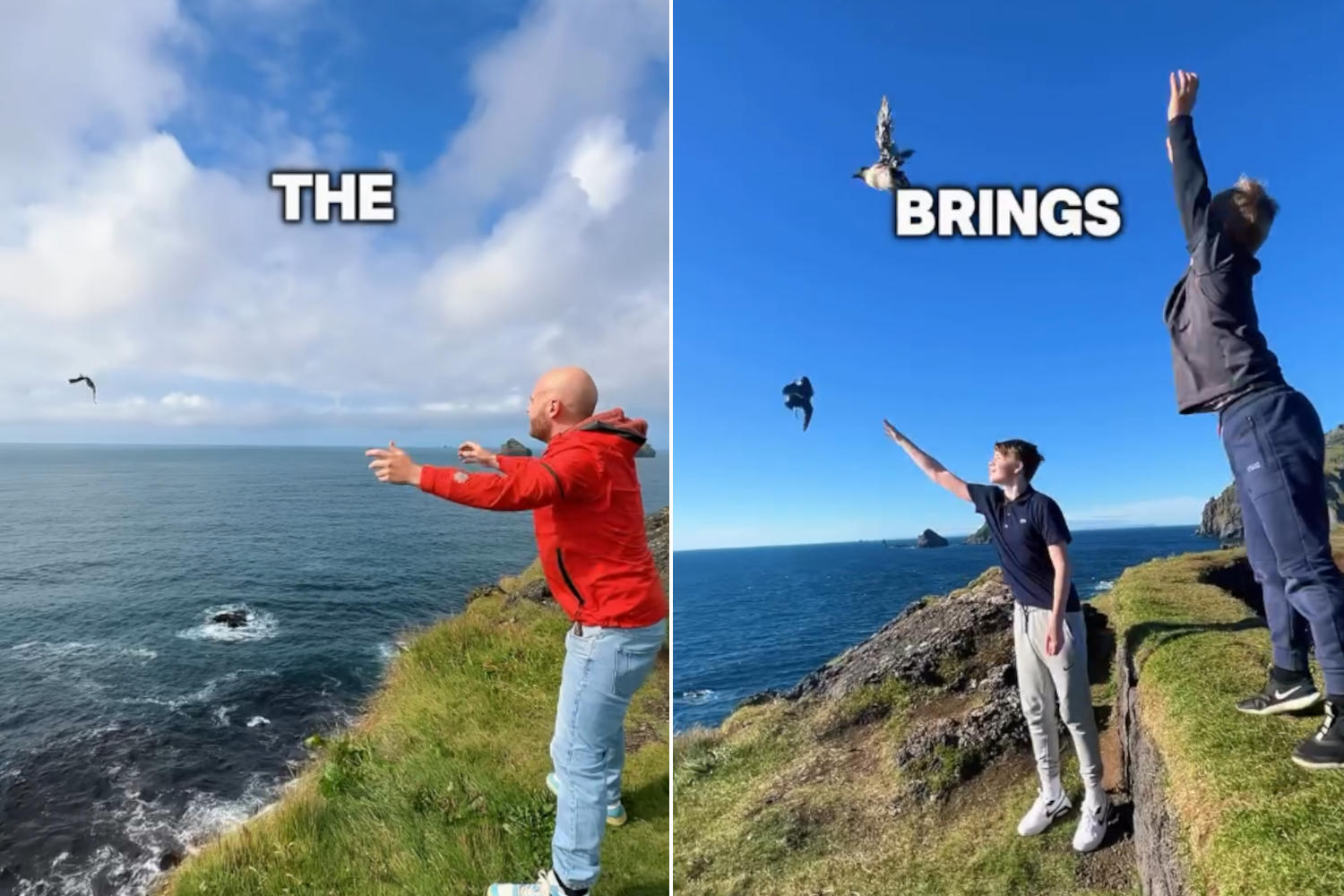
Every end of summer in Iceland the Puffling Season kicks off, a period in which local families take care of young seaside pulcinella. These birds, once ready for their first flight, can be easily disoriented by the artificial lights of the cities.
View this post on Instagram
The result? Small pulcinella that end up in the streets or in ports, exposed to numerous dangers, from predators to cars. The Icelandic community, very close to these birds, has developed a tradition to help them reach the sea safely.
The phenomenon is particularly evident on the Vestmann islands, which host the largest European colony of sea pulcinella. Here the nests are found on high cliffs overlooking the sea, safe places and difficult to access to the predators. When the young birds reach the moment of the hell, they normally launch into the void at night, following the light of the moon reflected on the sea. However, with the increase in artificial lighting, many get lost and end up on the ground.
And it’s off! A Puffling Experiencing The Power of Flight For the First Time As It Flexes Off the Isle of May pic.twitter.com/jdjgtgl5nw
– David Steel (@Steelyseabirder) July 23, 2025
The famous “pulcinella launch”
To avoid the loss of these small birds, teams of rescuers and entire families collect young pulcinella from the ground. The birds are then kept until the next morning and brought to the south side of the island, a safe place where adults and young people coexist.
Here takes place the traditional launch from the cliffs. Adults and children participate with enthusiasm, giving the Pulcinella a small “push” that allows them to start the first flight in the direction of the sea. Although it may appear unruetive, this gesture is fundamental: the pulcinella immediately begin to slam the wings and head towards the open ocean, just as they would do if they launched spontaneously from the nests.
Tradition allows you to save many young disoriented birds, guaranteeing them the opportunity to grow safely and start their lives at sea. Puffling Season thus represents not only a cultural rite, but also a real act of protection and care towards local fauna.
Now Why would the Second Guy Throw The Bird Like That
Good Ole Puffling Season pic.twitter.com/lnctsw6br2
– Crocodile Cam
(@Crocodilecam) Octaber 28, 2024

Don’t you want to lose our news?
You may also be interested in:
