
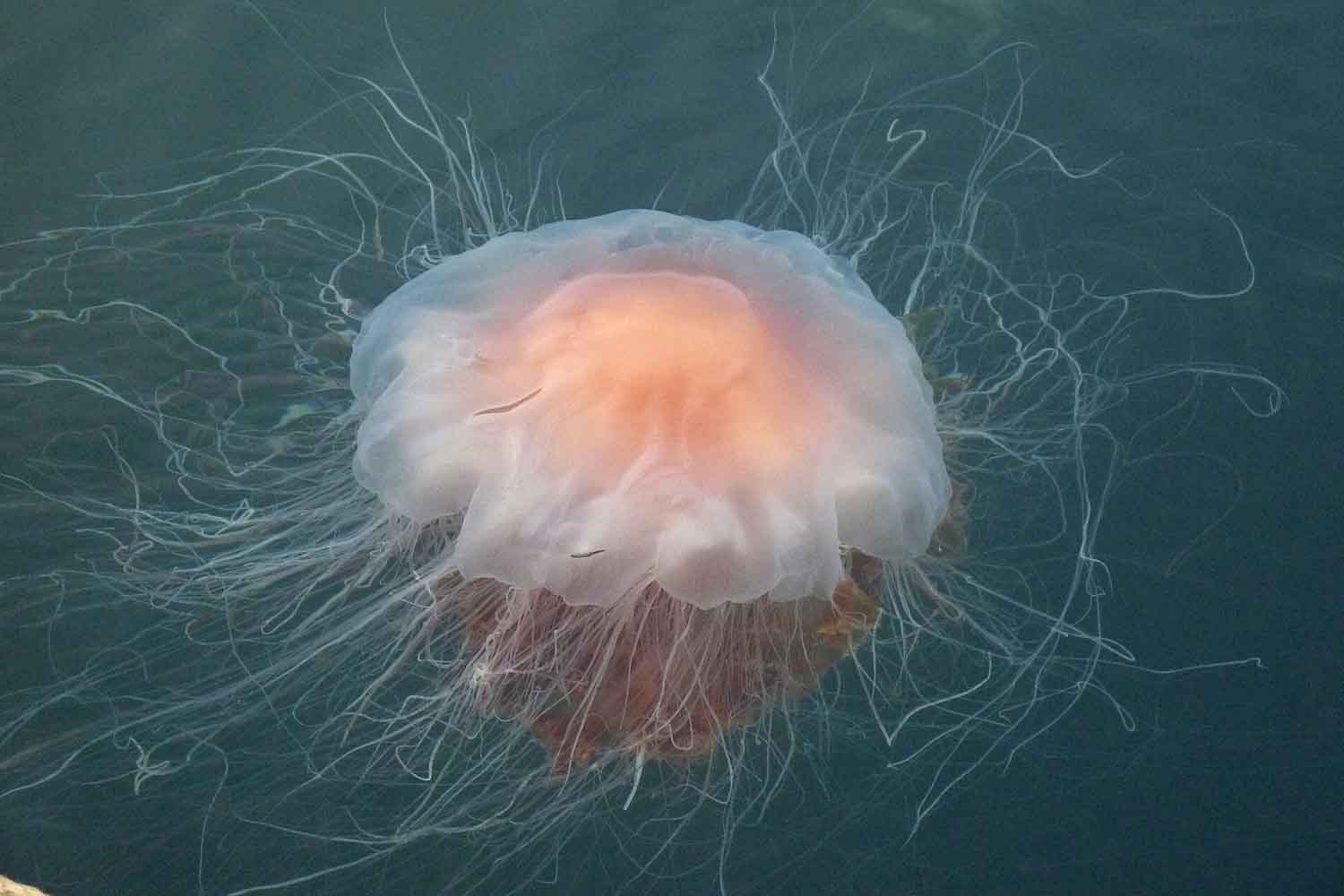
On the coast of Cape Cod the alarm signal floats: a large reddish umbrella, under which drags a mass of tentacles that are much more difficult to see. Lion’s mane jellyfish ( Cyanea capillata ) are appearing in unusually high numbers in Massachusetts waters and beaches. It is the largest known jellyfish species in the world with a diameter about one meter long and tentacles over 30 meters long.
The first reports for 2026 came in May. By mid-June, according to the Sandwich Marina – Sandwich Harbormaster, exceptionally high densities had been observed off Cape Cod. A similar episode also occurred in 2020.
There Cyanea capillata it normally lives in the cold waters of the Atlantic, the North Pacific and the Arctic. Seeing it in New England during late spring and summer, therefore, is no surprise. Finding so many near the shore, however, is forcing lifeguards and port authorities to multiply warnings.
A jellyfish as long as a tram (or two buses)
Lion’s mane takes its name from the crown of tentacles that surrounds the umbrella and falls into the water like hair that is very unconditionable. The color varies from yellow-orange to dark red and tends to become more intense with growth.
The Smithsonian Ocean indicates it as the largest of the jellyfish species: the largest known specimen measured a total of approximately 36.5 meters from the top of the umbrella to the tip of the tentacles. The Monterey Bay Aquarium reports filaments capable of exceeding 30.5 meters, over two city buses lined up. The most impressive individuals develop especially in the icy Arctic waters.
The visible part can be deceiving. The umbrella appears at a certain distance from the swimmer, while the tentacles continue for meters below the surface, thin and almost transparent. Crossing them without having seen the jellyfish is therefore much easier than its size suggests.
Those filaments are used to capture zooplankton, small fish, crustaceans and other jellyfish. They are covered in stinging cells that release venom upon contact, immobilizing prey and giving swimmers an experience that is unlikely to be among their best holiday memories.
Why did they come so close to the coast
Jellyfish can move by contracting the umbrella, but much of their movement depends on the water that transports them. Currents, tides and wind can bring together many specimens in bays, ports and stretches of coast, suddenly making a presence offshore evident.
The Sandwich Harbor Master’s Office also lists water temperatures and food availability as factors that may have contributed to the increase. These are plausible elements, yet insufficient to attribute the episode to a specific cause. Jellyfish populations can fluctuate quite a bit from year to year and respond to a combination of environmental conditions, currents and reproductive cycles.
However, the proximity to the beach makes the phenomenon much more visible and increases the possibility of contact. By late June, some swimmers had already been stung in South Boston, where access to a stretch of beach had been temporarily restricted. The sightings then extended along much of the Massachusetts coast, up to the bays and ports of Cape Cod.
The tentacles also sting on sand
The sting of the lion’s mane jellyfish generally causes pain, burning, redness and irritation of the skin. More serious reactions are less frequent and documented fatal cases are few, but the extent of contact and individual sensitivity can make a considerable difference.
Stranded specimens should also be avoided. The stinging cells can continue to function after the jellyfish lands on the sand, and the same goes for tentacle fragments detached from the body. Touching them with a hand, a foot or the ever-present Sunday explorer’s stick remains a bad idea.
The indications released by the Sandwich Harbor Office include, in the event of a sting, rinsing the area with hot water and carefully removing the tentacles using tweezers, without grasping them with bare hands. Sightings near beaches must be reported to lifeguards; extensive symptoms or difficulty breathing require immediate healthcare.
The largest jellyfish in the world has therefore not conquered Cape Cod: it already lives in those waters. This year currents and marine conditions have brought it under the eyes – and sometimes on the skin – of many more people. Admiring it from afar remains the best way to appreciate its dimensions. Thirty meters of tentacles is already a pretty convincing distance.
