
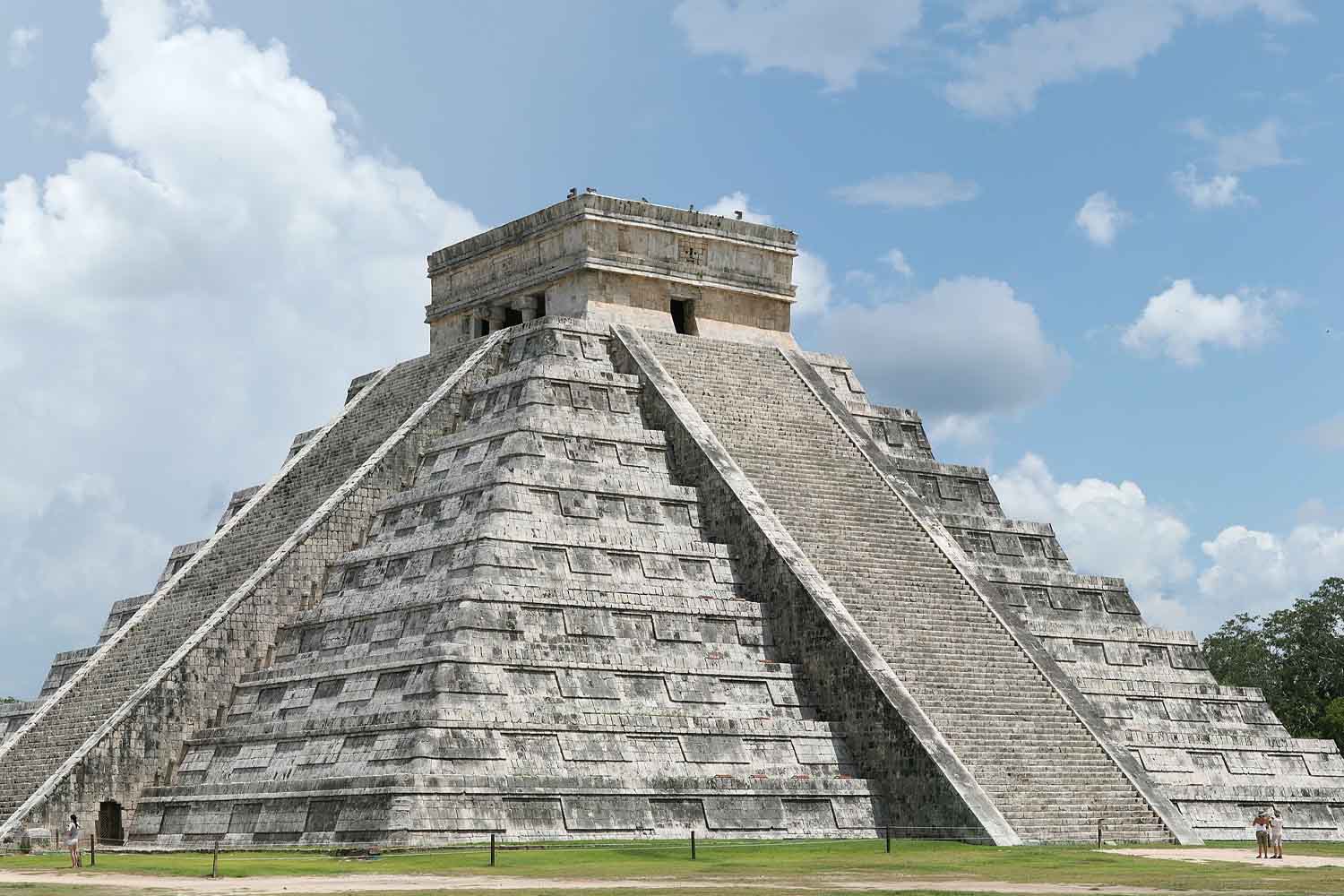
Why do people decide to live in the city and, one day, move back? A question that today seems linked to traffic, the price of rent, smog or the desire to breathe some clean air. But no: that push and pull between urban life and rural life has its roots much further back, to the first agricultural societies. A story that concerns us, even if it began more than a thousand years ago.
This is the hypothesis put forward by a group of researchers who analyzed the large centers of the Classic Mayabringing together climate data, economic models and traces of conflicts. A surprising picture emerged, which dismantles the old “all drought and famine” explanation and recounts a much more complex, almost familiar process: that of city that attracts you and repels you at the same time.
A new way of reading the urban collapse of the Maya
To understand the Maya urban collapseUC Santa Barbara scholars, led by archaeologist Douglas Kennett, chose a novel approach. They treated ancient cities as living organisms, influenced by climate, resources, political rivalries, and even those “economies of scale” that make urban life profitable… at least while it lasts.
According to Kennett, Mayan cities did not expand because urban life was more comfortable, on the contrary, it was more expensive, more crowded, more risky from a health point of view. So why did entire populations of farmers decide to move to monumental centers?
For a mix of reasons: periods of drought to face together, the presence of agricultural infrastructures that really worked, political systems that promised protection (and demanded obedience), and that dynamic that is as human as it is eternal between those in command and those who hope to benefit from it.
The most interesting point, however, comes when the model built by the researchers is overturned. The cities were not abandoned in the worst moments, as they have always told us, but when the climate began to improve.
An apparent contradiction that actually says a lot: if living in the city no longer brought advantages, and the countryside once again became a place to breathe, produce food and feel free, the call of rural life became irresistible. A dynamic that we find today in the new flows towards the villages, in escapes from overly expensive metropolises and in the idea, more concrete than romantic, that one can live better elsewhere.
When the present resembles the past
The strength of this study does not only lie in having brought order between theories that have been at war for years, between those who pointed the finger at the climate, those against conflicts, those against the economy. It lies in making a simple truth clear to us: the city they are delicate systems, which work as long as they manage to give more than they ask for.
In the case of the Maya, that fragile balance was broken when the resources around the urban centers ran out, while the possibility of starting from scratch returned to the countryside. The inhabitants chose freedom, leaving behind temples, squares and structures that today we look at as wonders. But that, by then, they could no longer sustain their lives.
Thus, as we observe our cities growing or emptying, between climate crises and small daily revolutions, the history of the Maya reminds us that nothing lasts by chance and nothing collapses for a single reason. It is always a sum of pressures, choices, fears and possibilities. A human, eternal mosaic that crosses time.
