
A very widespread bad habit
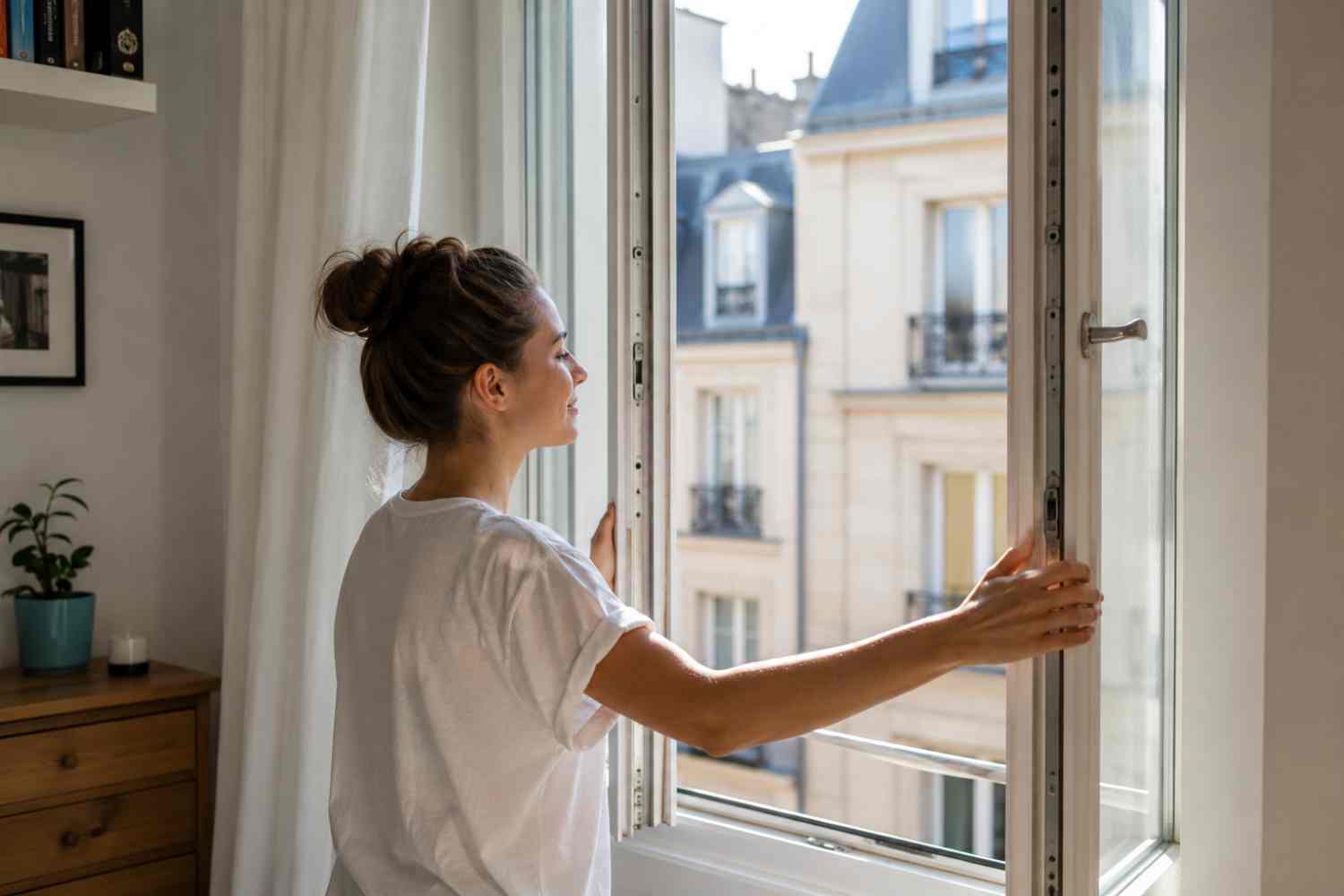
When temperatures rise and the heat becomes suffocating, many people’s first instinct is to throw open doors and windows to seek some relief. It seems like a logical choice: the more air enters the house, the more the room should cool down. Yet, in most cases, this is precisely the great mistake that contributes to transforming homes into real greenhouses.
During the hottest summer days, opening the windows at the wrong hours not only does not help to cool the rooms, but can actually significantly increase the internal temperature. A deep-rooted belief that continues to be fueled by the idea that the movement of air is always synonymous with freshness.
When the outside air is warmer
The principle is very simple. If it is 36 degrees outside and 28 degrees inside the house, opening the windows means allowing warmer air to enter and replace the cooler air present in the internal environments.
In these conditions natural ventilation does not cool at all. On the contrary, it introduces heat inside the home and forces walls, floors, furniture and fabrics to accumulate thermal energy which will continue to release heat even in the following hours.
Many people interpret the sensation of the wind on their face as a drop in temperature. In reality it is only a temporary perception due to the evaporation of sweat. The air entering the house may be pleasant for a few minutes, but in the long term it contributes to overheating the rooms.
The hours to avoid
The most frequent mistake is to open the windows between late morning and late afternoon, that is, precisely when the sun and temperatures reach their highest levels.
As a guide, on the hottest summer days, the windows should remain closed between 10am and 7pm, especially if the home is exposed directly to the sun.
Of course, times may vary depending on the geographical area, altitude and weather conditions, but the general rule remains valid: when it is hotter outside than inside, opening the windows makes the situation worse.
The right time to air out
To encourage real cooling of the rooms, you need to take advantage of the coolest hours of the day.
Early morning, shortly after sunrise, and late evening are generally the best times to create effective air exchange. In these time slots the external temperature is often lower than the internal one and allows the heat accumulated during the day to be eliminated.
The ideal is to open several windows at the same time to create a natural air flow that passes through the entire house. This system allows you to quickly renew the air without giving the internal surfaces time to heat up again.
Also pay attention to the shutters
Another very common mistake is leaving the windows open with the shutters fully raised. In this way not only warm air enters, but also direct solar radiation.
The sun’s rays hitting windows, floors and furniture can significantly increase the internal temperature. It is the so-called domestic greenhouse effect, the same principle that allows agricultural greenhouses to retain heat.
During the hottest hours it is therefore advisable to keep shutters, roller shutters or external curtains closed, especially in rooms facing south and west. Blocking the sun before it reaches the glass is one of the most effective ways to limit overheating.
The role of humidity
Heat isn’t the only factor to consider. Humidity also plays a fundamental role in the perception of well-being.
In many locations, especially along the coasts or in flat areas, the summer air is particularly humid. Opening windows in the middle of the day can therefore let in not only heat, but also a greater amount of humidity.
This makes environments more muggy and increases the discomfort perceived by people. A home with a moderate temperature but high humidity can be much less comfortable than a slightly warmer but dry environment.
How to keep your house cool
To reduce the heat naturally there are some simple but effective tricks.
First of all, it is useful to limit the use of appliances that produce heat, such as ovens, dryers and irons, during the hottest hours of the day. Computers, televisions and traditional lighting also contribute, albeit to a lesser extent, to the increase in internal temperature.
The use of fans can help improve the feeling of comfort without excessively impacting energy consumption. However, it is good to remember that the fan does not cool the air: it simply moves it, encouraging the evaporation of sweat.
The use of light fabrics for curtains and bed linen can also help make staying in your home during the summer more pleasant.
The myth of refreshing air
The idea that simply opening a window can lower the temperature of the house is one of the most resistant myths linked to the summer season. In reality physics tells a different story.
The air naturally moves from areas of higher pressure to those of lower pressure, but cooling depends above all on the temperature difference. If the air entering is warmer than that present in the rooms, the result will inevitably be an increase in internal heat.
For this reason, traditional homes in Mediterranean countries were designed to protect themselves from the sun and keep cool for as long as possible, with thick walls, shutters and shaded courtyards.
A choice that saves energy
Avoiding opening windows during the hottest hours is not just a question of comfort. It can also have positive effects on energy consumption.
Keeping rooms cooler during the day reduces the need to use fans and air conditioners, resulting in savings on the electricity bill and a reduction in emissions associated with energy production.
An apparently banal gesture such as choosing the right time to open the windows can therefore be transformed into an effective strategy to deal with heat waves in a more sustainable way.
The rule to remember
The next time the thermometer rises above 35 degrees, it’s worth remembering a simple rule: windows should be opened when it’s cooler outside than inside, not when the heat is at its highest.
Closing them during the hottest hours and instead taking advantage of the coolness of the morning and evening can make a surprising difference. A small change in daily habits that allows you to keep your home more liveable, reduce energy consumption and face the summer with greater comfort.
