
The new Rai 1 fiction, The other inspectorwhich debuts this evening, marks a significant moment for public television: a narrative that focuses on the issue of safety at work, too often confined to the news pages and rarely explored with the necessary attention.
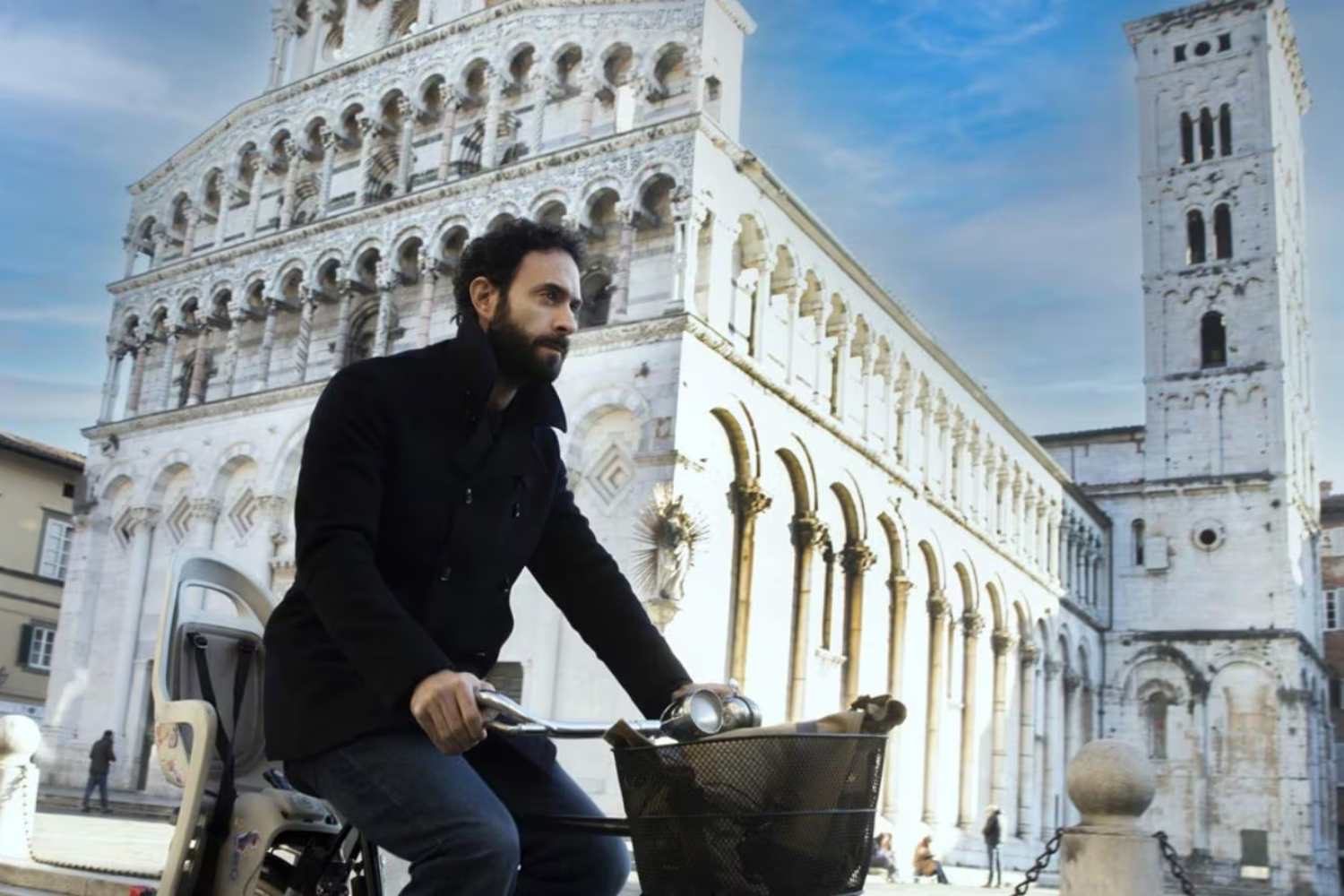
Paola Randi’s direction and the writing of an expert team bring to the stage the work of labor inspector Domenico known as Mimmo Dodaro, played by Alessio Vassallo, a professional who does not investigate with weapons or spectacular methods, but through intelligence, empathy and competence. The series is freely based on the novels of Pasquale Sgrò who has already told stories of work, responsibility and social justice with his works, and collaborates as a consultant on the project.
The fiction was born from the need to talk about a topic that continues to represent an emergency in Italy: every year hundreds of people lose their lives while working, victims of unsafe machinery, flawed procedures, unsustainable pace or culpably ignored responsibilities. Precisely to ensure that these events are no longer ignored, each episode of The other inspector will bring to TV cases freely inspired by true events.
View this post on Instagram
The first episode dedicated to Luana D’Orazio: a wound still open
The inaugural episode is dedicated to Luana D’Orazio, a young 22-year-old worker who died on 3 May 2021 in a textile company in Montemurlo, in the province of Prato. A tragedy that marked Italy and which still today represents one of the most emblematic stories of what it means to die while working.
Luana was killed by the warping machine she was using: a machine which, according to judicial reconstructions, should not have been accessible in those conditions. His death opened a profound discussion on the need for more rigorous controls, adequate training, shared responsibilities and a culture of safety as a fundamental right, not as an option or a cost to be contained.
The fiction chooses to tell this story with respect and delicacy, putting at the center not only the dynamics of the accident, but above all the humanity of the girl and the pain of her family, starting with her mother Emma Marrazzo, who over the years has become one of the strongest voices in the battle against deaths at work. In this narrative choice there is the intention of restoring dignity to the victims, remembering that behind every number there is a life interrupted.
Luana D’Orazio: plea agreement accepted by the owners of the textile company where the young worker died
A different inspector, for a story that puts people at the centre
The protagonist of the series, Mimmo Dodaro, is an inspector without a gun, a man who works by listening, observing and reconstructing facts with method and sensitivity. Acting alongside him are figures who enrich the story: his friend Alessandro, played by Cesare Bocci, who survived an accident at work; the public prosecutor Raffaella Pacini, played by Francesca Inaudi; and little Mimì, a presence that gives tenderness and emotional depth.
The choice to set the series in the medieval alleys of Lucca, in a landscape where the present and past continually touch each other and uses the medieval alleys and the Tuscan countryside as an ideal setting to deal with stories inspired by real events, showing a human, impartial and respectful approach towards the victims and their families.
View this post on Instagram
Deaths at work: an urgency that can no longer be ignored
The other inspector it doesn’t just want to entertain: it wants to remind us of a real, constant, often underestimated problem. Deaths at work are not fatalities, but in most cases the result of wrong choices, negligence and lack of prevention. Fiction therefore aims to stimulate collective reflection: work must be a place of growth and autonomy, not an environment in which to risk one’s life. The story of Luana and many other victims still calls for justice and change.
You might also be interested in:
