
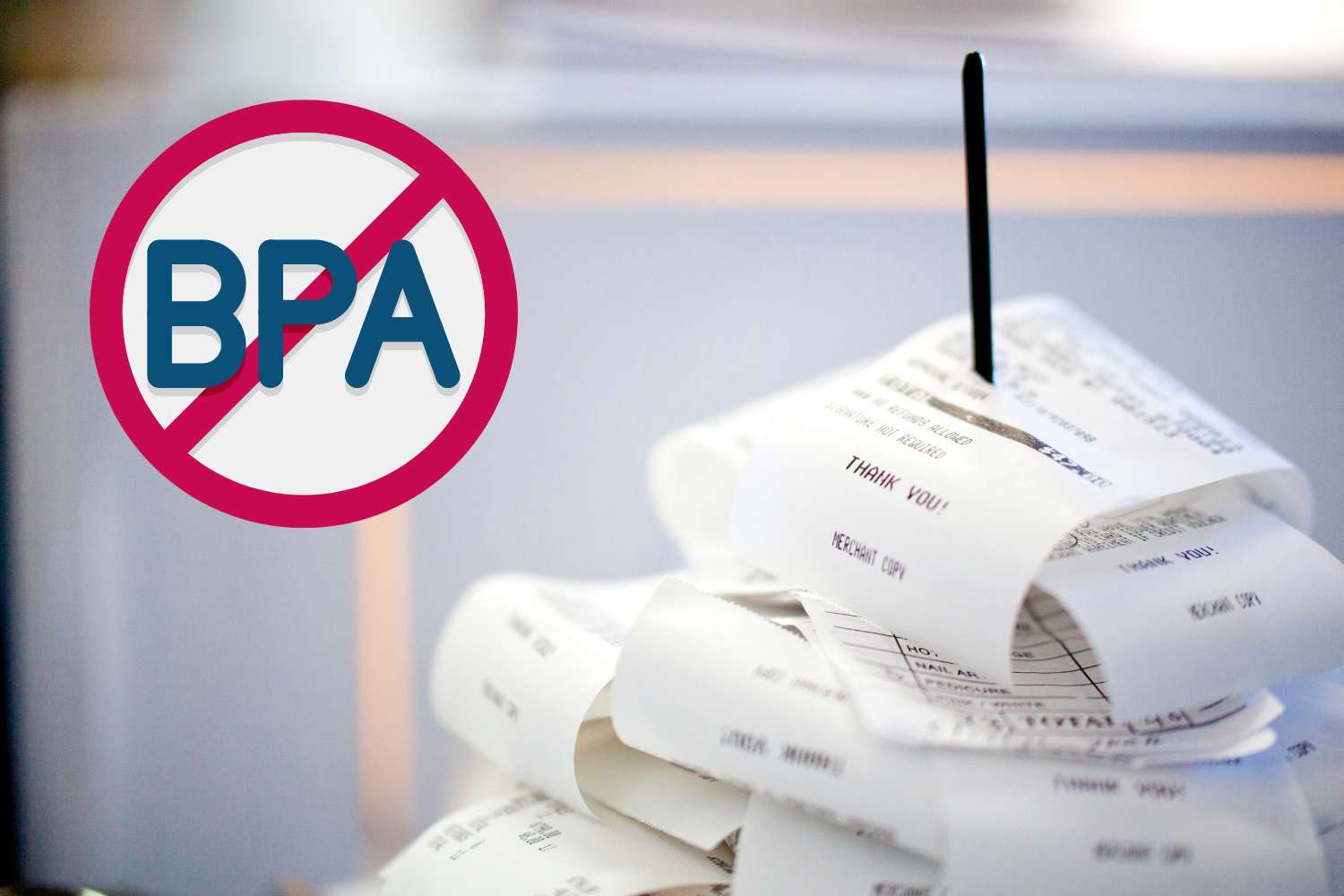
Since 2020 Bisfenol A (BPA) has been prohibited in the receipts, but is replaced by another equally dangerous bisphenol. However, a safer solution already exists
Since 2020 Bisfenol A (BPA) has been prohibited in the receipt thermal cardbut this has not solved the problem of the toxic substances that we handle daily by contacting the receipts: in fact, in its place, the bisfenol S (BPS) is often used, which has similar risks for health and the environment.
However, a safer solution already exists and is represented by the blue receipts, which use a bisphenol -free technology. But how to recognize them and why are they better?
The problem of bisphenols in the receipts
The receipts and other documents printed on thermal paper (parking tickets, adhesive labels, receipts, etc.) often contain chemicals used to develop black writing in contact with heat. For years, the main agent employed has been the BPA, a substance recognized as a toxic for reproduction and endocrine interfering, capable of entering our body simply by touching the card or coming into contact with food.
Experts of the German consumers magazine write ÖKO-TEST:
If thermal paper with Bispenoli is produced, enormous quantities remain on paper. These bisphenols can then enter the food or body directly from the receipt, for example when the receipt ends up on the lettuce in the basket after making the shopping on the market. Or when children are given a ticket to play and then they put their fingers in the mouth. The BPA is considered harmful even in extremely small quantities, which can accumulate quickly.
It should be specified then that even if the ban on the BPA in the thermal paper has been in force for four years, this substance continues to be present in recycled paper. According to Thomas Simat, professor of food chemistry at Tu of Dresden, the average concentration in recycled paper is still around 1 milligram per kilo.
Although this does not represent a significant problem for the packaging of dry foods such as rice or pasta, the risk increases when the material comes into contact with humid or fat foods, facilitating the transfer of chemical.
As for the receipts, despite the ban imposed for years now, The problem was not solved but only changed its name: The BPA was in fact replaced with the BPSwhich, according to recent studies such as that of the Technische Universität (you) of Dresden, has comparable risks. It was in fact classified as a toxic for reproduction and, like the BPA, falls within the “extremely worrying substances” (SVHC) According to the European Regulation on Reach chemicals.
However, the solution already exists.
What are blue receipts
Blue receipts are a type of receipt printed on bisphenol -free thermal paper. Instead of using BPA or BPS, these receipts work with an already pigmented black card and covered with a special polymer, which allows the writing to appear when exposed to heat. This method completely eliminates the use of bishopnotoli and makes the receipts safer both for those who handle them and the environment.
Unlike traditional receipts, which are of a bright white, the blue receipts have a gray-bluish color. This characteristic aspect helps consumers to identify them easily, even if there is currently no labeling obligation to distinguish them from those containing bisphenols.
In summary, the blue receipts are better because:
How to properly dispose of receipts
Finally, do you know where the receipts are thrown away?
