
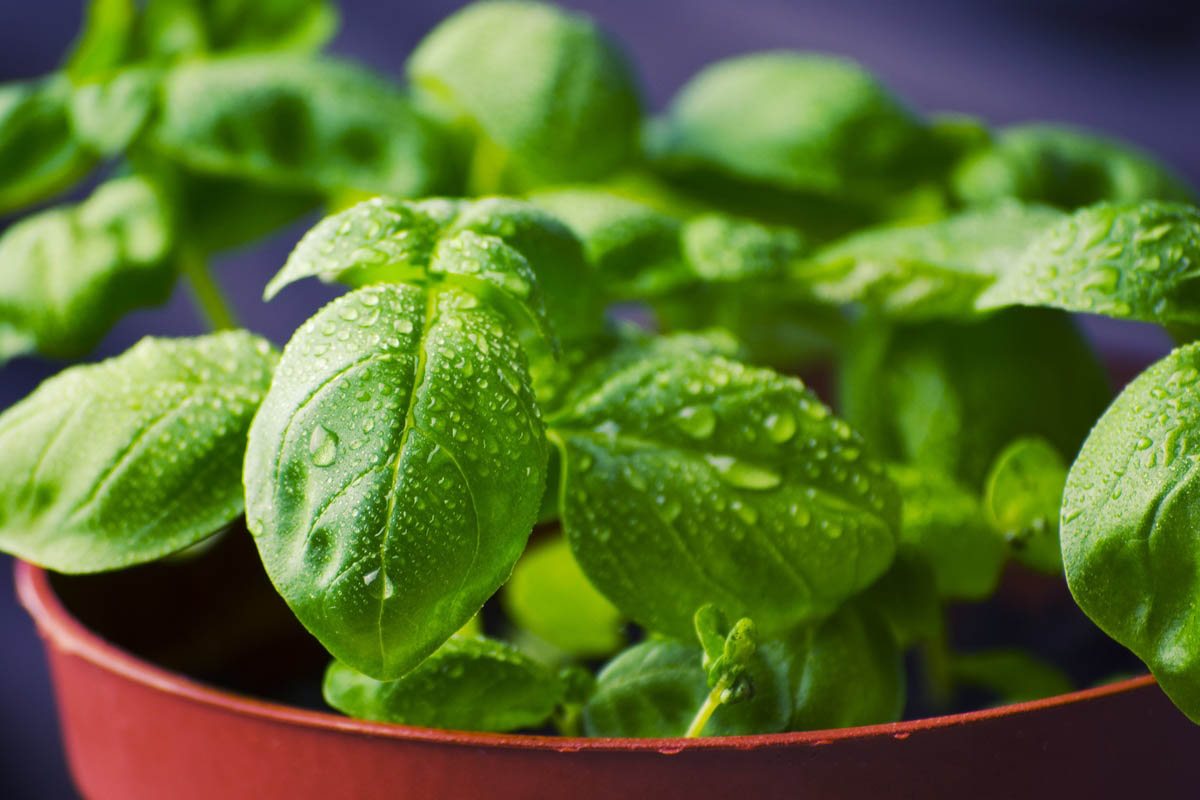
One of the aromatic plants symbolizing the summer is basil. The uses of this plant in the kitchen are numerous, as are the recipes that see this aromatic plant as the absolute protagonist – from Neapolitan ragù to Genoese pesto to pizza.
But how to preserve the scent and brilliant color of basil even in the winter months, when the plant dries out? There are expedients, and they are numerous: with little effort, and perhaps the collaboration of our children, we can stock up on basil and always have it available during the colder season.
Freeze it
Certainly, the simplest and cheapest way to preserve basil is to freeze it. After having washed and dried all the leaves, taking care to separate them from each other, put them to freeze for a couple of hours in the freezer, placing them well separated on a plate or tray. This precaution will allow us to preserve the leaves, preventing them from sticking to each other.
After this time, we can transfer them all together into an airtight container suitable for storage in the freezer. With this simple technique we can preserve basil leaves intact and use them in our preparations when they are still frozen.
We can also make ready-to-use “seasoning cubes” with oil and fresh basil, which we will keep in the freezer and use as needed. Preparing them is very simple: after having washed and dried the basil leaves, cut them into small pieces with the help of scissors. To be faster we can also chop the leaves with the mixer, but the result could be too fine.
Let’s now equip ourselves with an ice cube mold: we will need it to make small portions of our basil. Place about a teaspoon of chopped basil in each small space, then cover it with olive oil until the entire cube is filled.
Now all we have to do is keep the basil in the freezer and extract when needed a cube of spice enriched with oil which, in addition to allowing correct conservation in the freezer, will enrich all our dishes with flavour.
In oil
@grishinaelena/123rf.com
Olive oil can also be useful for preserving basil without the aid of the freezer, but at room temperature. We sterilize a glass jar and insert the basil leaves inside, well washed and dried on absorbent paper. Once all the leaves have been inserted, we drizzle with oil until they are completely covered, then we close the jar and store it in the refrigerator or in a cool, dry place.
Be careful with basil in oil
Extra virgin olive oil can be used to prepare a basil-based dressing, but it is important to pay attention to conservation. Homemade preparations with aromatic herbs immersed in oil, in fact, must be managed correctly because the oxygen-poor environment created by the oil can favor the development of microorganisms if adequate hygienic and storage conditions are not respected.
For this reason it is preferable to prepare small quantities of basil in oil and store them in the refrigerator, consuming them quickly. Alternatively, frozen basil and oil cubes represent a more practical and safe solution for always having a fragrant condiment ready.
Dried basil
Finally, we can prepare a jar of dried basil – also ideal as a gift for a friend who loves cooking. Take the basil leaves with two or three centimeters of stem left, wash them with cold water and dry them carefully.
We then make “bunches” by collecting the stems and tying them together with string. We then leave these bundles to dry hanging on a nail in a ventilated room away from direct sunlight – we can store them for example in a closet or cellar.
After a couple of weeks our leaves will have completely dried out and will have lost all their water. Now all we have to do is untie them, cut the stems and store the leaves inside a very clean glass jar. If we want, for easier use of the spice, we can also crumble the leaves with our hands or in a mortar.
In this article we have collected different techniques for drying aromatic herbs, to preserve them and have them available all year round.
Prepare the pesto and store it in the freezer
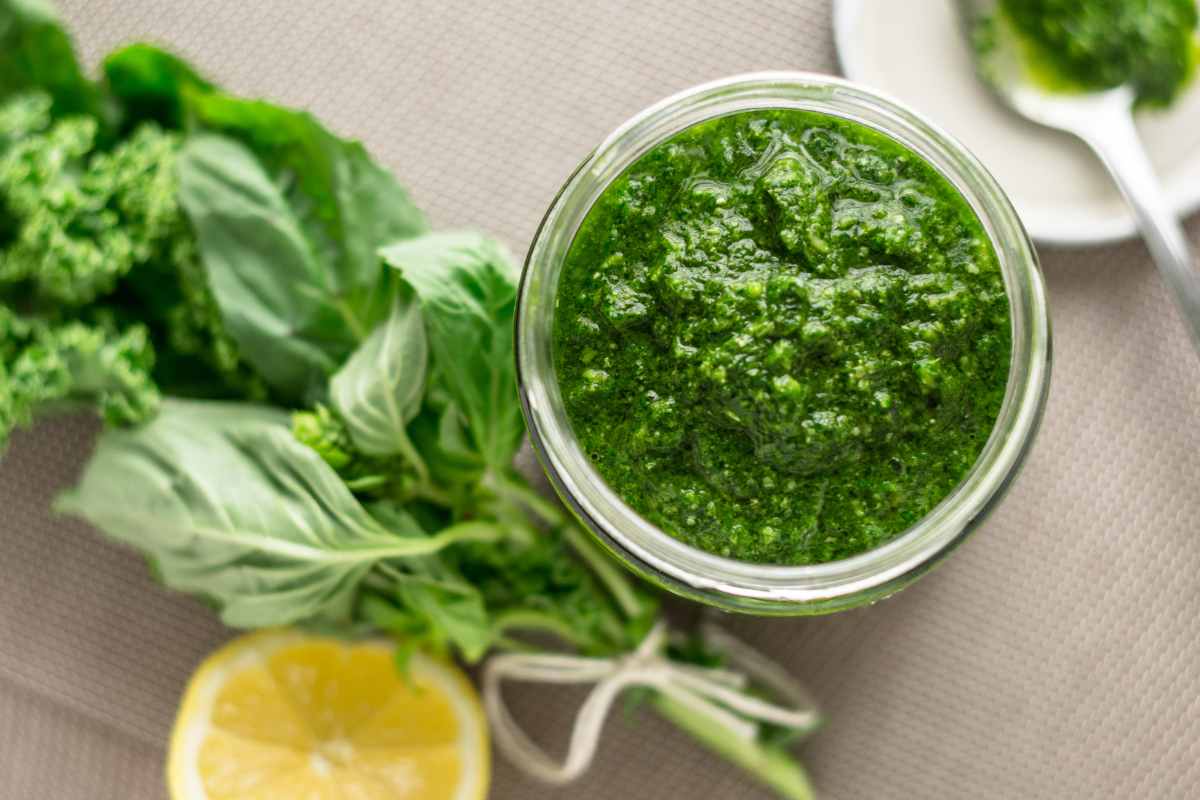
Another way to have the scent of summer basil even during the winter is to prepare the pesto when the plant is at the height of its production and store it in the freezer.
We can prepare pesto following the traditional recipe or a simpler version with basil, extra virgin olive oil, dried fruit and the ingredients we prefer. Once ready, we can distribute it in small containers or in ice molds, so as to obtain portions already dosed and ready for use.
When using it, simply let it defrost slowly and possibly add fresh cheese, such as parmesan or pecorino, to obtain a result more similar to freshly prepared pesto.
The trick to keep the basil from blackening
One of the most common problems when storing basil is the loss of its characteristic bright green color. In fact, once collected and handled, the leaves tend to darken due to oxidation, especially when they are cut or crushed.
To limit this phenomenon it is important to dry the leaves very well after washing and keep them whole when possible, avoiding processing them more than necessary. An alternative method consists of blanching the leaves for a few seconds in boiling water and immediately transferring them to a bowl with cold water: a thermal shock that helps preserve their color.
It is a technique also used in the kitchen to keep vegetables more lively, even if the passage in hot water can slightly change the flavor of fresh basil.
Better to avoid the refrigerator
Storing fresh basil in the refrigerator may seem like the simplest solution, but it is often the quickest way to ruin it. Low temperatures, in fact, can damage the leaves, which tend to become dark, soft and lose part of their aroma.
If we want to keep it fresh for a few days, it is preferable to treat it like a cut flower: we can place the stems in a glass with a little water at room temperature and delicately cover the leaves with a light bag, without closing them completely.
In this way the basil will be able to keep for longer and continue to give us its scent until it is used.
Preserving basil also means avoiding waste
Harvesting basil when it is in its best period and saving it for the colder months is a simple way to avoid waste and enhance a plant that often grows in abundance during the summer.
With just a few gestures we can transform freshly harvested leaves into a small domestic supply: from pesto to aromatic cubes, to dried basil, each method allows us to bring a bit of the scent of the summer into our dishes even when winter has already arrived outside.
