
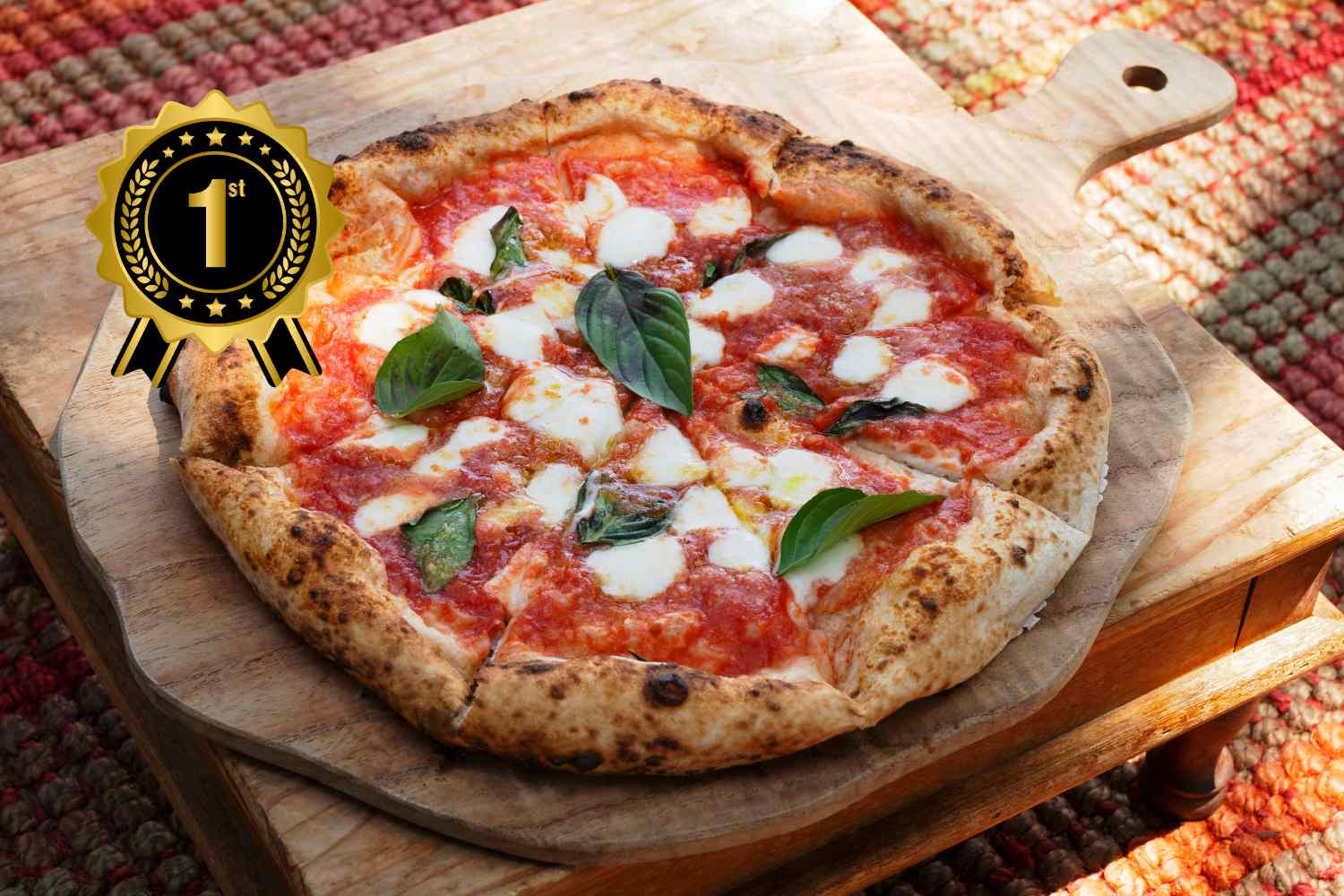
Frozen pizza is one of the most practical solutions for a quick dinner, but choosing the right one is not always easy. In the Altroconsumo test dedicated to frozen pizzas, 75 margherita pizzas available in Italian supermarkets were analysed: the result was that only two products achieved an overall “Good” rating.
The margherita, with its dough, tomato and mozzarella, should be the simplest version and closest to tradition. But when it arrives in the freezer section of the supermarket another factor comes into play: the quality of the ingredients, the salt and fat content, the presence of additives and the level of industrial processing.
According to Altroconsumo’s analysis, in fact, many of the pizzas evaluated fail to stand out in terms of nutritional balance and composition. Among the 75 margheritas tested, only two exceeded the threshold necessary to obtain the “Good” rating.
The two frozen margherita pizzas awarded by Altroconsumo
The following ones achieved the highest scores among the frozen margheritas:
Both obtained a “Good” rating, standing out for a better overall balance between nutritional values, ingredients used and presence of additives compared to the other products analyzed.
How the test was carried out
Altroconsumo evaluated the pizzas considering various aspects, not just limiting themselves to the taste or the list of ingredients. The final score takes into account:
The quality bands according to Altroconsumo
Based on the score obtained, the products were classified into five categories:
The test result therefore shows that, even for a simple and widely consumed food such as frozen margherita pizza, the differences between one product and another can be significant. Reading the label, especially to check salt, fat and ingredients, remains one of the most useful tools for choosing what to bring to the table.
The most interesting data from the test is not only the ranking of the best pizzas, but the fact that out of 75 products analyzed, few were capable of reaching a positive opinion. A result that invites us to pay greater attention to the quality of an apparently simple food, but which can present important differences in composition, ingredients and level of transformation.
