
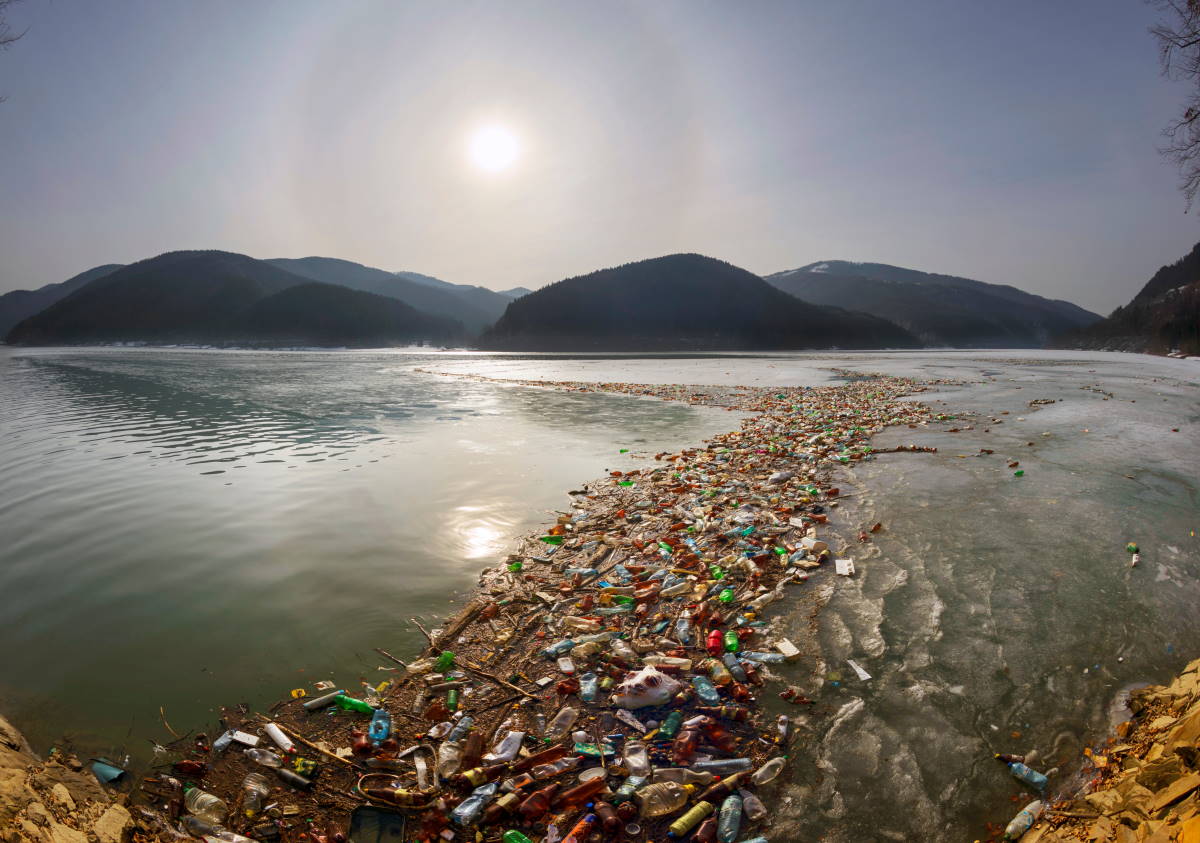
The curtain dropped to the UN headquarters in Geneva with the bitter taste of bankruptcy, as we had anticipated. Despite the extension of the conference to an eleventh day, decided at the last minute by the presidency, the negotiations for an international agreement in the UN on the fight against pollution from plastic materials have failed. An epilogue that knows of tragedy for a planet that produces over 400 million tons of plastic waste every year.
When the bureaucracy blocks the future of the planet
The 185 countries gathered in Geneva have not managed to reach a consent. Presented in the night, the last draft compromise contained even more than a hundred points to be clarified. A failure that comes after two and a half years of negotiations and that leaves us without a legally binding tool to face one of the most urgent environmental emergencies of our time.
The node that wrecked the agreement is always the same: the main question on the discussions table was whether to impose a roof of new plastic production or concentrate on quality improvements and recycling, as many oil producing countries want, which is an essential component of plastic production.
Two visions of the world irreconcilable
On the one hand, the “High Ambition Coalition” – an alliance that brings together over 60 countries including the European Union, many African and Latin American nations, Australia and small insular states – which asks for drastic measures: global and binding reduction of the production of virgin plastic, gradual elimination of the most dangerous chemicals and a management responsible for the entire life cycle of plastic.
On the other, a group of states led by Saudi Arabia, Kuwait, Russia, Iran, Malaysia, India and the United States that has made a wall, insisting to limit the treatise on the only waste management and recycling, leaving the production of new plastic intact. A position that, for many observers, is equivalent to treating symptoms by ignoring the disease.
A planet that cannot wait
While diplomats returned home empty -handed, the reality of the continuous inexorable plastic emergency. The world production of plastic could triple by 2060, and already today this material is everywhere: from the Himalayan peaks to the deeper oceanic pits, to our lungs and our blood.
For small Pacific insular states, already suffocated by waste that arrive by sea today, this is not just an environmental question: it is a matter of survival. The ambassador Ilana Seid, president of Aiosis (Alliance of Small Island States) and permanent representative of Palau to the United Nations, has pronounced very hard words during the negotiations: “While we approach the final phase, the SIDS ((Small Island Developing States, small developing insurrence states) will not be able to watch while our future is tracked in a stalemate You, no before you ‘. “
The language used was particularly strong. “This dangerous arm wrestling – which compares finance and obligations – has a real price: a dying ocean, collapse biodiversity and an increasingly heavy burden on those who are less responsible for this crisis”, added the ambassador.
The weight of the rule of consent
The failure of the negotiations also highlights the limits of the UN system based on the rule of consent, which allows a single country to block agreements desired by the vast majority of the international community. Many experts had suggested to resort to qualified majority vote, but this option was systematically boycotted by countries contrary to stringent measures.
What happens now?
Geneva failure does not mean the end of international efforts, but it certainly represents a significant setting at a time when the climatic and environmental urgency would require rapid and courageous decisions. Plastic will continue to invade oceans, soils and living organisms, waiting for international politics to find the courage to actually act.
In the meantime, the responsibility once again falls on individual citizens, virtuous companies and local authorities who, without waiting for global agreements that never come, continue to work to reduce their plastic imprint. Because when politics fails, it is up to civil society to collect the shards – even if in this case they are plastic stars that float in oceans around the world.
