
Twenty years ago, it was 2007, Sydney led the way, tomorrow evening there will be almost 200 countries. We are talking about Earth Hour, an initiative promoted by the WWF which reaches the finish line of its twentieth edition with a symbolic shutdown which, at 8.30pm on Saturday 28 March, will involve Italian monuments, squares and institutions, from Milan to Palermo. A simple gesture in form, less obvious in scope, symbolic, in which turning off the lights is transformed into a collective act whose aim is to draw attention to the climate crisis, at a time when attention, to be honest, often tends to go elsewhere.
View this post on Instagram
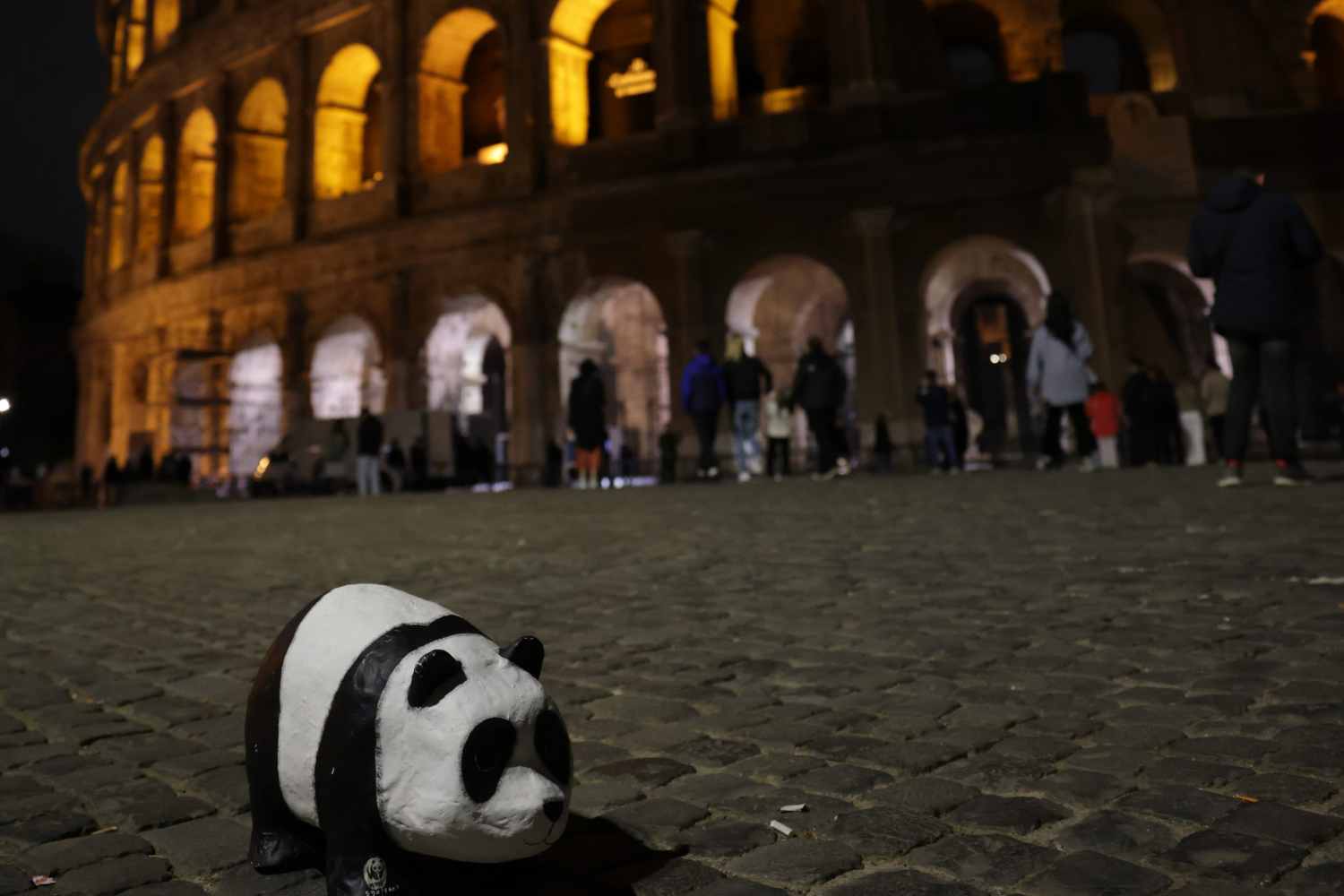
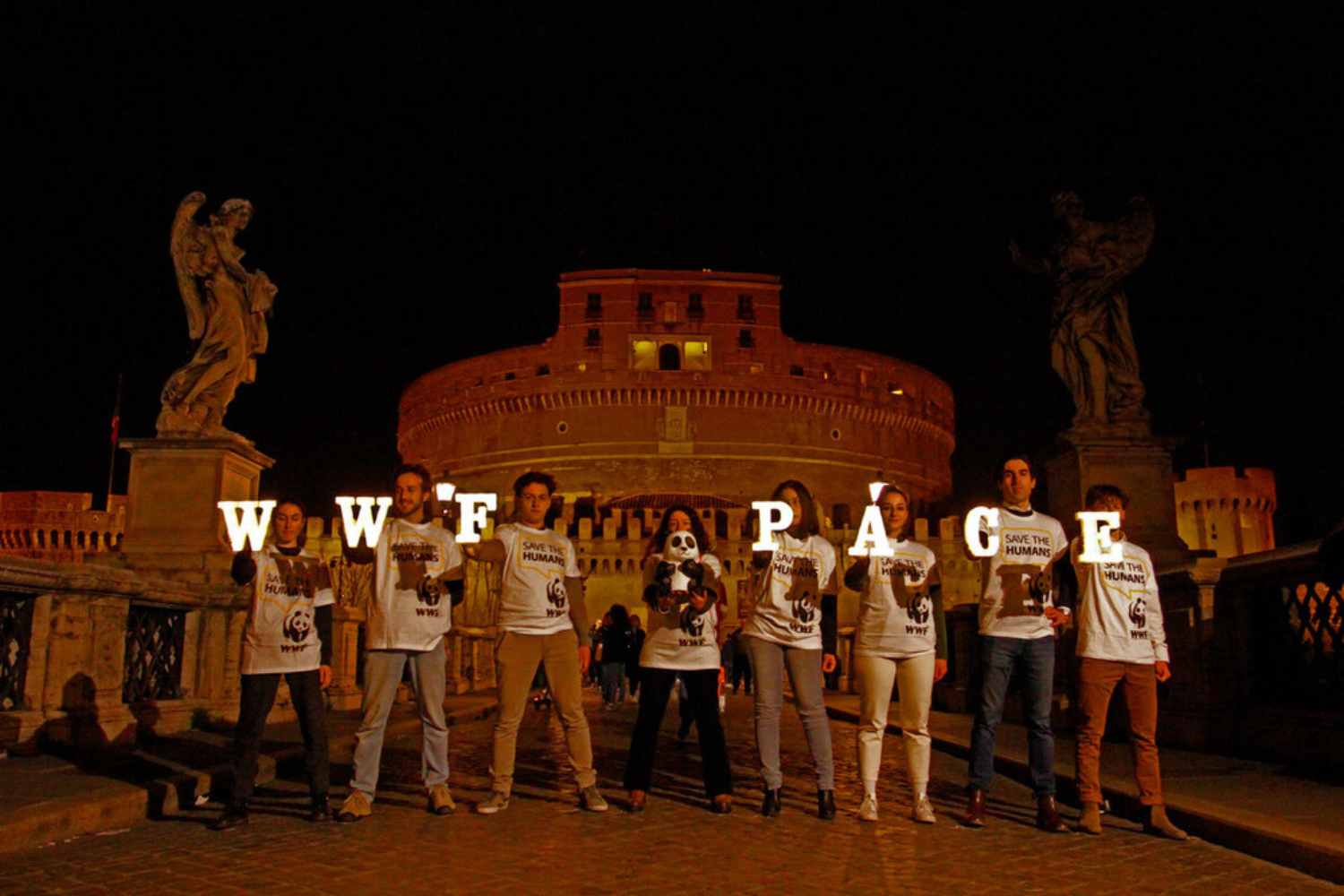
The novelty this year concerns the Capital, given that for the first time the Fontanone del Gianicolo will be turned off. Rome will experience the peak moment right on the Janiculum: for the first time in the history of Earth Hour, the lights of the Fontana dell’Acqua Paola – the so-called Fontanone – will be turned off. A shutdown dedicated to the 60 years of WWF Italia, with the presence of experts and volunteers. The Colosseum and St. Peter’s will also be turned off: the Holy See has joined the initiative and will darken the Dome, the facade of the Basilica and the colonnade. Below, two images from previous editions:
From Milan to Palermo: the monuments that go out
As mentioned at the beginning, the shutdown will affect the entire country and Earth Hour will touch some of the most recognizable places in the country’s architectural heritage:
An initiative with the patronage of the main institutions
Earth Hour 2026 has obtained the patronage of the Chamber of Deputies, the Senate of the Republic, the Presidency of the Council of Ministers, the Ministry of the Environment and Energy Security (MASE) and the National Association of Italian Municipalities (ANCI). For the 2026 edition, the President of the Republic Medal was also awarded.
The hour of darkness is also an opportunity, according to the WWF, to dedicate that time to concrete activities, such as volunteering, community events and reflections on daily behavior.
See you on March 28th!
