
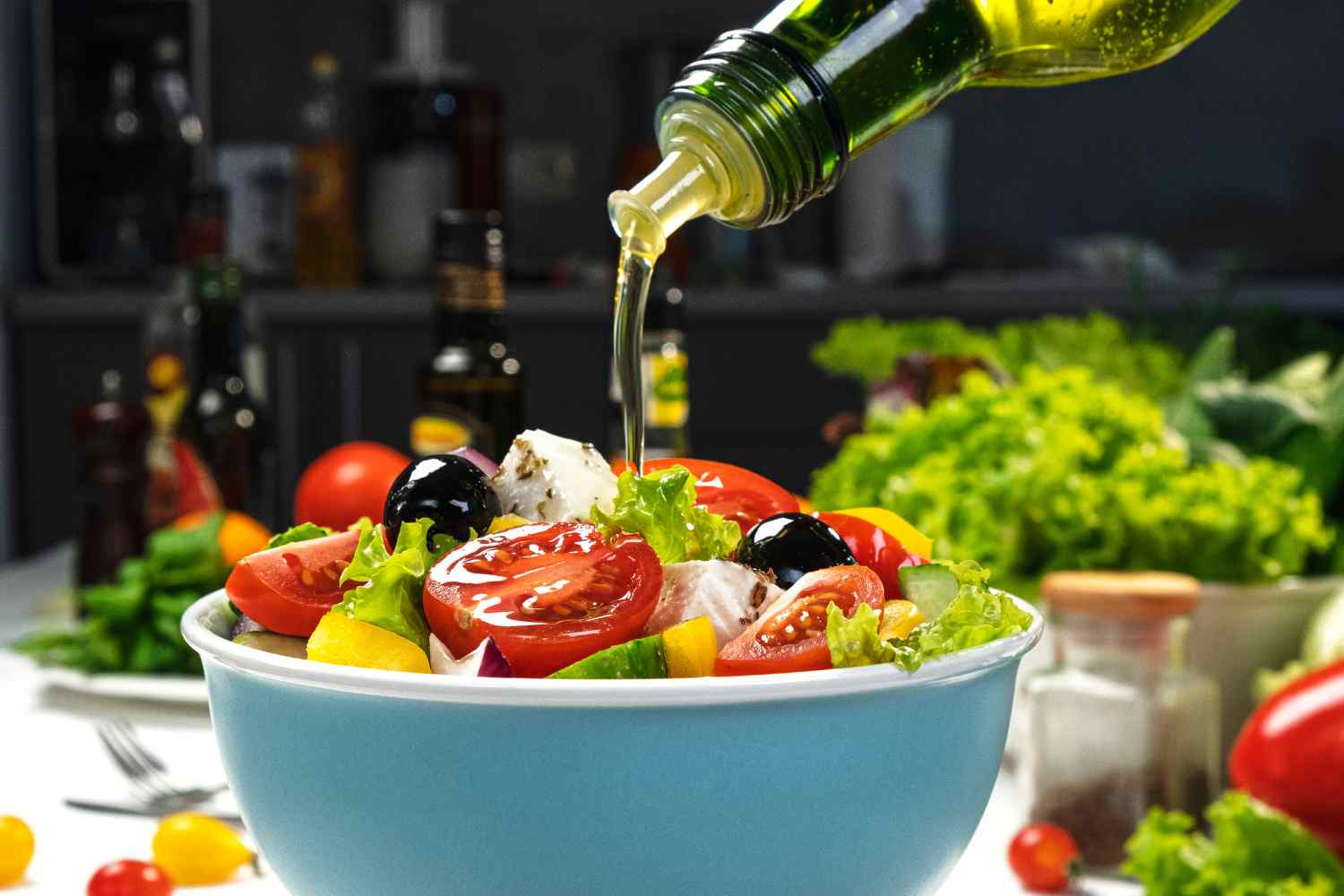
The dish we know as a salad has its roots in ancient Rome, where it was habit to dip the Roman lettuce in the salt: “Savory Herbe” literally meant “salted leaves”. Today, centuries after its origin in ancient Rome, the salad can evoke different images: for some it is a lettuce tray with condiments of your choice of the most common salads; For others, it is a hot bowl of cereals such as spelled salad, or even a fulfilled salad without lettuce such as pasta salad, or potatoes.
The salad is considered by some a cold, seasoned and cut side dish, while others transform it into a complete meal by adding a variety of proteins. In short, salads mean different things for different people: the key lies in the fresh ingredients, in the consistency and in a well balanced seasoning.
In any way it is served, a salad can tell a lot about a place. From Greece to Mexico, from Ethiopia to Japan, it is not just about ingredients (vegetables, herbs, leaves) or condiments and textures: there is often a story behind the recipe that evokes time, place and availability of local products. Ask any chef and will tell you that creating a salad is not for the weak heart, and it is probably for this reason that so many classic salads have survived for years, with few variations as well as small additions or exclusions.
The best salads in the world
Panzanella (Italy)
Panzanella begins with leftovers: specifically the bread of the day before. The origins of this salad date back to centuries ago as an economic meal prepared by the Tuscan farmers using surpluses and local products.
Here we start from the hunger true, the peasant one. Panzanella is made of stale bread – the famous “bread of yesterday” – hand torn, soaked and then squeezed. Then tomatoes, cucumbers, red onion, basil, vinegar and good oil. In some places they also put celery or rocket, but the base does not change. It is a salad that comes from poverty and reaches the trendy restaurants, without losing a gram of substance. If it’s too dry, it doesn’t work. If it’s a baby food, it’s wrong. The trick? Stort balance. You have to do you a little running, but with the right hand. Here the complete recipe of Panzanella Toscana.
Salade Niçoise (France)
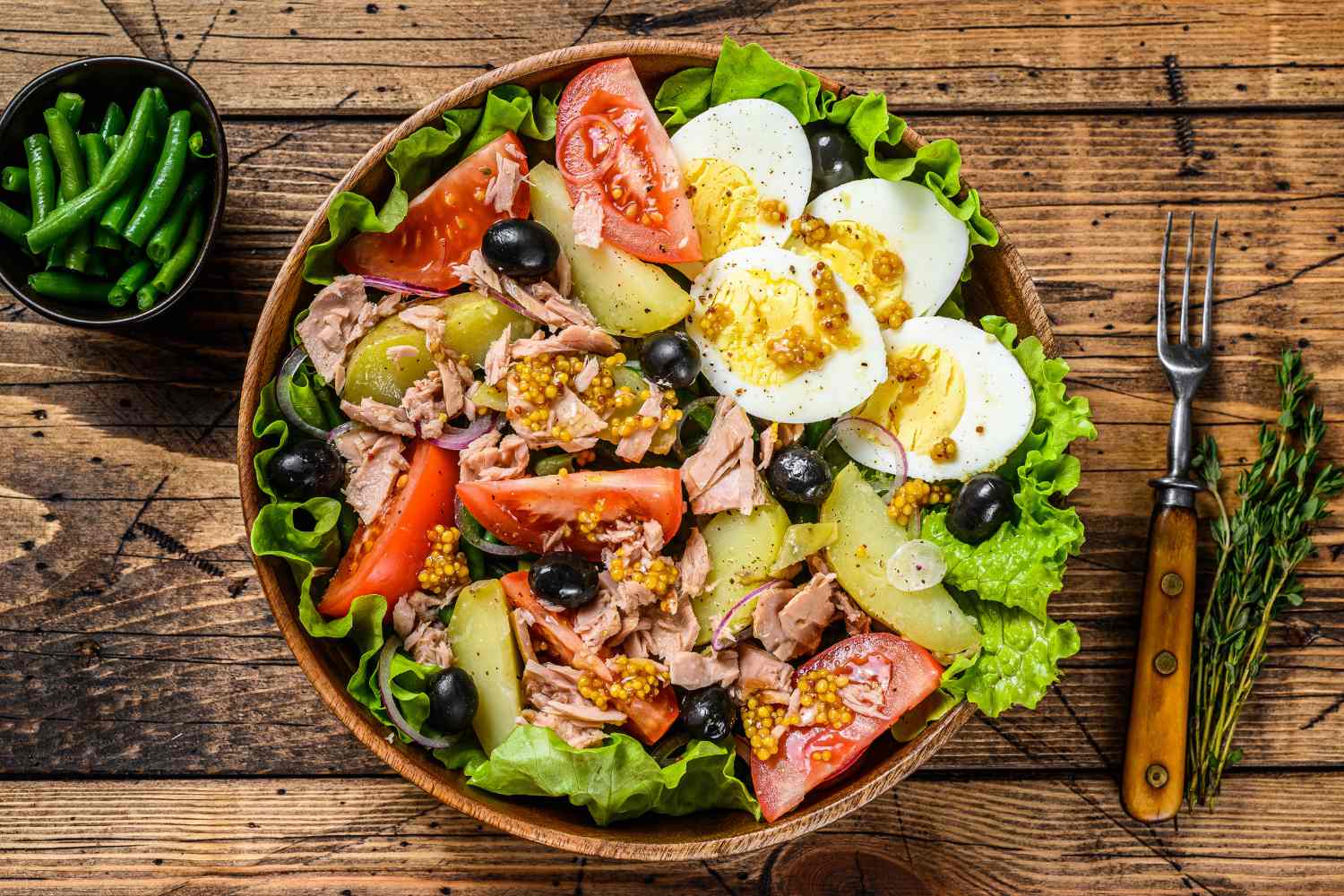
From the French Riviera comes theNizzarda salad: Tuna, potatoes, hard -boiled eggs, green beans, anchovies, olives, tomatoes, all beautiful distributed. Each ingredient has its role, but it is the whole that is winning. Julia Child is said to have adored it, and it is not difficult to understand why. It is light but decisive, a full meal disguised as salad.
Yusheng (Singapore)
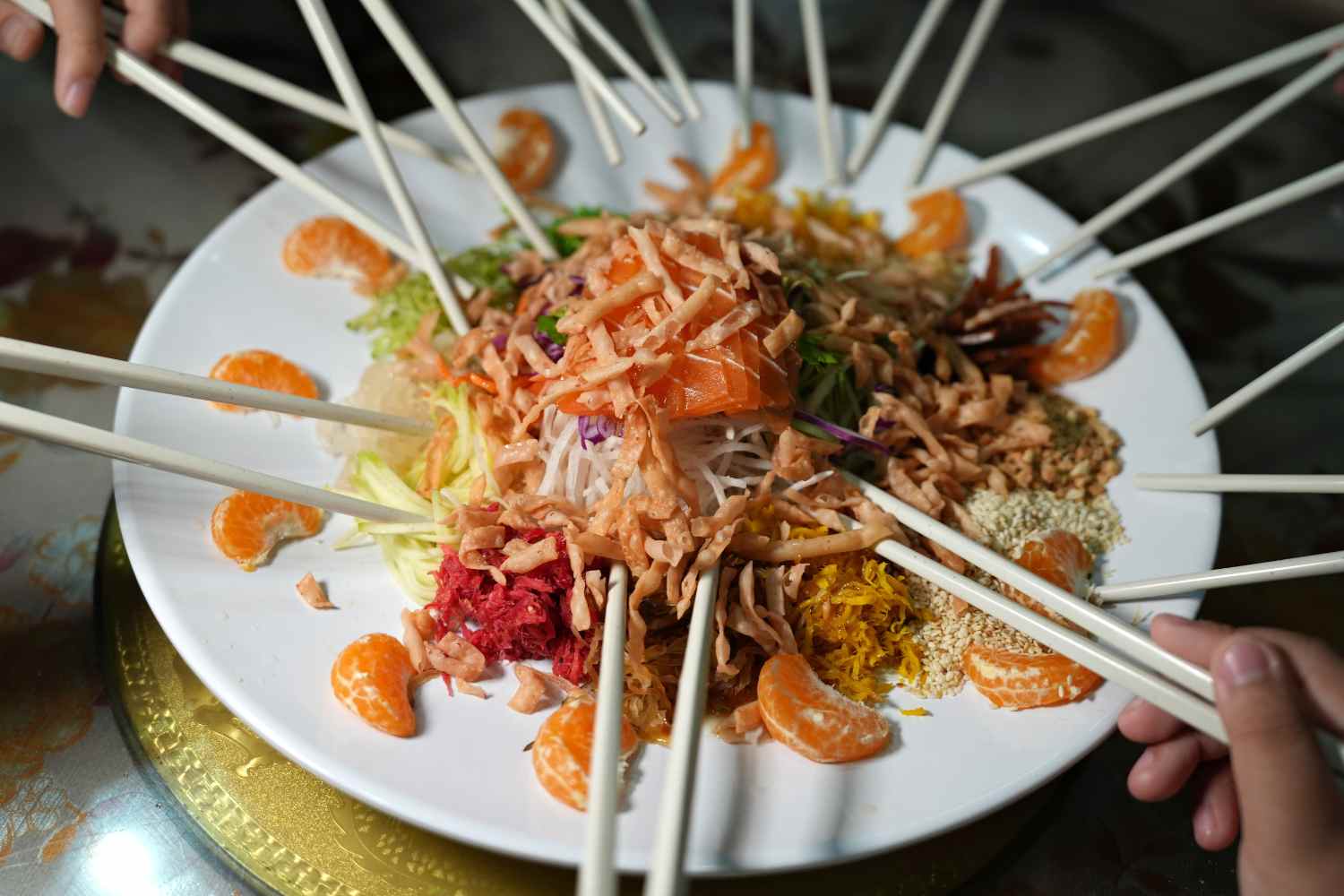
Here we are beyond the salad: we are in the rite. Yushengor “prosperity salad”, uses for the lunar New Year. Raw fish, fine cut vegetables, spices, seeds, candied fruit, sweet sauces. But above all: it launches. Literally. Everyone at the table use the chopsticks to mix the salad in the air, as high as possible, while beautiful things are said for the new year.
Salat Katzutz (Israel)
Tomatoes and cucumbers, always. Then lemon, salt, oil. End. The Salat Katzutz It doesn’t need anything else. It is that dish that accompanies every dish, at every hour, in every house. Everyone does it, each in his own way, but always with the same spirit: absolute freshness.
Chopped Salad with Jicama and Pepitas (Mexico)
In Mexico, crunchiness is a religion. And this Chopped Salad It is proof. Inside you will find jicama, cucumber, orange, pineapple, onion, coriander, avocado, toasted pumpkin seeds. All seasoned with a vinaigrette with the avocado with Tajín (the lime-chili-beal mix that would also put in the coffee, if they could).
Gammaldags Pressgurka (Sweden)
Fine sliced cucumber, sugar, vinegar, pepper, dill. He crushes himself, let herself be resting, and uses. This is Pressgurkathe Swedish salad that acts as a perfect contrast to their beautiful fatty dishes: meatballs, roasted, salmon. Fresh, sweet, acidic.
Shopska Salad (Bulgaria)
Colors of the country (red, green, white) and a taste that is not forgotten. Shopska It is a mix of tomatoes, cucumbers, peppers, onion and sirens – the cheese similar to the feta but more decisive. It is located throughout the Balkan area, but in Bulgaria it is an institution. Okay with everything, I never get tired, and as soon as you taste it you ask you why it is not already in your fridge.
ENSALADA DE PALMITOS (Argentina)
In South America, and in Argentine In particular, Palma’s heart is serious stuff. THE’ENSALADA DE PALMITOS It is made with these soft cylinders, then tomato, avocado, lime, coriander.
Laphet Thoke (Myanmar)
Ferment the tea leaves? In Myanmar they have always done it. And they make the salad: Laphet Thake. Inside you find everything: cabbage, tomato, fried garlic, crunchy beans, dried shrimp, peanuts, sesame. Seasoned with lime and Fish Sauce. It is strange, bitter, acidula and eaten with hot tea.
Horiatiki (Greece)
In Greece they call her village salad, but she is famous everywhere. Horiatiki It means good tomatoes, cucumbers, kalamata olives, onion, peppers, oregano and a whole slice of feta above. No lettuce, never. The oil must be Greek, the salad must be simple and made at the moment.
Pipirrana (Spain)
It comes from Andalusia and is all cut into cubes. Pipirrana It is made with tomatoes, cucumbers, peppers and onion, seasoned with oil and vinegar. Sometimes they put the tuna. It doesn’t need anything else. It is fresh, tasty, perfect after a day in the sun.
Som Tam (Thailand)
Som Tam It is spicy, acid, crunchy and completely out of control (in a good sense). Green papaya is grated and then beaten with garlic, lime, kilos, fish sauce, sugar, tomatoes, green beans and peanuts. It is a salad that is prepared in the mortar, to the sound of beating. Laotian origin, Thai heart. You eat everywhere, from the streets to Bangkok restaurants.
Cobb Salad (USA)
A salad born to empty a fridge, the Cobb Salad It comes from Los Angeles 1930s, and puts everything together: lettuce, hard -boiled eggs, roasted chicken, crunchy bacon, tomatoes, avocado, chives and blue cheese. All cut into small pieces, beautiful ordered, like a mosaic of protein.
Tabbouuleh (Lebanon)
Tabbouuleh It is not a salad with the parsley: it is parsley with salad. End, fresh, fragrant, with bulgur, tomatoes, onion, mint, lemon and olive oil. Some put cucumber, others a touch of pomegranate juice. But if the parsley is not the protagonist, you are wrong.
Sunomono (Japan)
Three ingredients, a perfect balance. Cucumber, rice vinegar, a little sugar and soy sauce. Sunomono It is the classic Japanese salad served at the beginning of the meal or next to heavy dishes. It is light and acidula. Someone adds sesame or algae, but the heart is always the same: cucumber and vinegar.
Schwäbischer Kartoffelsalat (Germany)
In Germany the potato commands. But no mayonnaise here: the Kartoffelsalat of Swabia is seasoned with broth, vinegar, mustard and oil. The potatoes must be firm and cut thinly. It is served lukewarm or cold, always as a side dish, often with sausages or schnitzel.
Gado-Gado (Indonesia)
Gado-Gado It means “mixing-storm”. It is more than a salad: it is a complete dish. Cooked and raw vegetables, hard -boiled eggs, fried tofu, tempeh, potatoes, distant (rice cake), all seasoned with a dense and fragrant peanut sauce. Each area of Indonesia has its own versions, some desserts, others spicy.
Shirazi Salad (Iran)
Similar to Israeli, but with mint instead of parsley. Shirazi It is made with cucumber, tomato, onion and verjuice – an asprigno bright of immature grapes that makes the difference. It is served with rice dishes, stews, kebabs. It is fresh, acidic, sharp, perfect for balanced the intense flavors of Persian cuisine.
Olivier Salad (Russia)
There Olivier It is prepared with potatoes, carrots, peas, cucumber, eggs, meat (chicken or ham), mayonnaise. Born in the 19th century in Moscow and still queen of festive tables today. It looks like a classic American potato salad, but with a thousand variations.
Waldorf Salad (USA)
Born at the Waldorf-Storia in New York, this salad unites Apples, celery, walnuts, grapes and mayonnaise. Sometimes with chicken, sometimes with yogurt or cream. It is sweet, crunchy, creamy. A contrast that conquers or displaces.
Caesar Salad (Mexico)
Yes, you read well: the Caesar It is Mexican. Born in Tijuana in the 1920s to an Italian cook. Roman lettuce, dressing with anchovies, garlic, mustard, lemon, olive oil, Parmesan and egg. And Crostini of course.
Timatim (Ethiopia)
Tomatoes, onion, lime, garlic and that pinch of Berber – La Spezia Etiope which is halfway between the fire and the perfume. It often serves with the injera, the typical spongy bread.
Kachumbari (Eastern Africa)
Kachumbari It is typical in Kenya, Tanzania, Uganda. Tomato, onion, lemon, kilos, fresh coriander. It looks like an outline, but gives the push to dishes with meat, rice, beans. It’s not gourmet stuff, it’s street food.
