
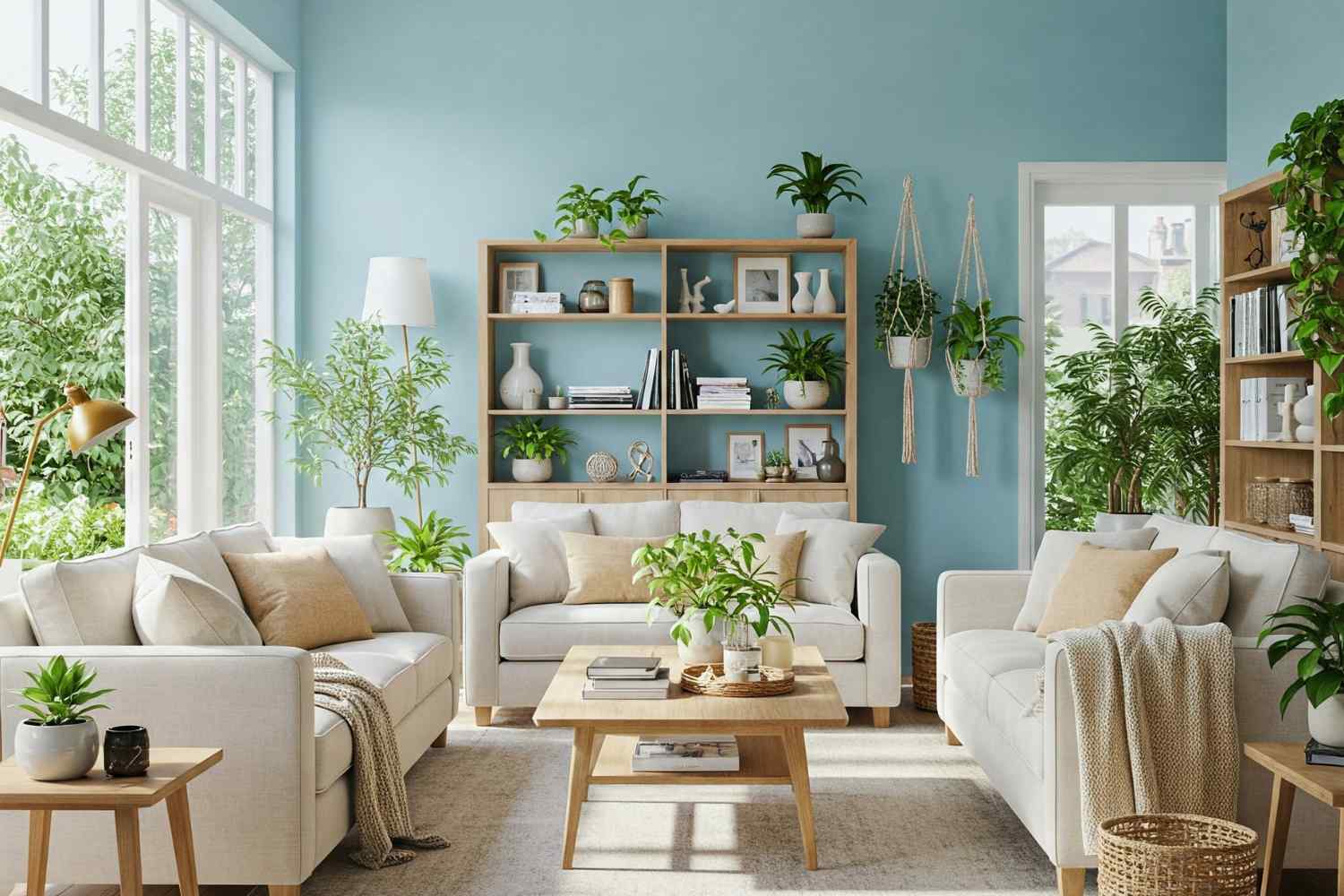
Winter enters the house without knocking: short days, light that fades quickly, heating that dries the air and a subtle tiredness that often appears for no specific reason. It is the moment in which domestic environments become a shield and refuge, and where even the simplest details can change the perception of one’s well-being. Bringing some plants into inhabited spaces is not an ornamental gesture, but a concrete strategy to counteract that sense of closure that many feel during the colder months. You don’t need to be a gardening enthusiast or fill your rooms with greenery, just choose some varieties capable of acting on air quality, rest and even mood.
Lavender: the scent that relaxes and accompanies sleep
Among the most effective plants during periods of winter stress is lavender. Its natural aroma promotes relaxation, reduces mental tension and can represent a discreet help in the hours preceding sleep. In the bedroom it diffuses a soft note that accompanies calm and facilitates deeper rest. It is not too afraid of management by those who have no experience and manages to remain stable even in the months when light is limited.
Sansevieria: cleaner air even with little light
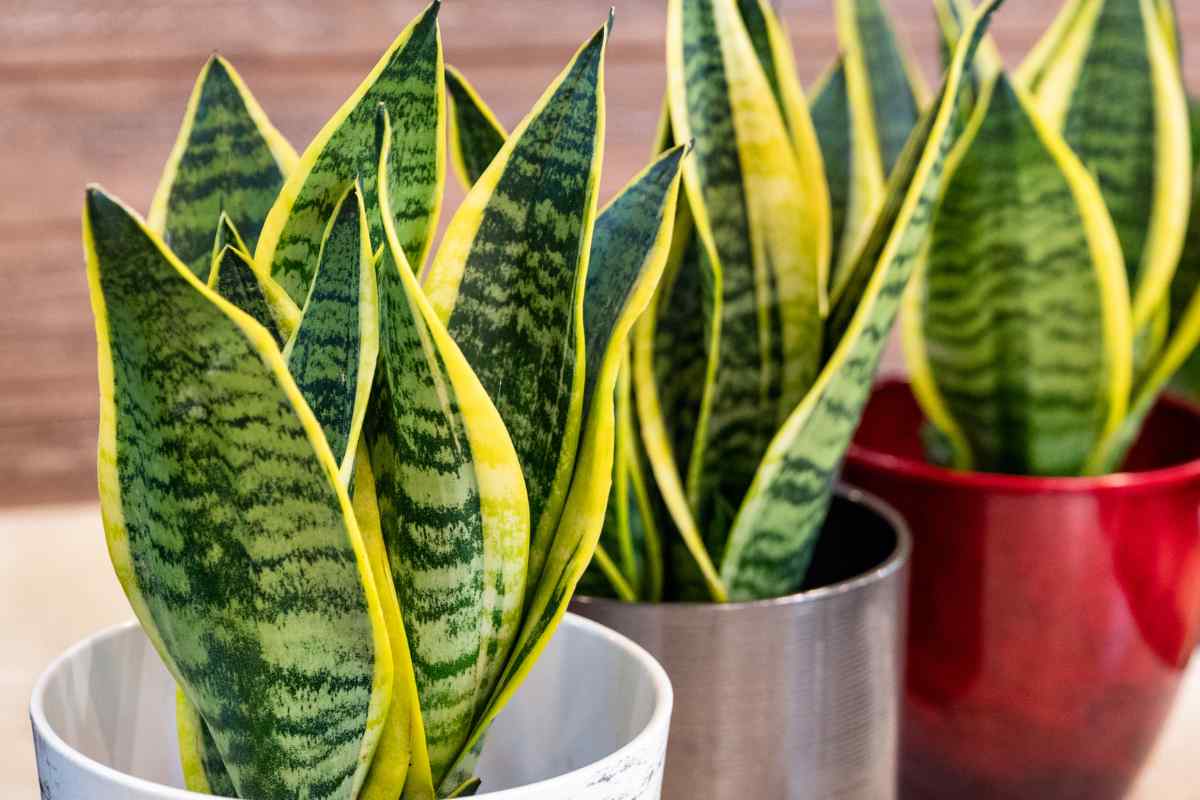
Those looking for practicality can focus on sansevieria, known for its extreme resistance and ability to purify the air in closed environments. During the winter, when the windows remain sealed for hours, this plant acts on the quality of the internal atmosphere and constantly returns oxygen. It doesn’t require much attention and survives easily even if you sometimes forget about it. Ideal for those who spend a lot of time indoors and feel a sense of environmental heaviness.
Aloe vera: natural well-being for skin and mind
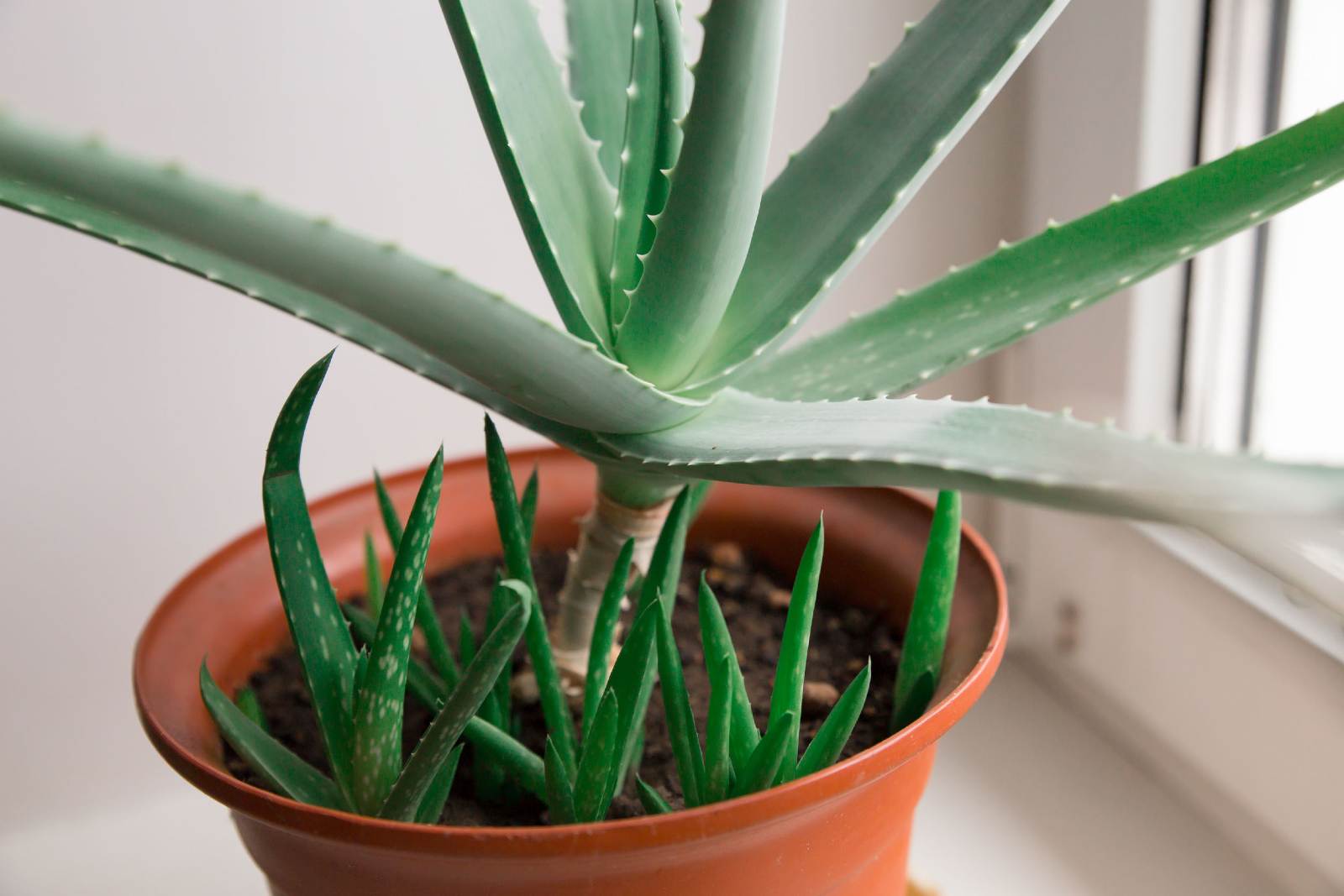
If cold and heating cause dryness and minor skin discomfort, aloe vera becomes a double help: aesthetic and practical. The gel contained in its leaves is a natural remedy known for its soothing properties, useful in case of irritated or dehydrated skin. Kept in bright areas, this plant also offers a reassuring visual impact and transmits a sense of vitality that contrasts the winter static.
Spathiphyllum: vegetal elegance that fights dry air

The spathiphyllum stands out for its shiny leaves and elegant structure, but above all for its ability to maintain a more balanced humidity level in rooms. The dry air produced by heating is naturally mitigated and the environment becomes more livable. It should be moved away from doors or windows, where too cold drafts could hit it, but once positioned correctly it helps to make the house less heavy and more welcoming.
Gerbera: the flower that stimulates good mood during the night

For those looking for an immediate emotional impact, the gerbera brings color in a season dominated by gray shades. In addition to its visually positive presence, it stands out for its ability to release oxygen when the light fades, making it easier to sleep at night. During the winter it can live well indoors if placed in bright spots, and with the arrival of spring it can be moved outside to intensify flowering.
Pothos: the anti-pollution plant that grows even in the dark
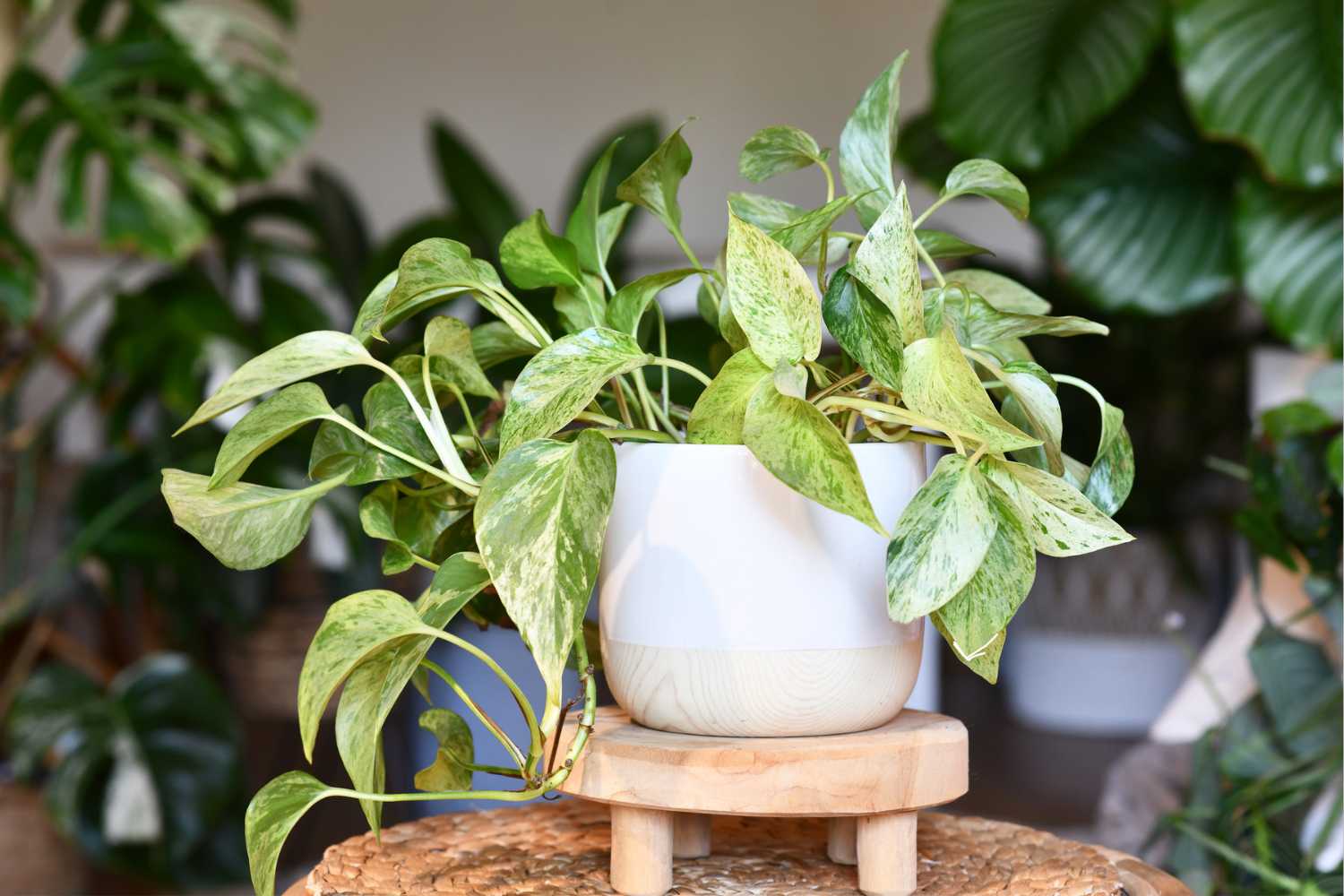
Pothos is one of the most resistant and versatile indoor plants, perfect for those looking for an ally against winter domestic pollution. When windows and doors are closed for hours, this plant absorbs harmful volatile substances such as formaldehyde and benzene, common in artificially heated environments. Its drooping leaves create a relaxing visual effect and it adapts to any corner of the house, even the dimly lit ones. It requires very little care and grows quickly, restoring a sense of vitality to the static spaces of winter.
Ficus Benjamin: the living room tree that regulates humidity

For those who have larger spaces, the ficus benjamin represents an important presence that goes beyond aesthetics. This plant acts as a natural regulator of environmental humidity, releasing water vapor through its leaves and compensating for the dryness produced by radiators. Its tree-like structure creates a green focal point that breaks up the winter monotony and gives visual depth to the rooms. It requires a bright position but away from cold air currents, and once settled it becomes a stable and beneficial element for the entire cold season.
Tropical decorative plants: scenic leaves against the gray winter
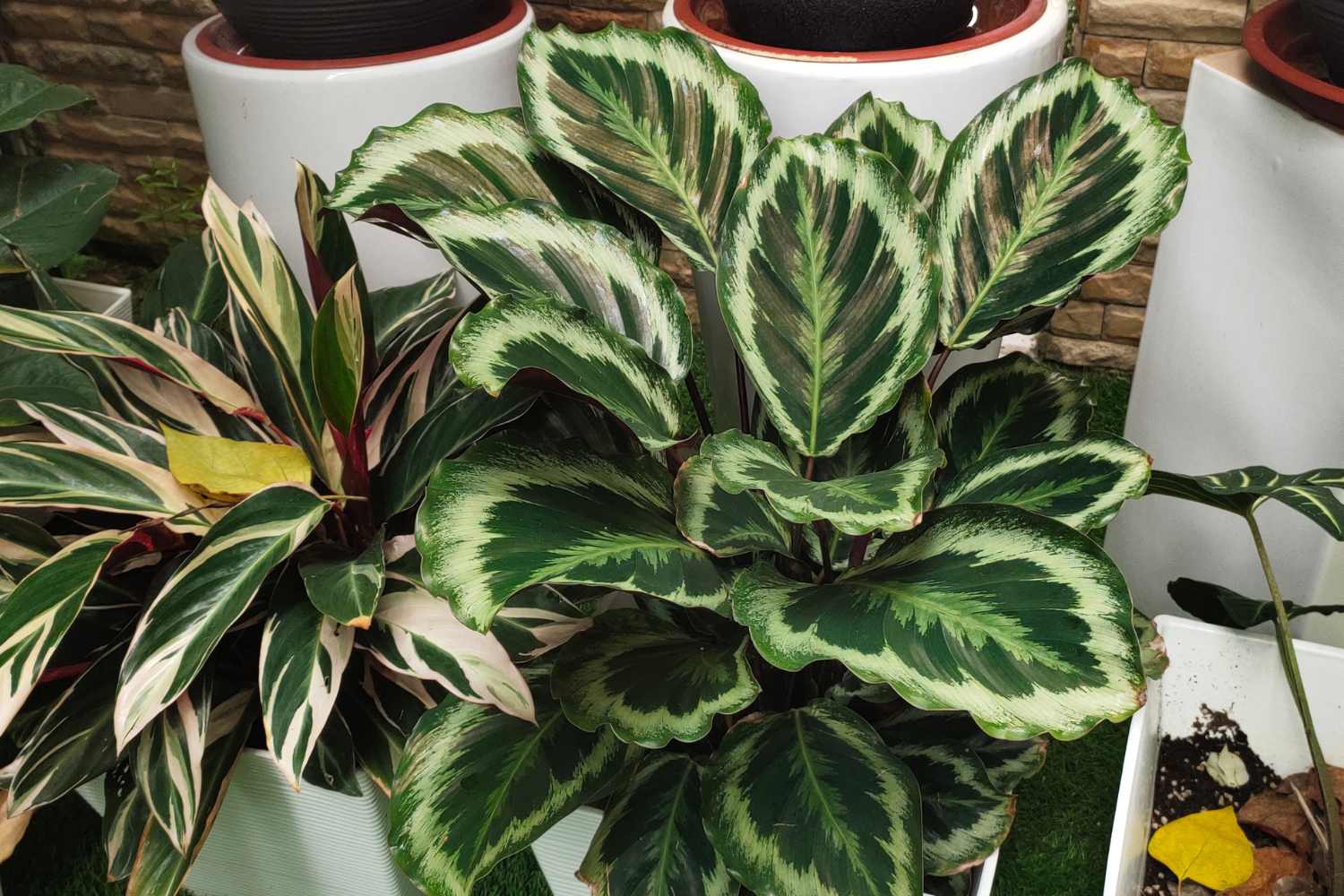
Some tropical plants, although far from cold climates, adapt surprisingly to indoor spaces during the harsh months. Their scenic leaves break the monotony of the environments and restore visual dynamism. If managed without sudden changes in temperature, they help make domestic spaces less static and more energetic on a perceptive level.
Monstera deliciosa, with its sculptural-looking perforated leaves, brings immediate visual impact and grows well even in medium light conditions. The Calathea, with its decorative variegations and the movement of the leaves that open and close following the light, adds living dynamism to the environments. The philodendron, in its numerous varieties, resists heated internal spaces very well and purifies the air while its shiny leaves break the winter color monotony. If managed without sudden changes in temperature, these plants help make domestic spaces less static and more energetic on a perceptual level.
Indoor aromatics: fragrances that promote concentration and mental lightness
Those who work from home or spend many hours in front of a screen can find allies in aromatic indoor plants. Placed perhaps in the kitchen or living room, they release essences that lighten the mind, improve concentration and reduce the feeling of closure typical of the winter period. Some can resist even in low light, as long as they are positioned in environments that are not too cold.
Undergrowth variety
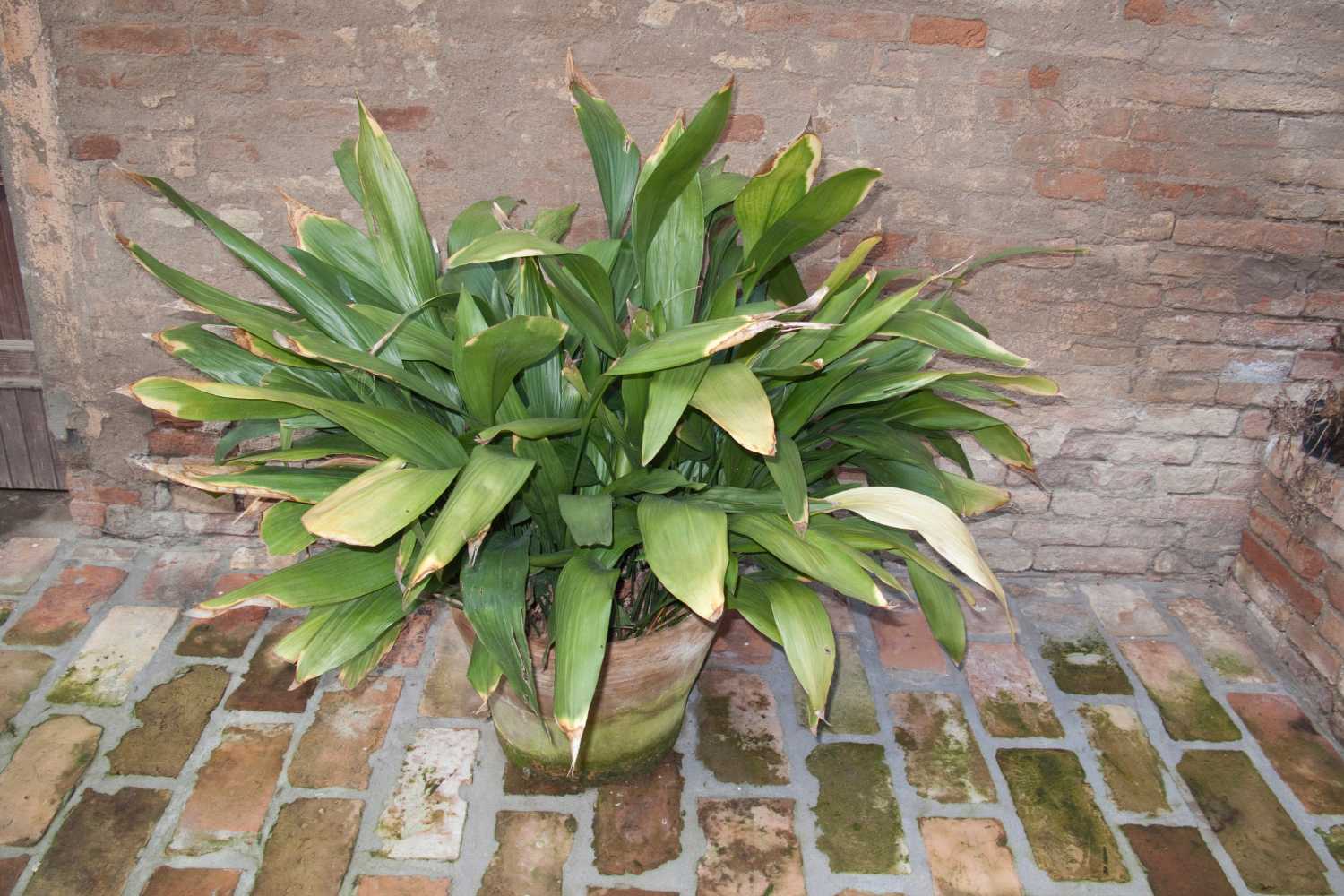
There are plants that develop well in contexts of low light and constant humidity, similar to those of the undergrowth. Placing them in reading corners, near bookcases or areas intended for rest helps to create small regenerative areas, less subject to the dryness of artificial air and more inclined to natural relaxation.
The Boston fern thrives in dimly lit corners and naturally releases moisture into the air, creating an ideal microclimate against winter dryness. The aspidistra, known as the “iron plant” for its extreme resistance, survives even in the most difficult conditions and in shaded areas where other plants would fail. The photos scindapsus and some varieties of peperomia complete this category, adapting perfectly to bathrooms or corridors where natural light is scarce. Placing them in reading corners, near bookcases or areas intended for rest helps to create small regenerative areas, less subject to the dryness of artificial air and more inclined to natural relaxation.
Relying on plants during the winter means acting on the quality of home life in a simple but effective way. Each variety brings a different benefit, whether related to air purification, emotional relief, sleep quality or aesthetics. In a season that tends to drain energy, introducing plants into environments is not a style choice, but a concrete intervention on daily well-being. Even a single plant can make a difference: it doesn’t solve everything, but it gives something back. And in winter, when every little improvement is worth double, it deserves space.
Other easy-to-grow houseplants:
