
Not just small towns surrounded by nature, distant islands or Nordic capitals where bicycles, renewable energy and public transport are already part of everyday life. The sustainability of a city today is not only measured by how many cycle paths it has or how much greenery there is in its parks.
What also counts is the way in which an administration is able to manage tourism, involves local communities, reduces its environmental impact and builds a more liveable future for those who live there.
This was established by the Global Destination Sustainability Index (GDS-Index) 2026, the international ranking created by the Global Destination Sustainability Movement, which evaluates the sustainable performance of tourist destinations across four major areas:
Among the 40 cities recognized as leading destinations in sustainability and urban regeneration there is also an Italian city, perhaps not the one many would expect.
The cities that dominate the ranking
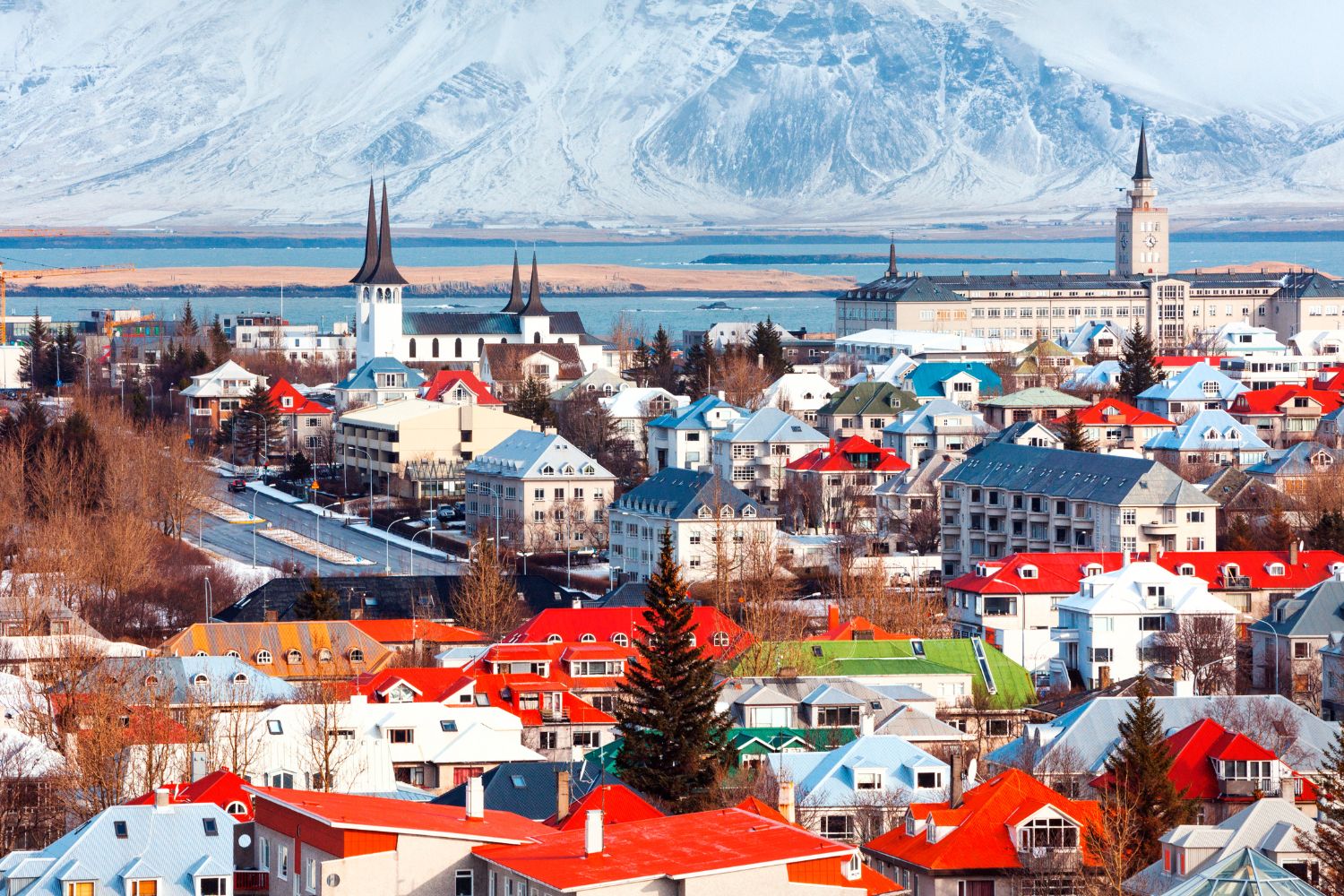
- Reykjavík, Iceland: in tenth place we find Reykjavík, the capital of Iceland, with an overall score of 87%. The city achieves the best result in the social dimension, with 95%, followed by the commitment of the local supply chain (90%), tourism management (88%) and environmental performance (78%). Reykjavík is described in the report as a city where the environment and social well-being go together: from air and water quality to policies for equality, education and participation.
- Montréal, Canada: with the same total score of 87% we find Montréal. The Canadian city achieves the highest result in the management and promotion of tourism (98%), followed by social progress (86%), the local supply chain (82%) and the environment (76%). Its sustainability path passes through the “Montréal 2030” strategic plan, built around four objectives: ecological transition, social inclusion, democratic participation and innovation.
- Belfast, United Kingdom: reaches 87% and stands out above all for tourism management (93%), local supply chain commitment (86%) and environmental performance (86%). The British city has launched a climate strategy with 30 transformation programs to aim for a more inclusive, low-emission and climate-resilient economy.
- Sydney, Australia: Ranks seventh with 87%. Among the strengths are tourism management (95%) and social progress (89%). The Australian city has focused on collaboration between hotels, cultural institutions, event venues and tourist organizations through the Sustainable Destination Partnership, a program dedicated to reducing energy and water consumption, renewables and environmental certifications. A curious fact: according to the report, 100% of Sydney hotel rooms can be reached by public transport.
- Glasgow, UK: Glasgow scores 88% and stands out for its local supply chain (94%) and tourism management (93%). The Scottish city aims to become climate neutral by 2030, making sustainability a long-term urban strategy.
5. Aalborg, Denmark: comes fifth with 88%, thanks mainly to tourism management (95%), social progress (89%) and local supply chain (87%). The city has a long history linked to sustainability: in 1994 it hosted the birth of the Aalborg Charter, a European initiative dedicated to sustainable urban development signed by over 3,000 local authorities.
4. Aarhus, Denmark: with 90%, which has focused heavily on collaboration between universities, municipality, tourism and events to create practical tools such as a green manual for events and conferences.
3. Copenhagen, Denmark: again with 90%, the Danish capital has developed a strategy called “Tourism for Good”, with the aim of transforming tourism into a tool capable of generating benefits for the local community.
- Gothenburg, Sweden: takes second place with 91%. The result comes above all from tourism management (95%) and the local supply chain (95%). The Swedish city has been awarded several times for its approach to sustainability and aims to become independent of fossil fuels by 2030. According to the report, 95% of public transport is powered by renewable energy and around 88% of hotel rooms are certified according to ecological criteria.
- Helsinki, Finland: the most sustainable city in the world in 2026: with a score of 93%. The Finnish capital obtains the best result in the sustainability of the local supply chain (99%) and in tourism management (97%). Helsinki’s goal is to become an international reference point for sustainable tourism and events, also working on inclusion, accessibility and diversity.
And for Italy?
The Italian surprise in the ranking is Milan. The Lombardy capital is the only Italian city present in the GDS-Index 2026 list and is positioned in 26th place with an overall score of 81%.
The result is built on four indicators:
@GDS-Index 2026
In the report, Milan is described as a city that seeks to combine the role of a large international metropolis with greater attention to environmental sustainability, social inclusion, transport, services and quality of life.
Meanwhile, let’s get back to an assumption: the sustainable city is not (only) the greenest one, don’t you think? The ranking tells something interesting: urban sustainability no longer coincides only with parks, cycle paths or clean energy, but a truly sustainable destination must be able to find a balance between those who arrive and those who live in those places every day.
The tourism of the future will certainly be about seeing beautiful places, but also and above all about understanding whether those places will be able to remain beautiful, livable and welcoming tomorrow.
