
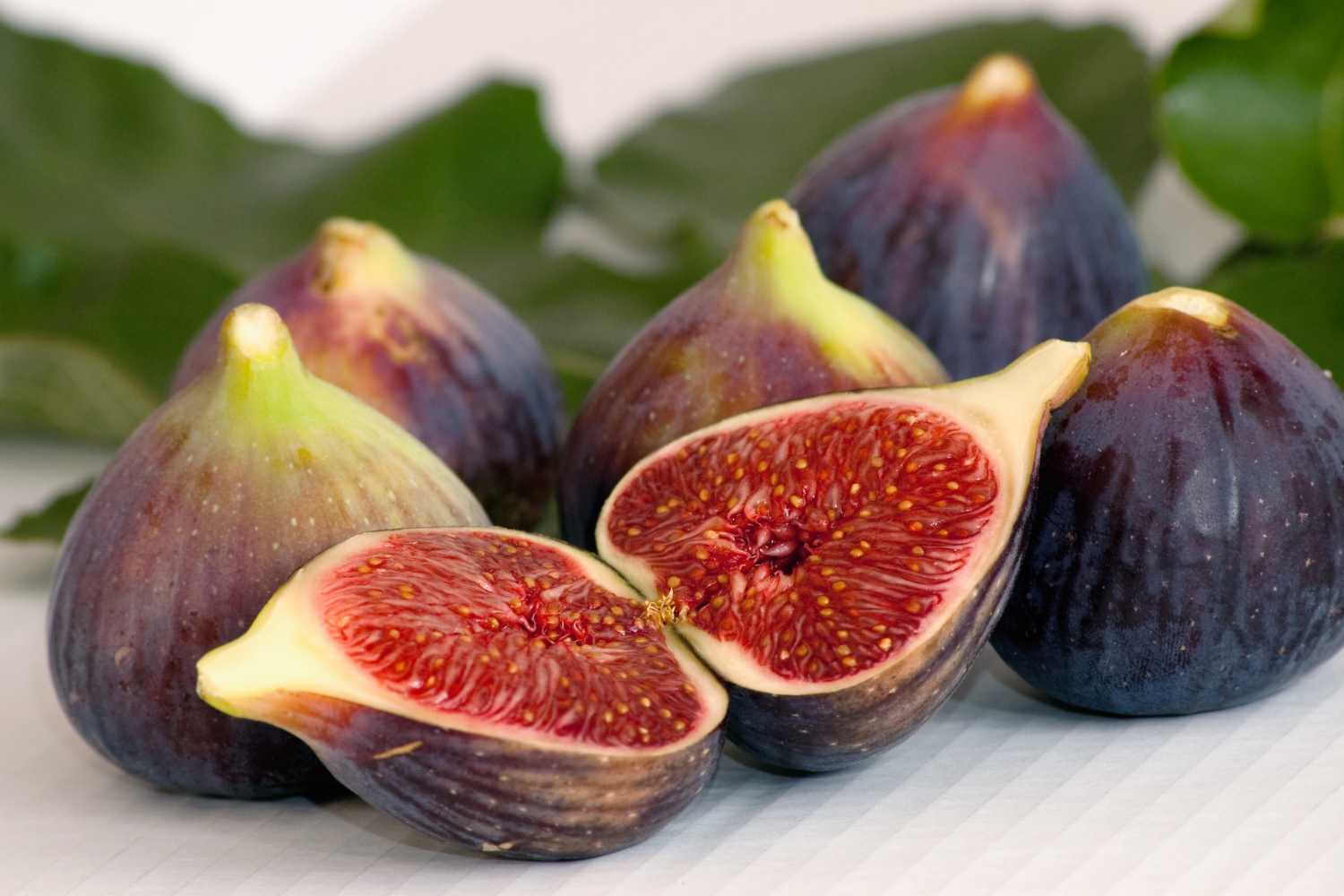
Summer brings with it an explosion of flavors and colors, and among the undisputed protagonists of the season there is the fig. Sweet, fleshy and irresistible, this fruit that reaches its maximum expression in August hides beneficial properties that go far beyond the sugary taste. If you know it only as a delicious accompaniment to raw ham, prepare to find out why the fig deserves a place of honor in your summer diet.
A fiber treasure for intestinal balance
The figs have a high content of food fibers, fundamental elements for the correct functioning of the digestive system. In fact, the fibers favor intestinal regularity and contain prebiotics, which nourish beneficial bacteria in the intestine: they are a very precious ally for anyone who wants to keep their intestinal microbiota healthy.
The mucilage present in the figs perform a particularly delicate action: they make the stool softer and more voluminous, facilitating their transit through the intestine. A property so effective as to become the subject of study: research has shown that the consumption of figs – for a period of four months – has caused a significant improvement in the symptoms of the irritable intestine with constipation: the frequency of evacuations has increased and the consistency of the reduced hard feces.
Prebiotics: invisible allies of health
The real secret of figs lies in the natural ability to feed the good bacteria of our intestine. The prebiotics present in these fruits act as real nourishment for the microbiota, aspect that favors the development of a balanced bacterial flora. As highlighted in a scientific revision of the National Institutes of Health, the prebiotic fibers of figs are fermented by the intestinal microbiota, producing short chain fatty acids that give benefits to the health of the guest. In practice, many concrete benefits: reduction of intestinal inflammation, better absorption of nutrients and strengthening of the immune system.
Natural energy and weight control
The figs offer immediate energy thanks to the content of natural sugars, but with only 47 calories per 100 grams of fresh product. The fibers present create a sense of satiety that helps to control the appetite, an aspect that makes the fig the perfect healthy snack: for sportsmen they represent a really ideal source of energy before physical activity.
Benefits that go beyond the intestine
The positive action of figs extends to the whole body. Potassium present helps to regulate blood pressure and balance of body fluids, contrasting water retention. Vitamins A, B1, B2 and B6, together with minerals such as calcium and iron, provide support for the nervous and muscle system.
The presence of antioxidants such as vitamin C, luteoline and quercitin gives figs natural antibacterial properties and contributes to protecting cells from premature aging, compounds that also strengthen the body’s immune defenses.
How to consume them at best
To obtain the maximum benefits, it is advisable to consume one or two fresh figs a day, to be consumed in the period in which they are available, that is, from June to August, with the peak in August. The figs lend themselves to multiple preparations: fresh as a snack, combined with fresh and seasoned cheeses, or transformed into delicious preserves.
When paying attention
In the face of the numerous benefits, there are some situations in which it is better to moderate consumption. Those suffering from irritable colon should avoid them since figs are rich in Fodmap, sugars that can cause intestinal fermentations. Even people with kidney problems, before eating them, should consult the doctor due to the content of oxalates.
Happy summer!
Don’t you want to lose our news?
