
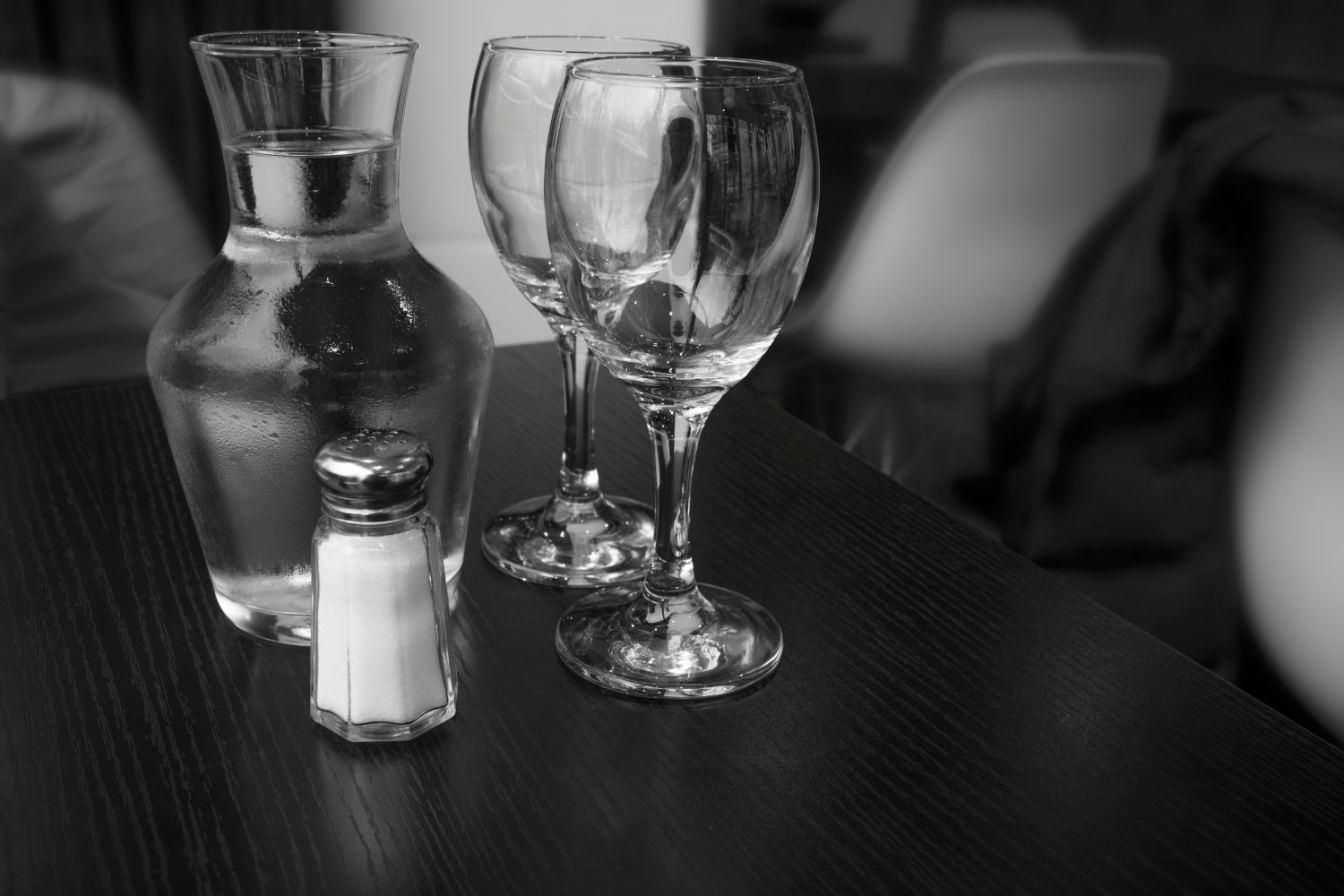
When we are served water in a carafe or bottle with the name or logo of the establishment at a bar or restaurant, it does not necessarily mean that it is mineral water bottled at the source. In many cases it can be drinking water from the public network, subjected directly in operation to one or more treatments, such as filtration, microfiltration, softening, refrigeration or carbonation, before being served to customers.
It is what is commonly called treated water. The starting water is therefore that of the aqueduct, already drinkable, but is modified through a special system before administration, for example to improve its taste, reduce some substances or make it natural or carbonated. Precisely because a treatment system comes into play, however, the system must also be correctly managed and subjected to the necessary maintenance.
And it is precisely on this aspect that the controls of the Nas Carabinieri have focused, who in July carried out an extensive campaign throughout Italy to verify the methods with which these waters are treated, bottled and served in bars and restaurants.
NAS controls on treated water
The campaign was conducted from 1 to 31 July 2026 by the Nas Carabinieri, in agreement with the Ministry of Health, with the aim of verifying how the so-called treated waters are bottled and administered in catering establishments.
During the operation, 272 inspections were carried out throughout Italy and 53 samples were taken for laboratory analysis.
The balance sheet highlighted 147 non-compliant situations, corresponding to 54% of inspections. Furthermore, 126 people were reported to the competent administrative and health authorities.
The irregularities found led to a total of 256 violations. One of these had criminal relevance and was contested for trading in food with false signs. The other 255 violations were of an administrative nature, with fines for a total amount of approximately 175 thousand euros.
The problems encountered by the NAS therefore did not only concern the characteristics of the water, but also various aspects related to its management and administration. Among the irregularities, incorrect indications for the sale and administration of non-prepackaged products were identified, as well as hygienic-structural, procedural and authorization deficiencies.
This is an important element for correctly interpreting the 54% figure: it does not mean that more than half of the water checked was contaminated or dangerous. The percentage refers to the non-compliant situations found during the inspections, which included different types of violations.
During the checks, 2 thousand liters of unfiltered drinking water and 7 non-compliant equipment used in water treatment were also seized.
For 10 companies, however, the suspension of activity was ordered due to hygienic-structural and/or authorization deficiencies. The overall commercial value of the activities affected by the provision was estimated at approximately 4.7 million euros.
Why filter maintenance is so important
The fact that the water comes from the public network and is drinkable does not mean that the treatment carried out subsequently in a bar or restaurant can be managed without particular precautions.
In fact, once it enters the system, the water must continue to comply with safety requirements. For this reason, correct maintenance of the equipment is essential: filters and other components, if not managed and replaced according to the established procedures, can themselves become a possible source of contamination.
The systems used in catering can include different systems, from filtration and microfiltration to treatment with activated carbon, up to reverse osmosis, refrigeration and carbonation. Each of these systems requires adequate management and periodic checks.
The NAS operation thus brings attention to a distinction that is often not very evident for those who consume water outside the home: treating water does not necessarily mean improving its quality.
The water arriving from the network is already subjected to the required checks to guarantee its drinkability. Further treatment may change characteristics such as taste, odor or the content of some components, but does not automatically make the water safer.
Indeed, if the plant is not maintained correctly, the treatment system can introduce new risks. It is precisely for this reason that, in addition to the quality of the incoming water, it is essential to consider how the equipment through which it passes before arriving in the customer’s glass is managed.
Sources: Nas / Ansa
