
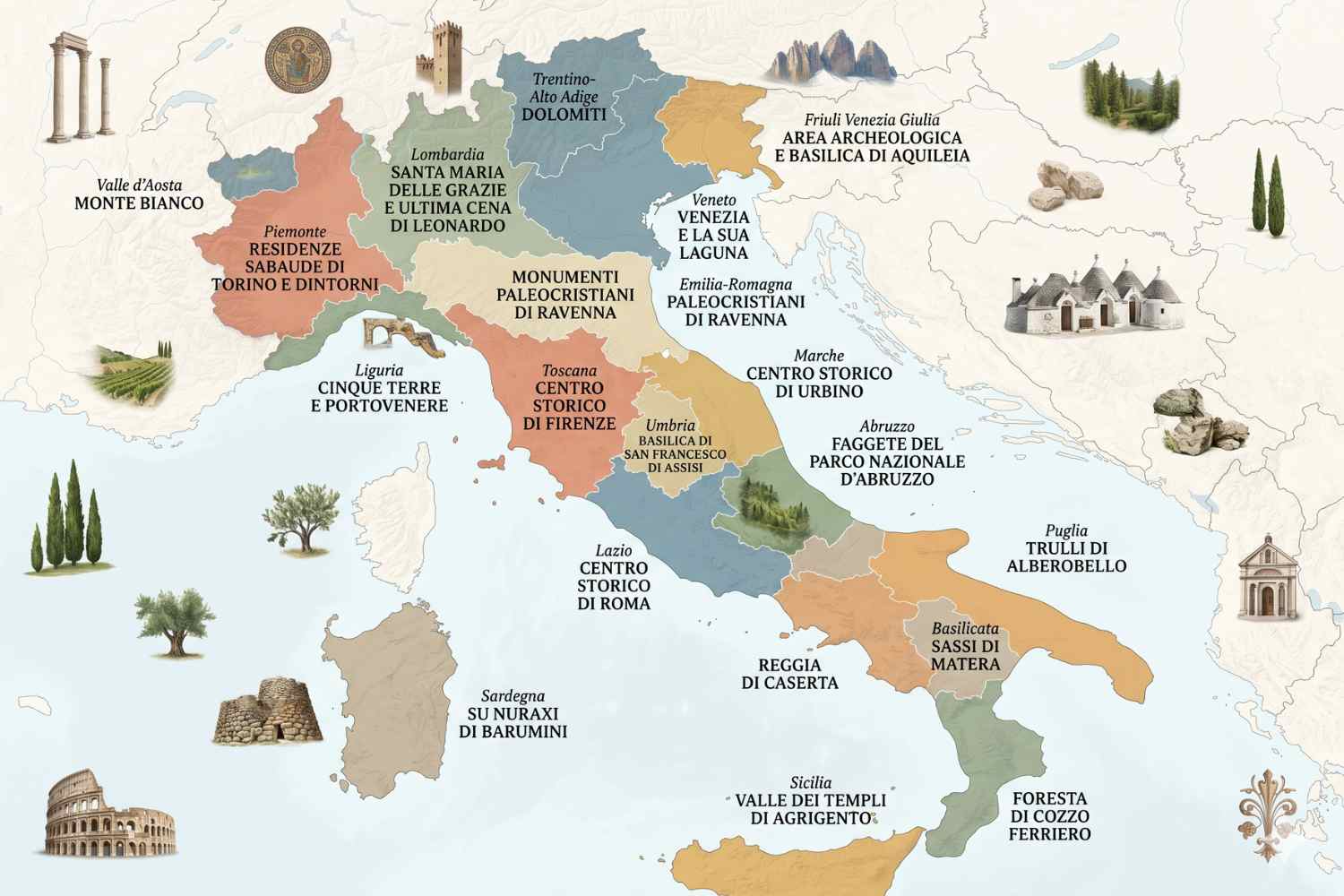
Since 1972, the year of the UNESCO Convention for the protection of the world’s cultural and natural heritage, there has been a list that collects places considered to be of “exceptional universal value”. Entering the World Heritage List means obtaining one of the most prestigious recognitions in the world for a cultural or natural site: not only for its artistic or landscape value, but also for its collective importance for all humanity.
Italy is today the country with the largest number of UNESCO sites in the world: in 2026 there will be 61 registered heritage sites, of which 55 are cultural and 6 are natural. A record that tells of the extraordinary concentration of art, history, biodiversity and cultural landscapes of the peninsula.
From Roman cities to medieval villages, from wine-growing landscapes to ancient forests, each Italian region preserves a piece of this global heritage.
Lombardy
Lombardy is one of the Italian regions with the largest number of UNESCO sites, ten. Among the most important are the rock carvings of Val Camonica, the first Italian UNESCO site recognized in 1979, with thousands of figures carved in stone by prehistoric Alpine populations.
In Milan the UNESCO heritage is represented by the Dominican Church and Convent of Santa Maria delle Grazie with “The Last Supper” by Leonardo da Vinci, one of the absolute masterpieces of art history.
The region is also home to the workers’ village of Crespi d’Adda, an extraordinary example of industrial archaeology, the Sacred Mountains of Piedmont and Lombardy, the fossiliferous site of Monte San Giorgio, the Renaissance cities of Mantua and Sabbioneta, the Rhaetian Railway in the Albula and Bernina landscape, the Lombard sites of Brescia, Castelseprio and Gornate Olona, the prehistoric pile-dwelling sites around the Alps and the Venetian Walls of Bergamo.
Veneto
Veneto is home to nine UNESCO sites and represents a perfect synthesis between art, architecture and landscape. The most famous is certainly Venice and its lagoon, one of the symbolic places of world heritage.
Among the most important recognitions there are also Vicenza and the Palladian villas of the Veneto, masterpieces of the architect Andrea Palladio, the City of Verona, the Botanical Garden of Padua and the frescoed cycles of the 14th century in Padua.
The naturalistic heritage is represented by the Dolomites, while the prehistoric pile-dwelling sites around the Alps, the Fortress of Peschiera del Garda and the Prosecco Hills of Conegliano and Valdobbiadene are also part of the list, an extraordinary example of a historical wine-growing landscape.
Emilia-Romagna
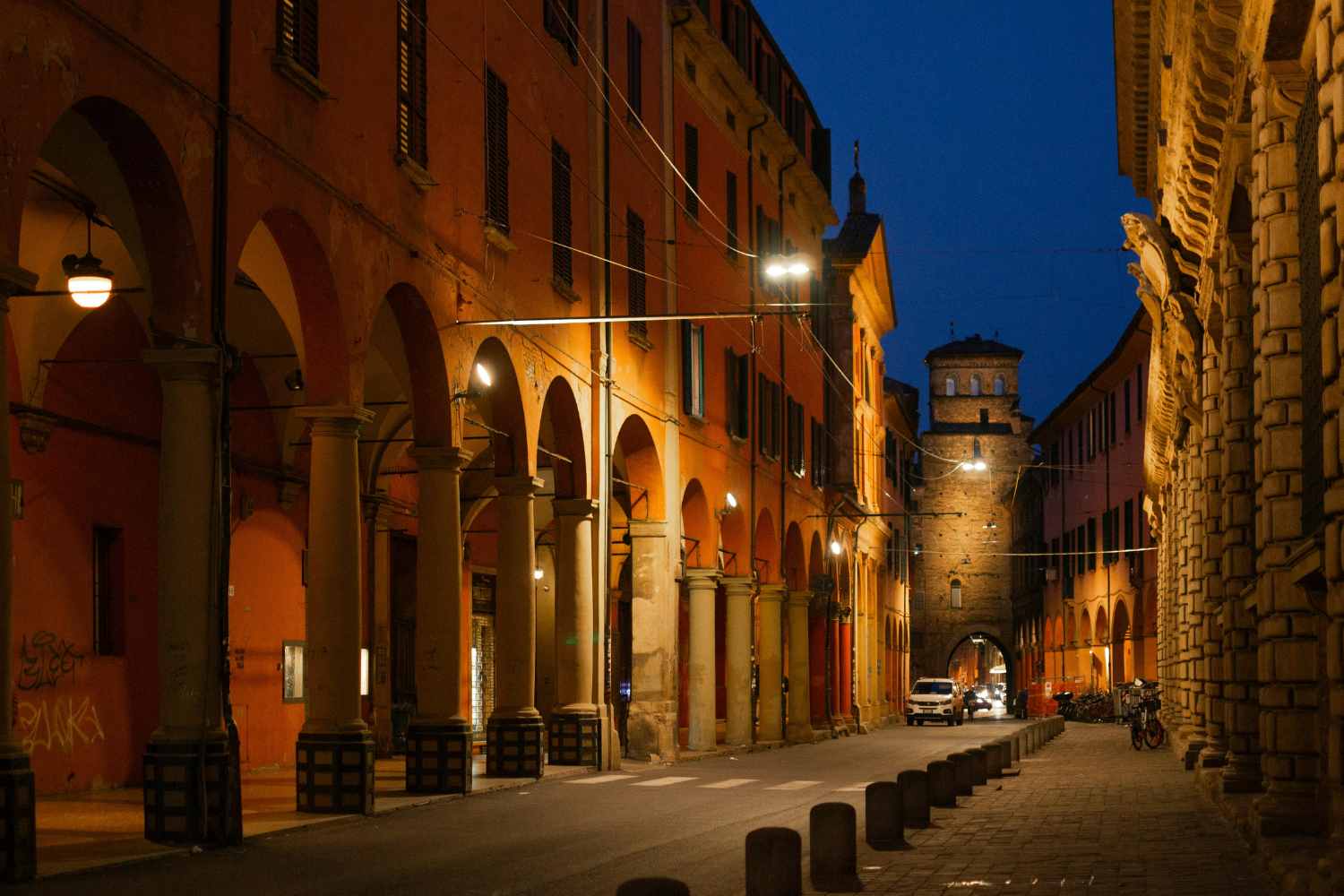
Emilia-Romagna concentrates six UNESCO heritage sites linked above all to Italian urban history. In Ferrara the recognition concerns Ferrara, city of the Renaissance and its Po delta, a perfect example of Renaissance urban planning.
Ravenna houses the famous early Christian monuments, including San Vitale and the Mausoleum of Galla Placidia, famous for its extraordinary Byzantine mosaics. In Modena the UNESCO heritage includes the Cathedral, Civic Tower and Piazza Grande.
In recent years the region has obtained new recognition thanks to the Portici of Bologna and the naturalistic site of the Karst and evaporite caves of the northern Apennines. The Sasso Fratino Forest, one of the oldest European old-growth forests, is also part of the UNESCO heritage.
Piedmont
Piedmont intertwines royal heritage, spirituality and wine-growing landscape. The famous Savoy Residences in Turin and its surroundings tell of the greatness of the dynasty that guided Italian unification.
The region is also home to the Sacred Mountains of Piedmont and Lombardy, some of the prehistoric pile-dwelling sites around the Alps, the wine-growing landscape of Langhe-Roero and Monferrato and Ivrea, an industrial city of the 20th century, symbol of the innovative vision of Adriano Olivetti.
Friuli Venezia Giulia
Borderland between the Latin, Slavic and Germanic worlds, Friuli Venezia Giulia preserves UNESCO heritage sites that tell of this cultural plurality. The most important is the archaeological zone and patriarchal basilica of Aquileia, one of the major Roman archaeological sites in Northern Italy.
Also part of the list are Cividale del Friuli, an important Lombard testimony, the Palmanova Fortress, the Dolomites and the pile-dwelling site of Palù di Livenza.
Liguria

@Gotta Be Worth It/Pexels
Liguria concentrates its UNESCO heritage between the sea and mercantile history. The most famous recognition concerns Portovenere, Cinque Terre and the islands of Palmaria, Tino and Tinetto, one of the most spectacular coastal landscapes in the Mediterranean.
Genoa is instead present in the list thanks to Le Strade Nuove and the system of Palazzi dei Rolli, symbol of the wealth of the Maritime Republic.
The region is also home to the Beigua Natural Park, recognized as a UNESCO Global Geopark.
Trentino Alto Adige
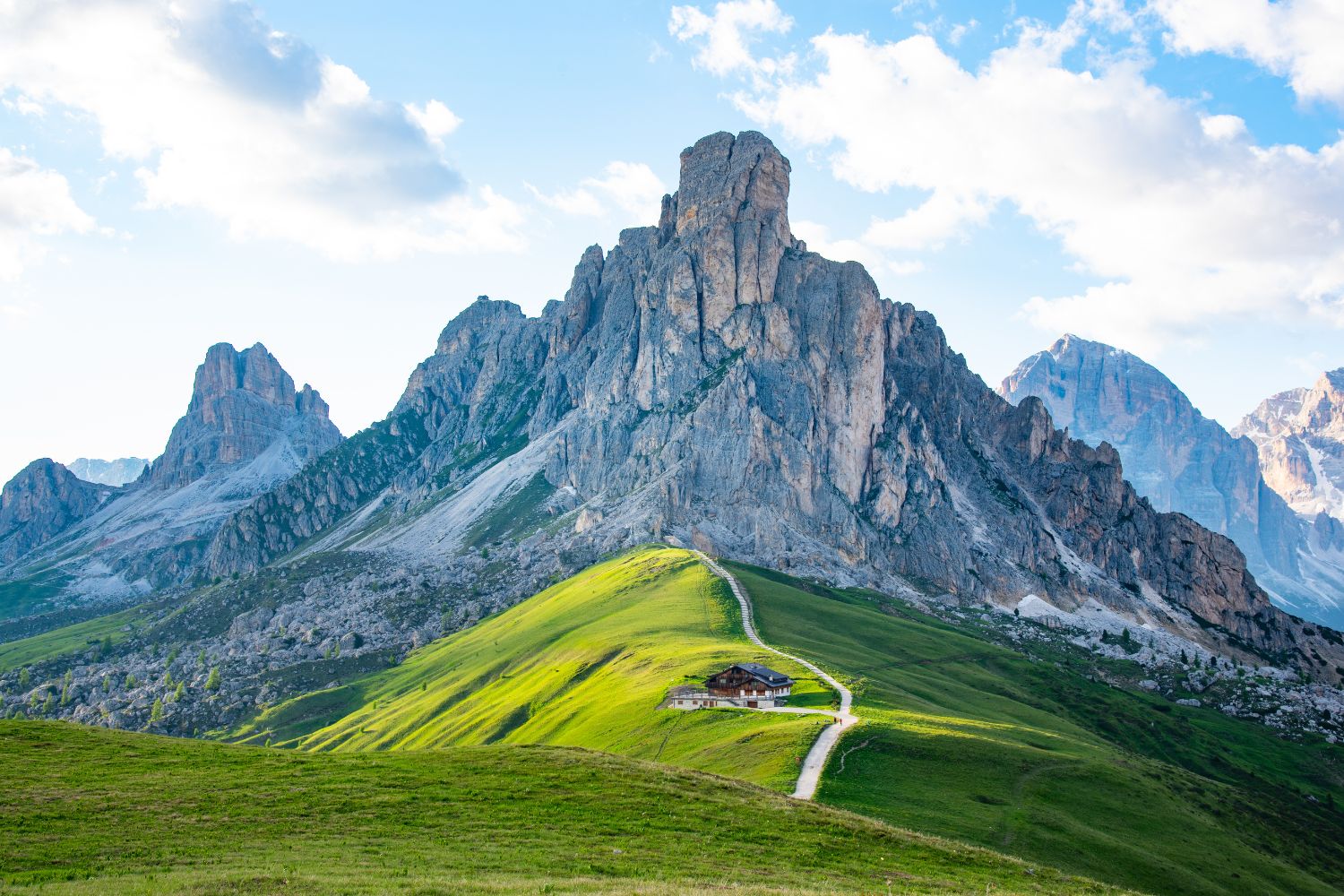
The UNESCO heritage of Trentino Alto Adige is deeply linked to the Alpine landscape. The absolute protagonists are the Dolomites, considered among the most beautiful mountains in the world.
The region is also home to some of the prehistoric pile-dwelling sites around the Alps, particularly those of Ledro and Fiavé.
Tuscany
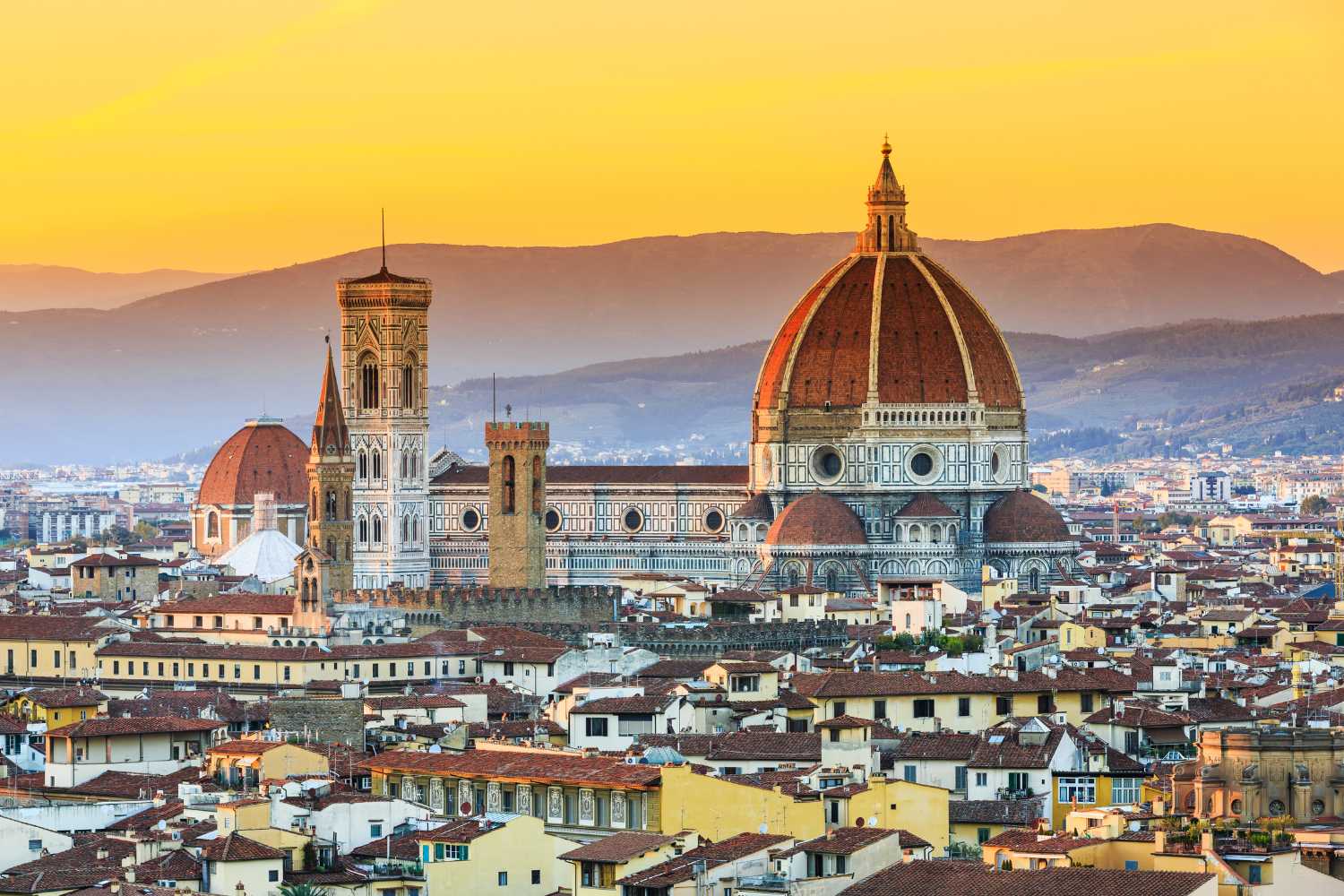
Tuscany is probably the Italian region that best represents Italy’s artistic heritage in the global imagination. Florence is present in the UNESCO list with its extraordinary historic center of Florence, considered the cradle of the Renaissance.
In Pisa the recognition concerns the famous Piazza dei Miracoli, while San Gimignano is famous for its medieval historic center dominated by towers.
The list also includes the historic center of Siena, the historic center of Pienza, the Val d’Orcia, the Medici villas and gardens in Tuscany and the Sasso Fratino Forest.
Lazio

Lazio holds some of the most famous UNESCO heritage sites in the world. Rome is present in the list with the Historic Center of Rome, the extraterritorial properties of the Holy See and the Basilica of Saint Paul Outside the Walls, one of the most important cultural sites on the planet.
In Tivoli there are two UNESCO heritage sites: Villa Adriana and Villa d’Este. The Etruscan necropolises of Cerveteri and Tarquinia and the ancient beech forests of Monte Raschio and Monte Cimino are also part of the list.
Umbria
Umbria links its UNESCO heritage above all to Franciscan spirituality. Assisi is present in the list with Assisi, the Basilica of San Francesco and other Franciscan places, a universal symbol of peace and spirituality.
The region also houses important Lombard remains such as the Church of San Salvatore and the Tempietto del Clitunno.
Marche
The Marche is represented by the historic center of Urbino, one of the cultural capitals of the Italian Renaissance and a symbolic city of the Montefeltro family.
Abruzzo
Abruzzo appears on the UNESCO list thanks to the beech forests of the Abruzzo, Lazio and Molise National Park, part of the European old-growth forests recognized by UNESCO.
Sicily
@Andrea Mosti/Pexels
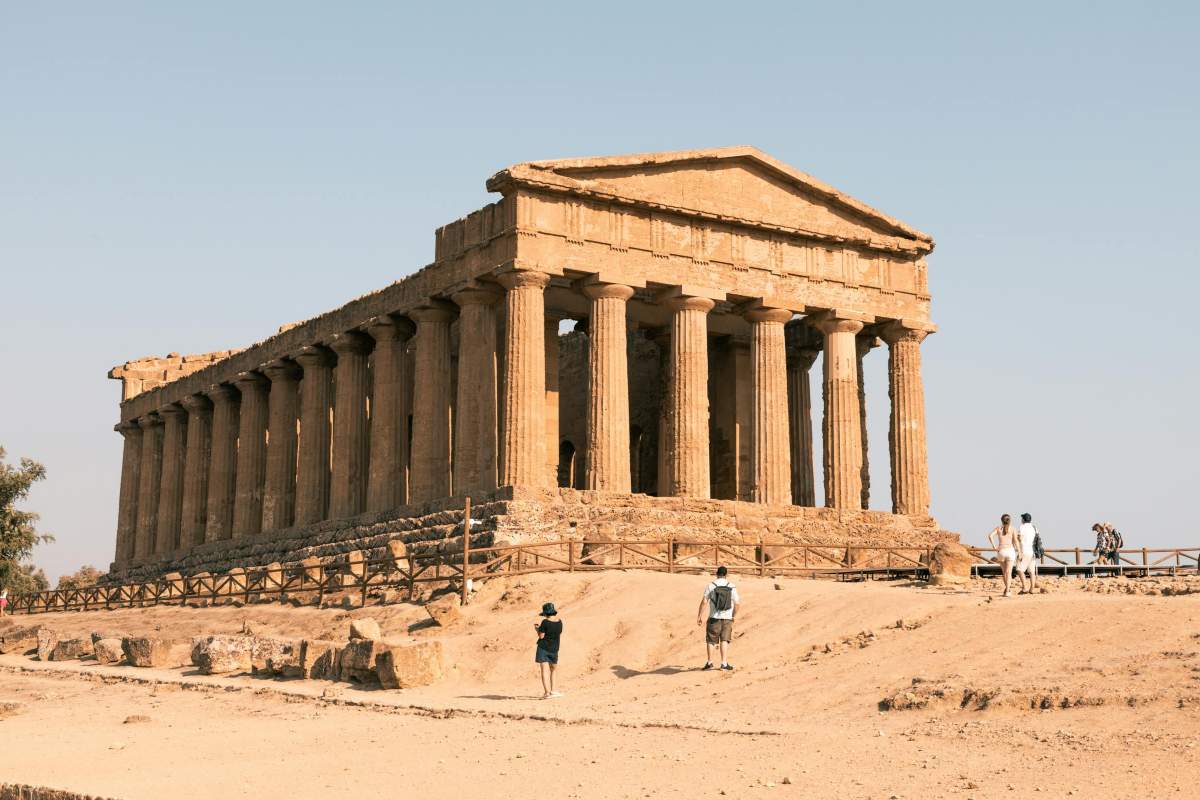
Sicily is one of the Italian regions with the richest and most stratified UNESCO heritage. The list includes the Roman Villa del Casale in Piazza Armerina, famous for its mosaics, and the Valley of the Temples in Agrigento, symbol of Magna Graecia.
The Aeolian Islands, the late Baroque cities of the Val di Noto, Syracuse and the rock necropolis of Pantalica, Mount Etna and the Arab-Norman Palermo site and the cathedrals of Cefalù and Monreale are also part of the UNESCO heritage.
Campania
©Reggia di Caserta/Facebook
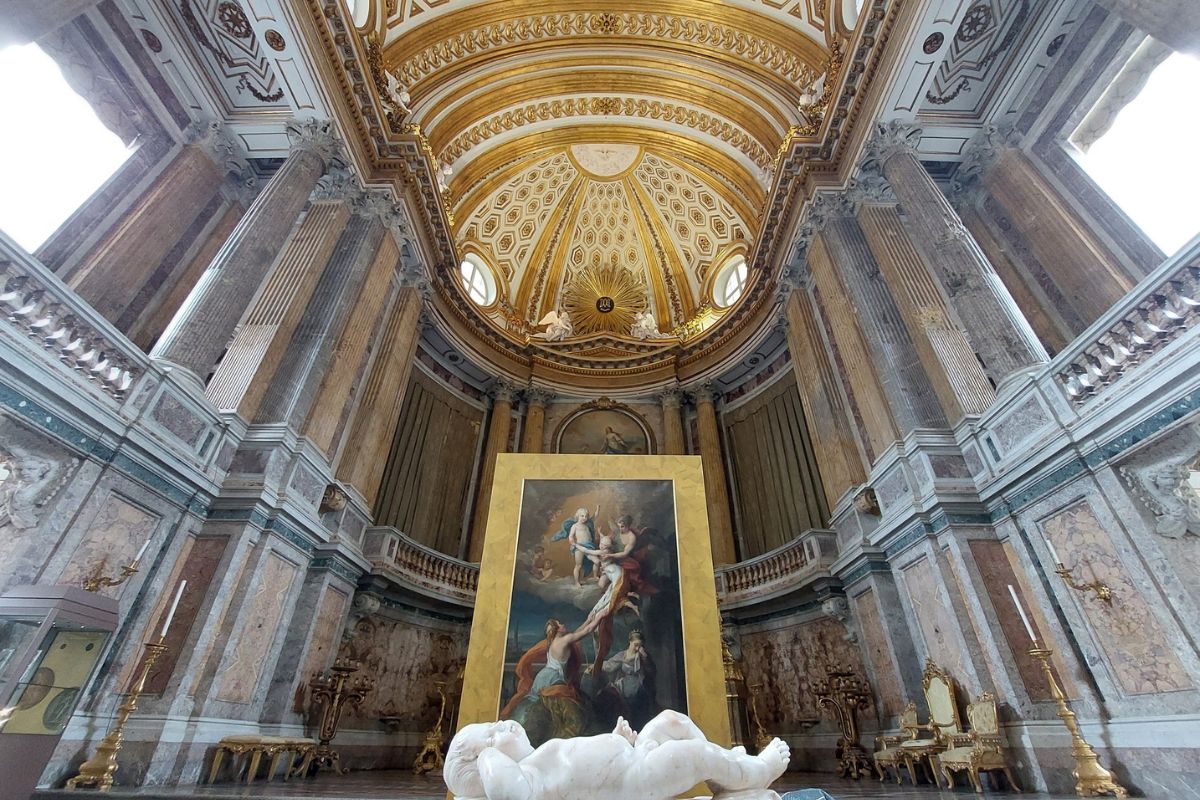
Campania is home to some of the most famous UNESCO sites in the world. Naples is present in the list with its extraordinary historic center of Naples.
The region is also home to the Royal Palace of Caserta with the park, the Carolino aqueduct and the San Leucio complex, the archaeological areas of Pompeii, Herculaneum and Torre Annunziata, the Amalfi Coast, the Cilento National Park, Vallo di Diano and Alburni with Paestum, Velia and the Certosa di Padula and the Lombard complex of Santa Sofia in Benevento.
Puglia
Puglia holds UNESCO heritage sites that describe the Mediterranean as a meeting place between cultures. The most famous is certainly Castel del Monte, the mysterious octagonal castle built by Frederick II.
The Trulli of Alberobello, the Sanctuary of San Michele Arcangelo, the Umbra Forest in the Gargano, the Alta Murgia and the Premurge are also part of the list.
The MurGeopark stands out for its extraordinary geological, natural and cultural heritage: a landscape shaped by karst, rich in sinkholes, caves, pastures and woods, which preserves traces of dinosaurs and evidence of the presence of prehistoric man.
The Alta Murgia National Park, covering over 68 thousand hectares and 13 municipalities between the provinces of Bari and Barletta-Andria-Trani, hosts habitats of great naturalistic value, including prairies with spontaneous orchids and sub-steppe paths. The UNESCO recognition enhances a territory in which biodiversity, geodiversity and millenary history coexist with the rural landscape characterized by stone farms and dry stone walls.
Basilicata
Basilicata is best known thanks to the Sassi and the Park of the Rock Churches of Matera, one of the most extraordinary urban landscapes on the planet.
The region is also home to the Cozzo Ferriero Forest in the Pollino National Park, an important forest ecosystem in Southern Italy.
Calabria
Calabria appears on the UNESCO list thanks to the Cozzo Ferriero Forest in the Pollino National Park, shared with Basilicata.
Sardinia
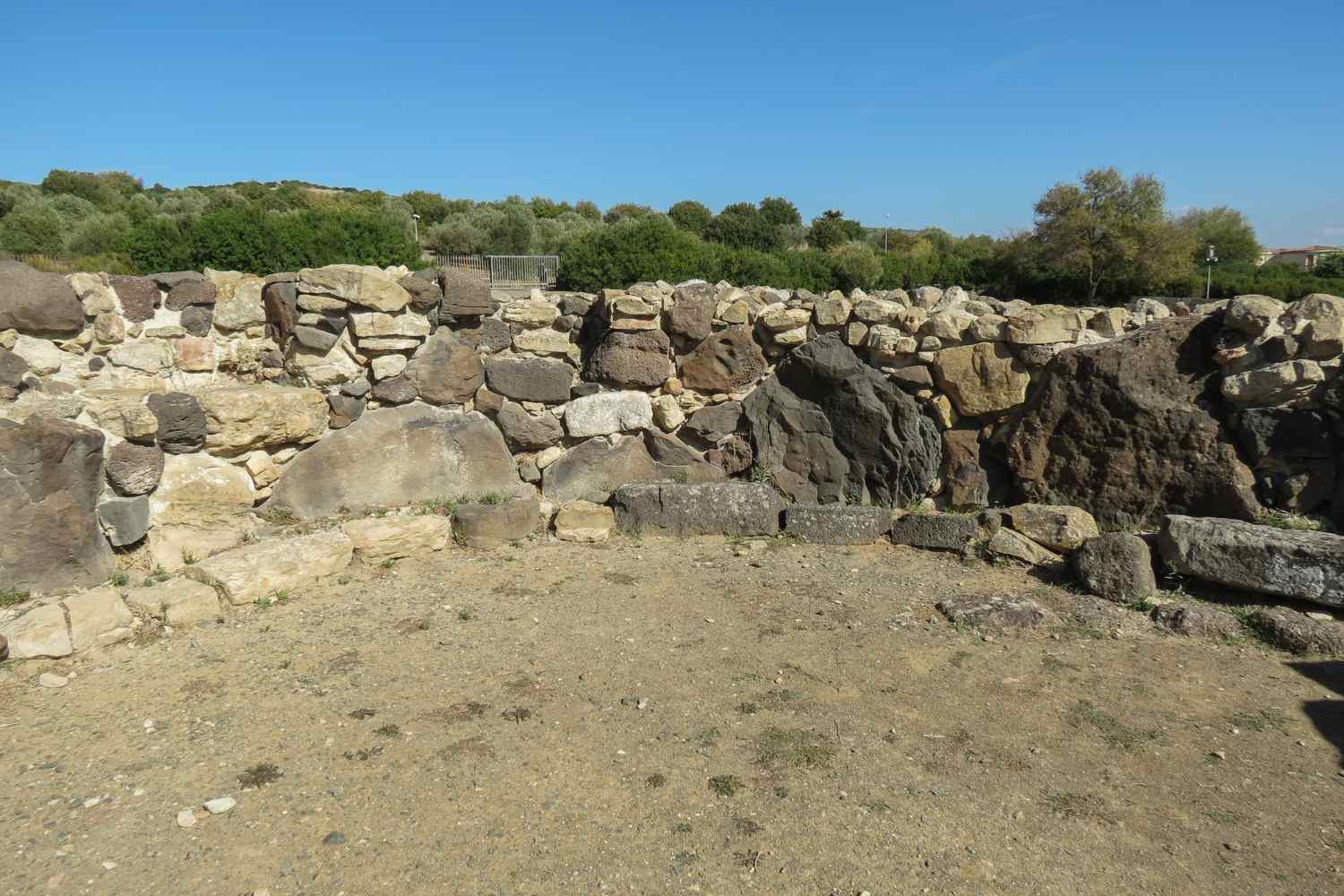
Sardinia holds Su Nuraxi di Barumini, the most important Nuragic complex on the island and symbol of the Nuragic civilisation.
A heritage to be protected
Italy’s UNESCO heritage sites are not simply tourist attractions. They are living places, often fragile, which preserve biodiversity, historical memory, cultural identity and landscapes built over the centuries.
Alongside World Heritage sites, UNESCO also protects intangible heritage, geoparks, biosphere reserves, creative cities and archives of collective memory. A system that today represents one of the most important international tools for defending culture, environment and diversity in an increasingly standardized world.
