
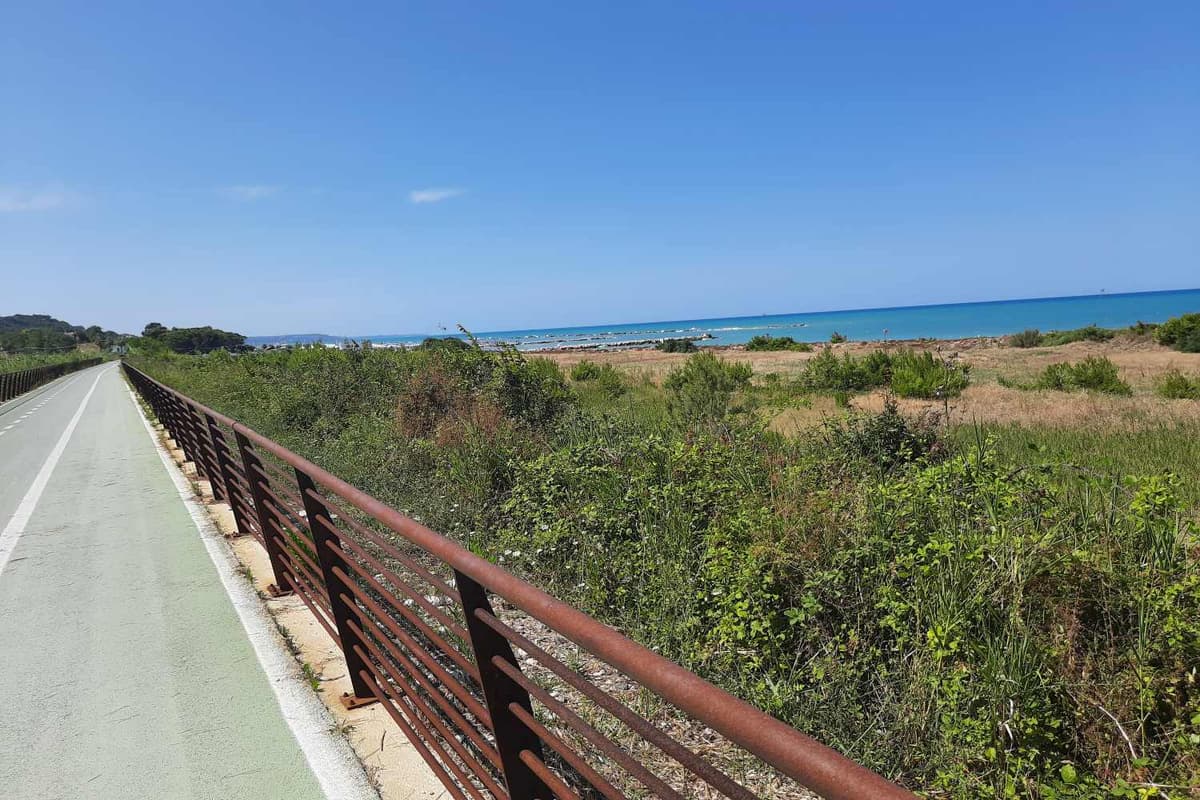
When we planned our summer holiday, we wanted an experience that combined the uncontaminated beauty of nature with the charm of local history and traditions. The Costa dei Trabocchi, in Abruzzo, proved to be the perfect destination to make this dream come true. We organized our days following a slow and regenerating rhythm: during the sunny hours we dedicated ourselves to active exploration of the coast, getting on our bicycles to travel along the spectacular cycle/pedestrian path close to the sea, while in the evening, when the air became cooler and the lights lit up, we let ourselves be conquered by the magical atmosphere of the historic villages of the hinterland and the coast. This alternation between sea and culture allowed us to experience a complete, intense holiday full of unforgettable views.
The Via Verde dei Trabocchi: the cycle path project between history and sustainability
The Via Verde of the Costa dei Trabocchi is one of. This cycle/pedestrian path, one of the most fascinating sustainable mobility works in Europe, uses the route of the ancient railway line which was decommissioned in 2006 after 150 years of activity, transforming the old tracks into a ribbon of asphalt and gravel that is perfectly flat and accessible to any type of bicycle. The complete itinerary winds for approximately 42 kilometers along the Abruzzo coast of the province of Chieti, connecting 9 municipalities from Ortona to the old Vasto station. A unique route managed in complete safety between tunnels dug into the rock and bridges overlooking the sea, destined to become the backbone of the wider Adriatic Green Corridor, the great cycle path designed to connect Trieste to Salento.
@RebeccaManzi/GreenMe
Cycling on the Via Verde and the magic of sunsets over the sea
The heart of our adventure on two wheels was the Via Verde, the extraordinary cycle/pedestrian path created from the old railway line which was abandoned in 2006 after 150 years of activity. The project transformed the old tracks into a ribbon of asphalt and gravel that is perfectly flat and accessible to any type of bicycle.
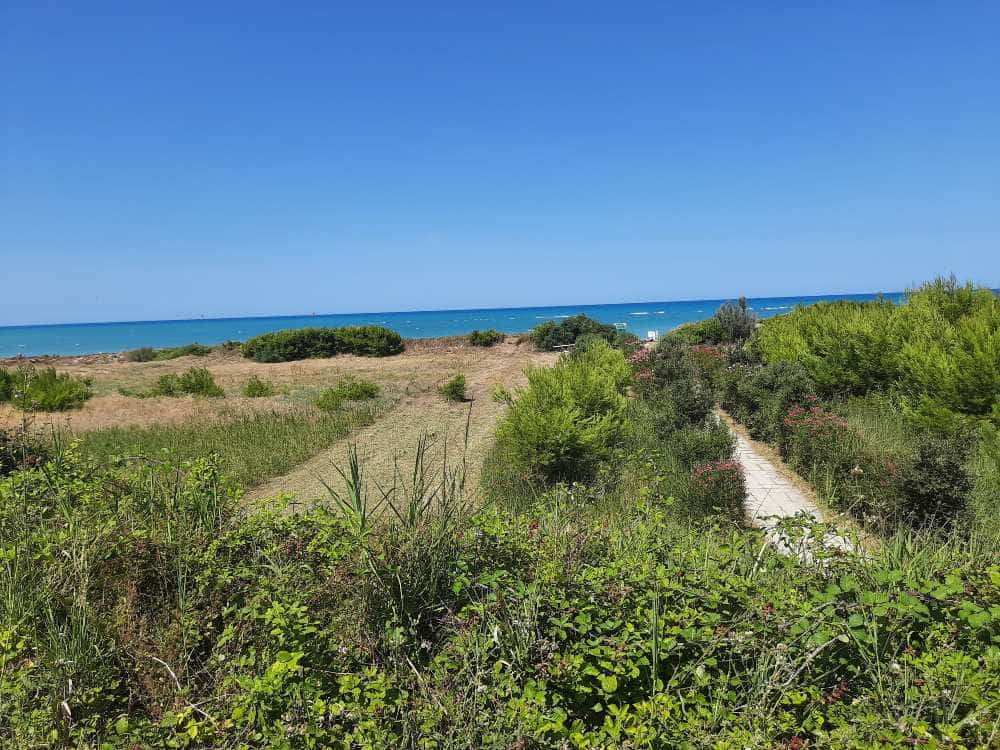
This cycle/pedestrian path, one of the most fascinating sustainable mobility works in Europe, winds for approximately 42 kilometers along the Abruzzo coast of the province of Chieti, connecting 9 municipalities from Ortona to the old Vasto station. A unique route managed in complete safety between tunnels dug into the rock and bridges overlooking the sea, destined to become the backbone of the wider Adriatic Green Corridor, the great cycle path designed to connect Trieste to Salento. The most suggestive stretch is certainly the one that winds between San Vito Chietino and Fossacesia, where the track runs a few meters from the water.
@RebeccaManzi/GreenMe
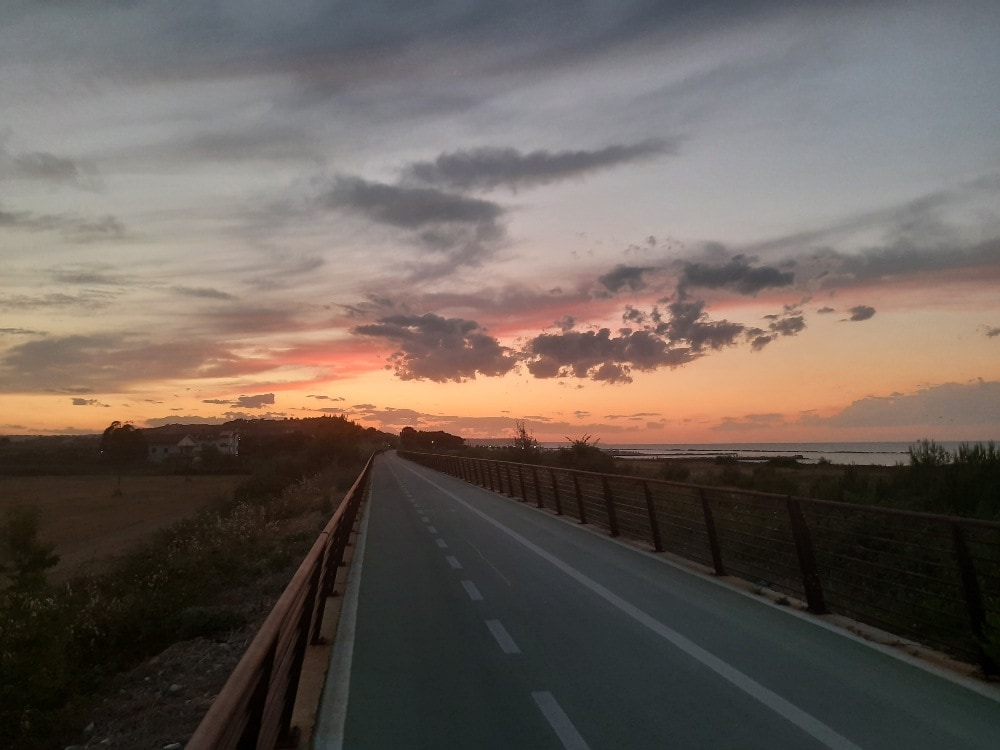
Cycling with the sea breeze on your face, surrounded by Mediterranean scrub and old stations reborn as refreshment and bike rental points, was fantastic, but the greatest spectacle came when the sun went down. Towards the evening, stopping along the panoramic points, we admired the sky and the sea being tinged with shades of pink, purple and orange: spectacular sunsets that looked like real paintings painted on the horizon line.
@RebeccaManzi/GreenMe
The trabocchi, the enormous wooden architecture suspended over the sea
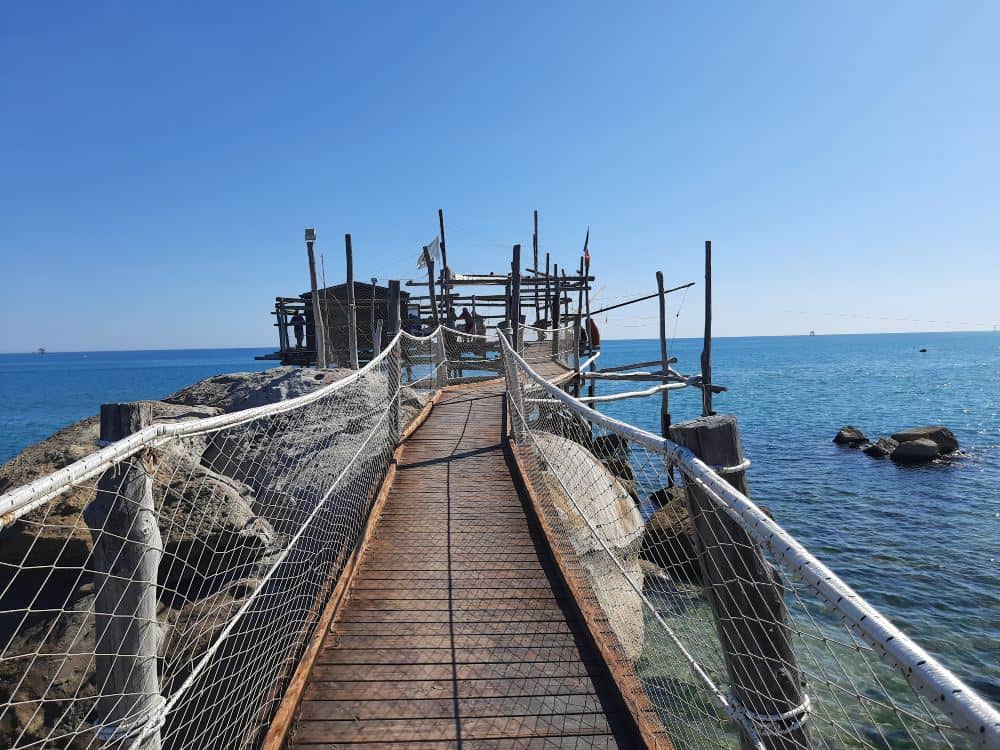
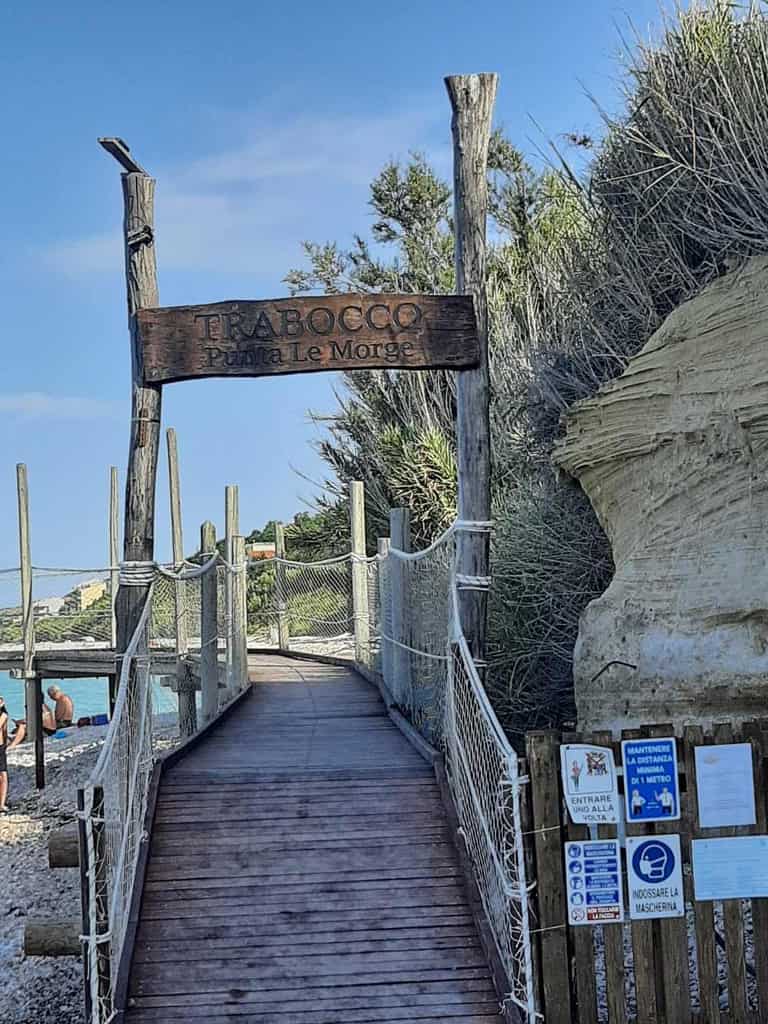
What makes this landscape and this cycle path unique in the world is the presence of trabocchi, wonderful and ingenious wooden architecture suspended over the sea. Connected to the mainland by narrow walkways suspended over the water and equipped with long arms called antennas, these structures support large, tightly woven nets, called scales, which were lowered into the water to catch fish without having to venture into the open sea.
@RebeccaManzi/GreenMe
Gabriele d’Annunzio defined them with immense poetry colossal spidersdescribing its immobile charm on the waves. Today many of these wooden giants have been transformed into characteristic seaside restaurants. During our ride we came across one of the most evocative and best looked after, the Trabocco Punta Le Morge in Torino di Sangro which literally captivated us, remaining enchanted by its majestic structure which stands proud among the transparent waters and cliffs.
@RebeccaManzi/GreenMe
Rocca San Giovanni: Heroes’ Square and flower-lined alleys
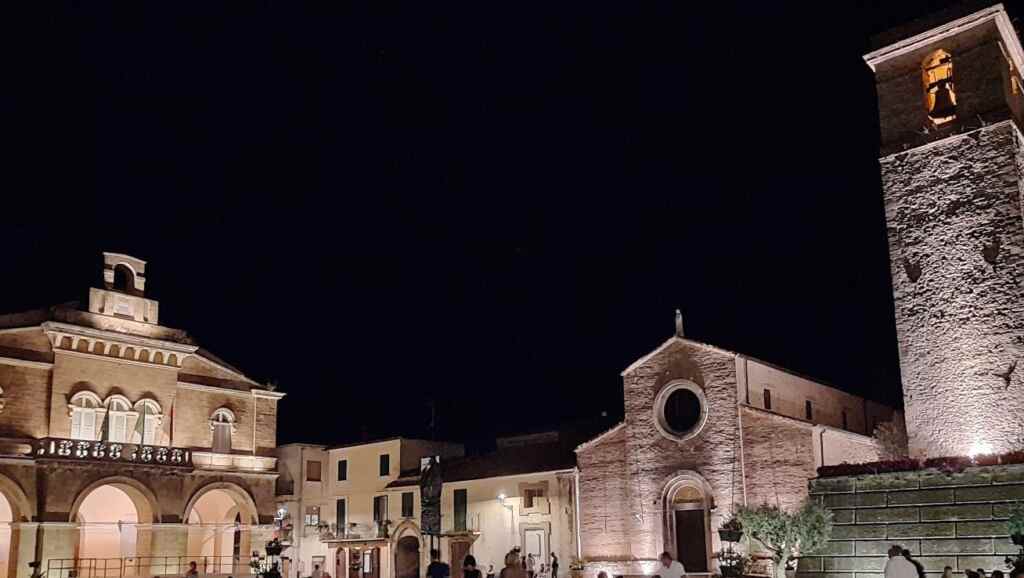
Then in the evening it was time to discover the villages. The first one we visited was Rocca San Giovanni, included among the most beautiful villages in Italy and founded around the year one thousand by Abbot Oderisio II on a rocky spur. Our walk started from Piazza degli Eroi, the city’s living room dominated by the neo-medieval style Town Hall, the Bell Tower and the Church of San Matteo Apostolo.
@RebeccaManzi/GreenMe
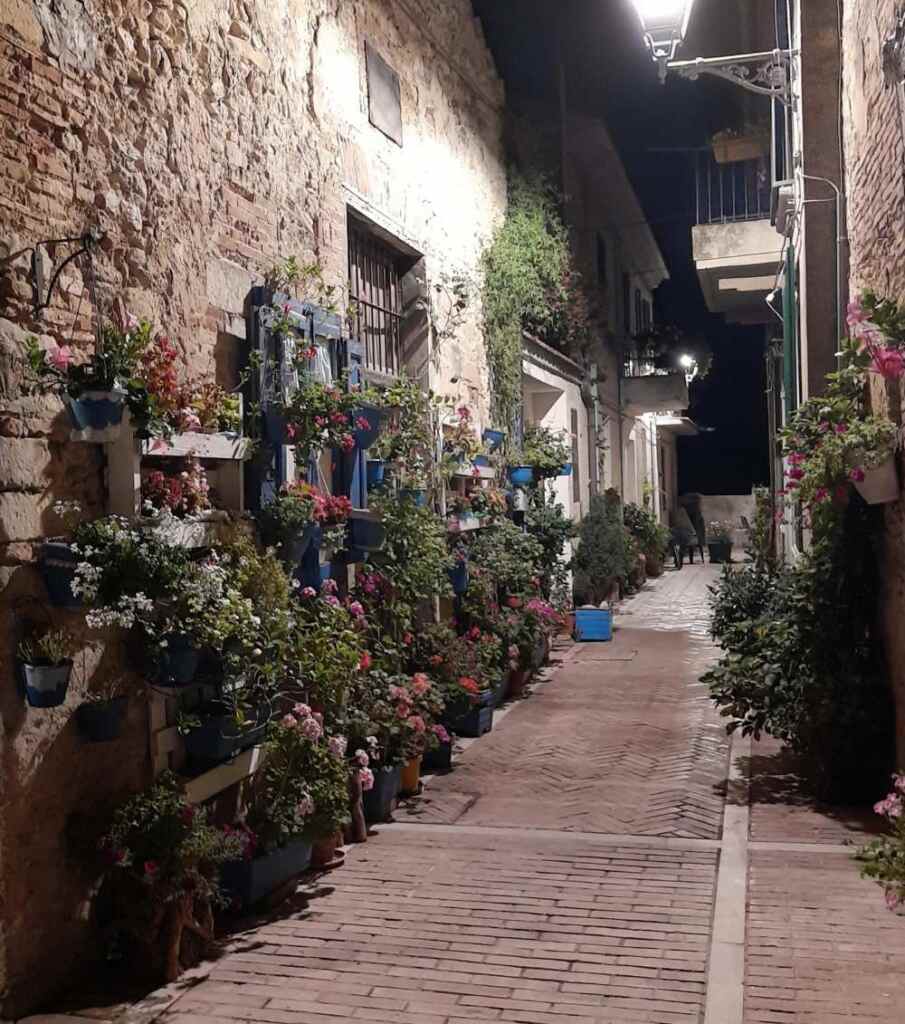
Walking along Via Abate Odorisio, we admired the remains of the medieval walls and the Torrione dei Filippini, and then got lost among the picturesque flower-filled alleys lovingly cared for by the inhabitants with the street furniture project, until we reached the panoramic terrace which offers a breathtaking view over the entire valley.
@RebeccaManzi/GreenMe
Ortona: the Aragonese Castle and the Cathedral of San Tommaso
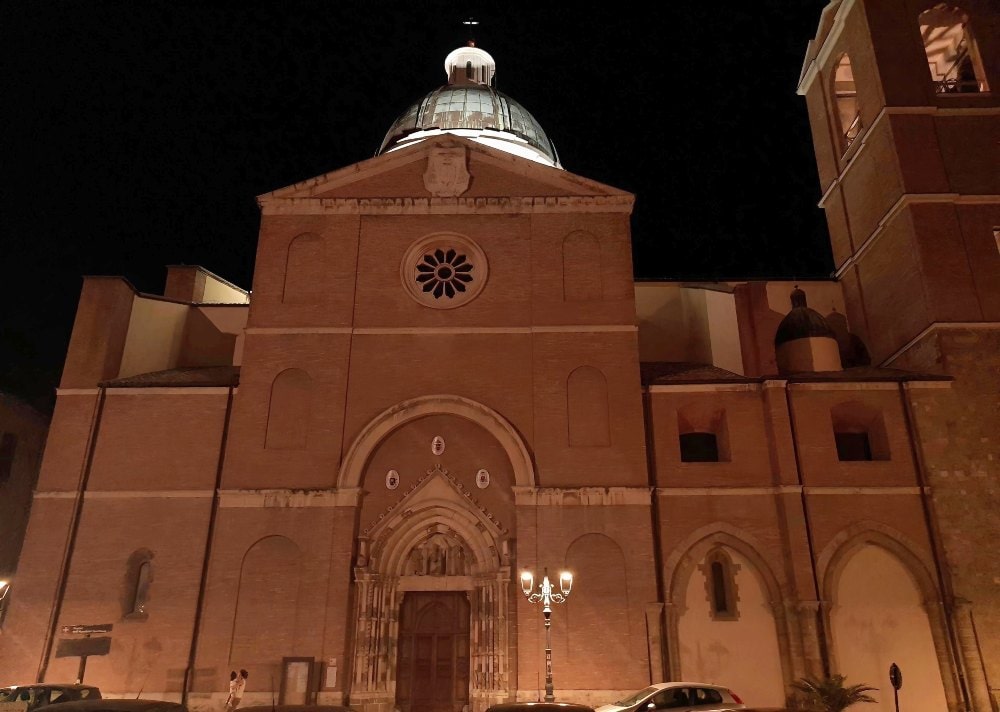
Our journey through the beauties of Abruzzo continued with a visit to Ortona, a town with a thousand-year history linked to its port and the panoramic view of the Majella. In the medieval district of Terravecchia we visited the Cathedral of San Tommaso Apostolo, which houses the crypt with the relics of the saint and the tombstone from the third century.
@RebeccaManzi/GreenMe
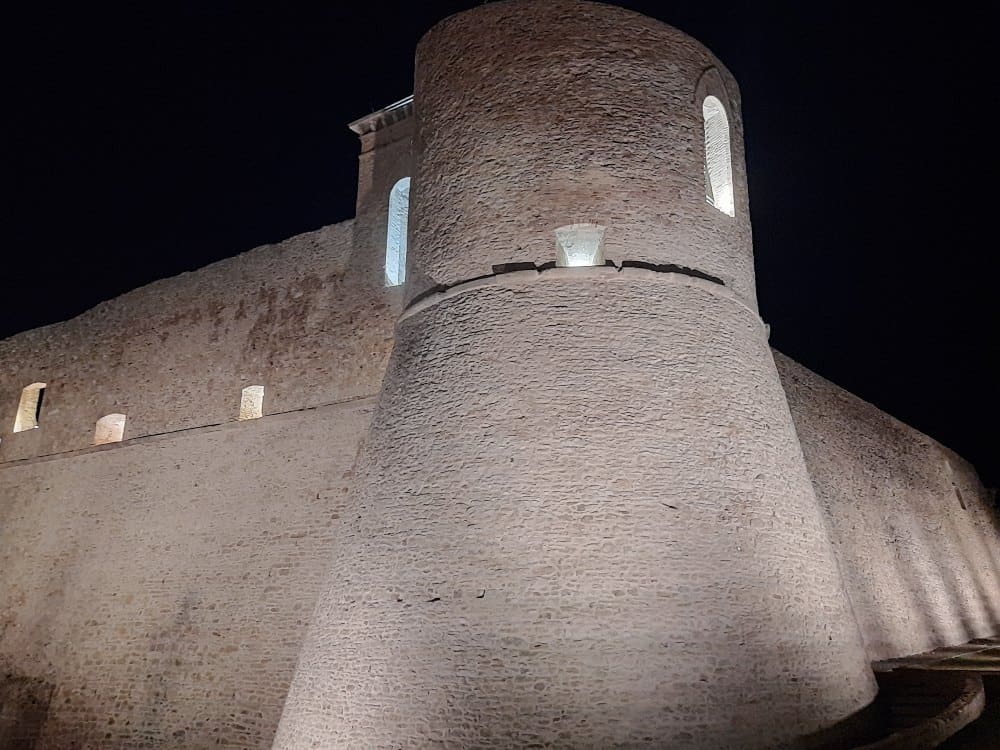
Not far away, we were enchanted by the majestic Aragonese Castle, perched overlooking the sea with its imposing cylindrical towers and internal garden. During the evening we walked admiring the ancient Diocesan Library of San Domenico, the Musical Museum of Abruzzo in Palazzo Corvo and the Renaissance lines of the historic Palazzo Farnese.
@RebeccaManzi/GreenMe
Fossacesia: the majesty of the Abbey of San Giovanni in Venere
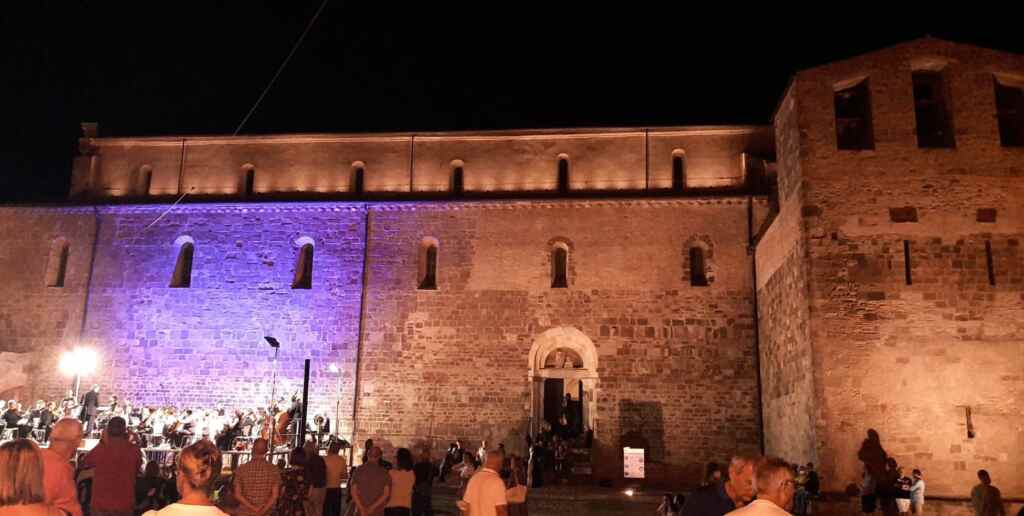
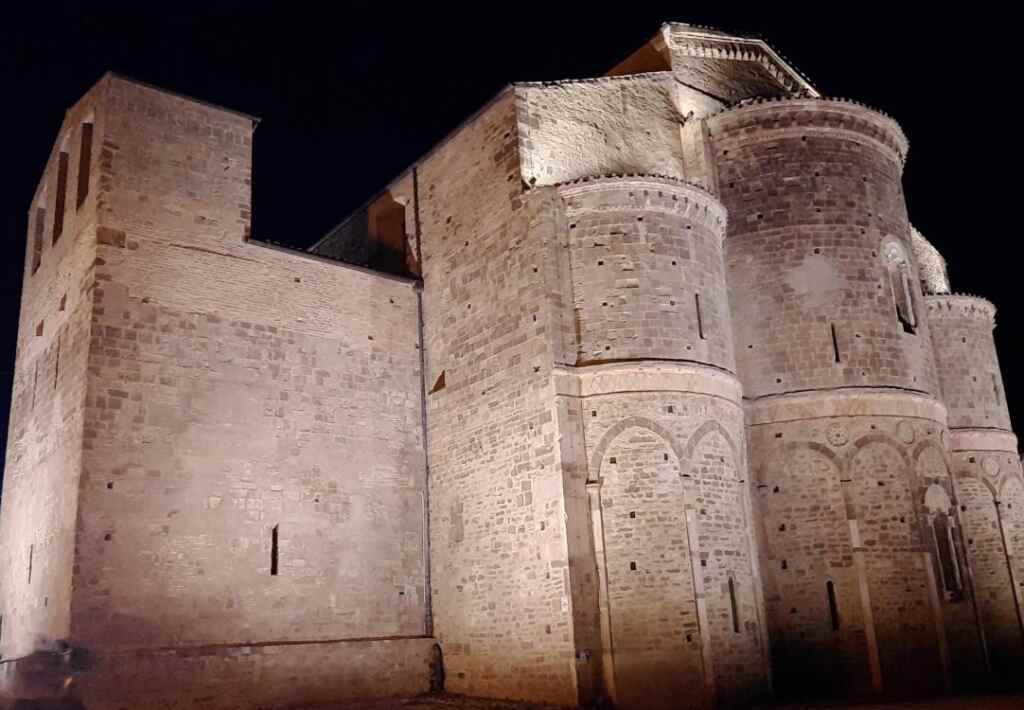
Arriving in Fossacesia, our evening was tinged with mysticism and solemnity thanks to a visit to the splendid Abbey of San Giovanni in Venere, which stands on a panoramic hill overlooking the entire coast. Built in the sixth century on the remains of an ancient pagan temple and enlarged in the twelfth century, the abbey is admired for its austere brick and sandstone architecture.
@RebeccaManzi/GreenMe
We contemplated with wonder the famous Porta della Luna with its sculpted lunette, the suggestive frescoed crypt and the quiet of the fourteenth-century cloister, experiencing a moment of authentic serenity immersed among the olive trees and the scent of the Mediterranean scrub.
@RebeccaManzi/GreenMe
Lanciano: the village of miracles with the Cathedral of Santa Maria del Ponte
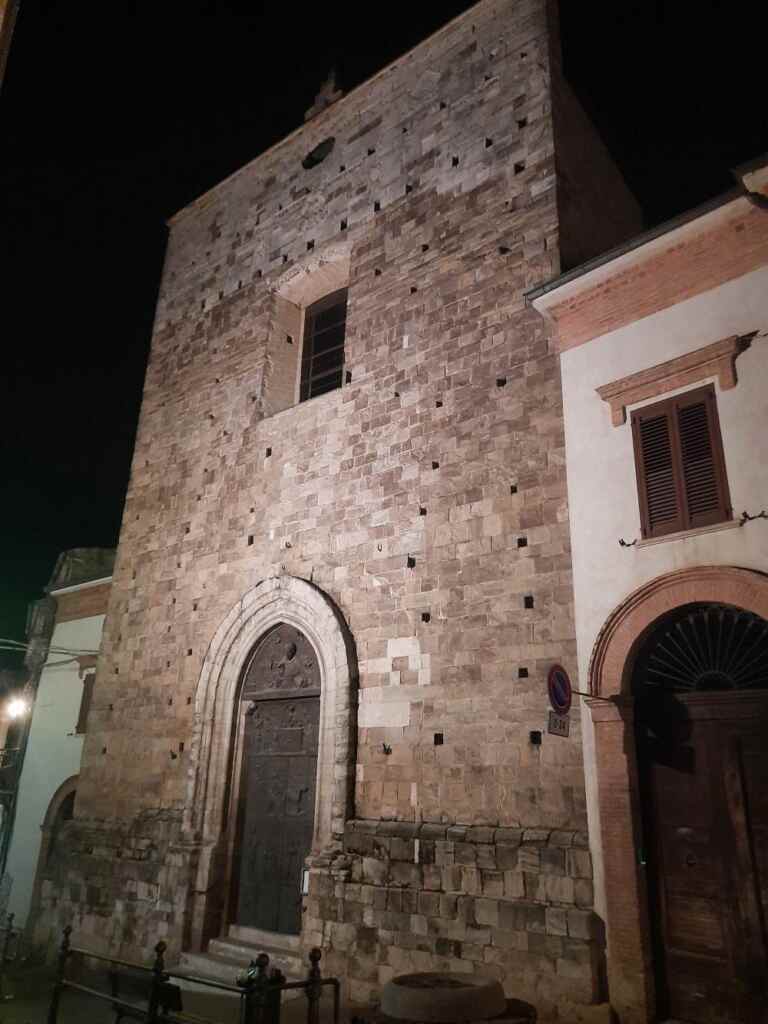
Moving slightly inland we explored Lanciano, an ancient town known as the village of miracles. The first stop was the Church of San Francesco d’Assisi, a place of profound devotion which houses the relics of the famous Eucharistic Miracle of the eighth century.
@RebeccaManzi/GreenMe
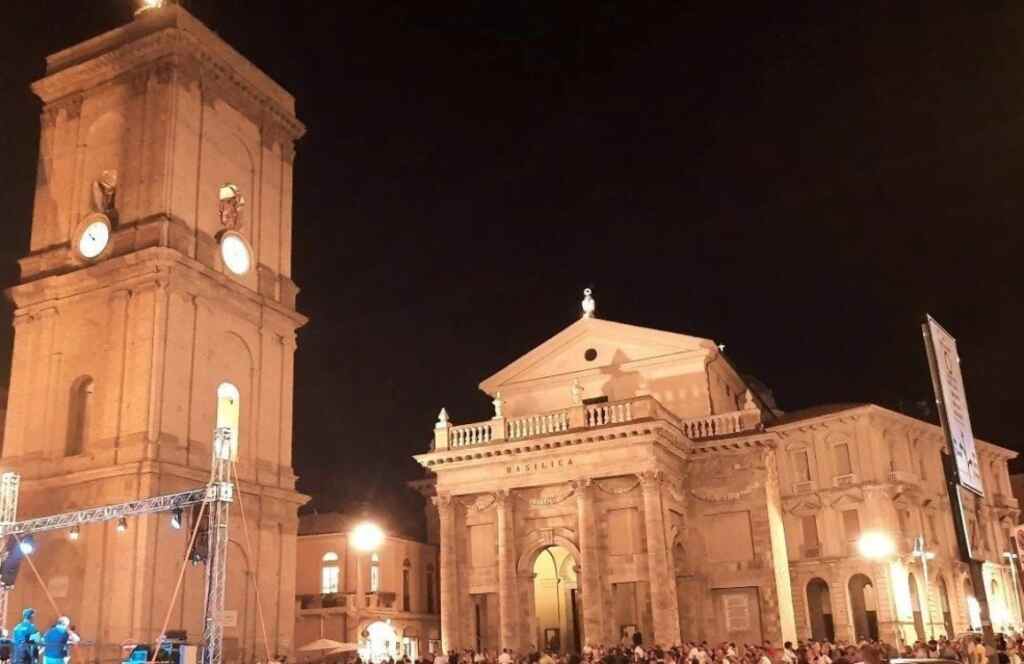
Walking along the Lanciano Vecchia district, we were fascinated by the ancient medieval shops of the fourteenth century with their characteristic stone arches, by the majestic Cathedral of Santa Maria del Ponte built on a Roman bridge and by the remains of the city walls dominated by the imposing Montanare towers.
@RebeccaManzi/GreenMe
Vasto: the Caldoresco Castle and the Cathedral of San Giuseppe
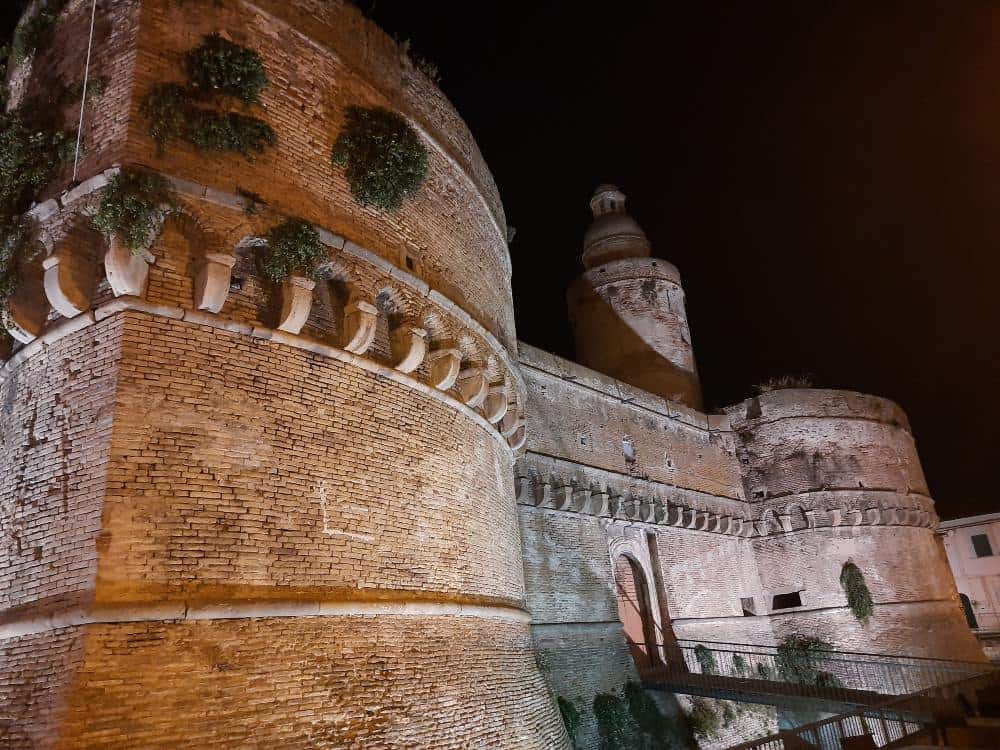
Our holiday ended in splendid Vasto, the southern gem of the coast. We got lost in the alleys of the historic center arriving in Piazza Gabriele Rossetti, dominated by the statue of the poet and the fifteenth-century Torre di Bassano. We then admired the imposing Caldoresco Castle and the splendid Palazzo d’Avalos, famous for its elegant Neapolitan Garden and its internal museums.
@RebeccaManzi/GreenMe
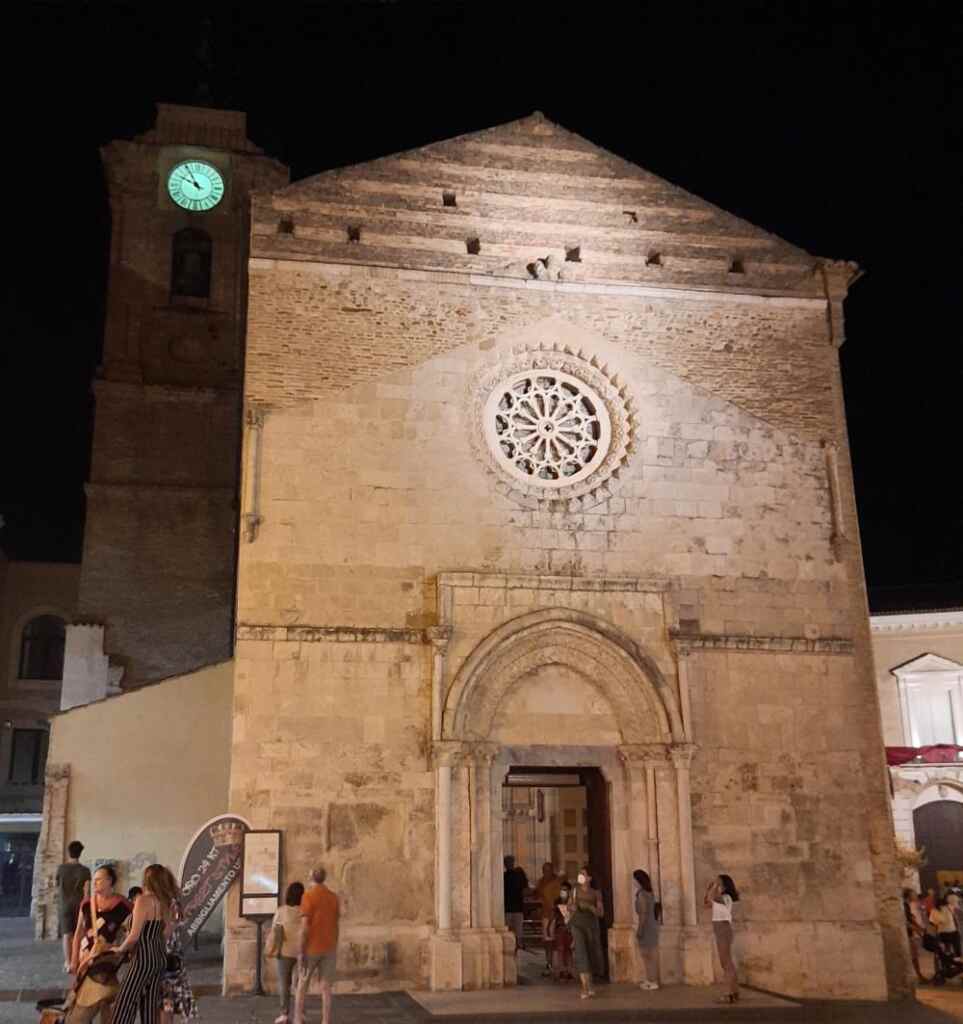
After a stop in front of the fourteenth-century façade of the Cathedral of San Giuseppe, we ended the evening walking along the panoramic Loggia Amblingh, greeting the Costa dei Trabocchi with an enchanted gaze over the Golden Gulf.
@RebeccaManzi/GreenMe
