
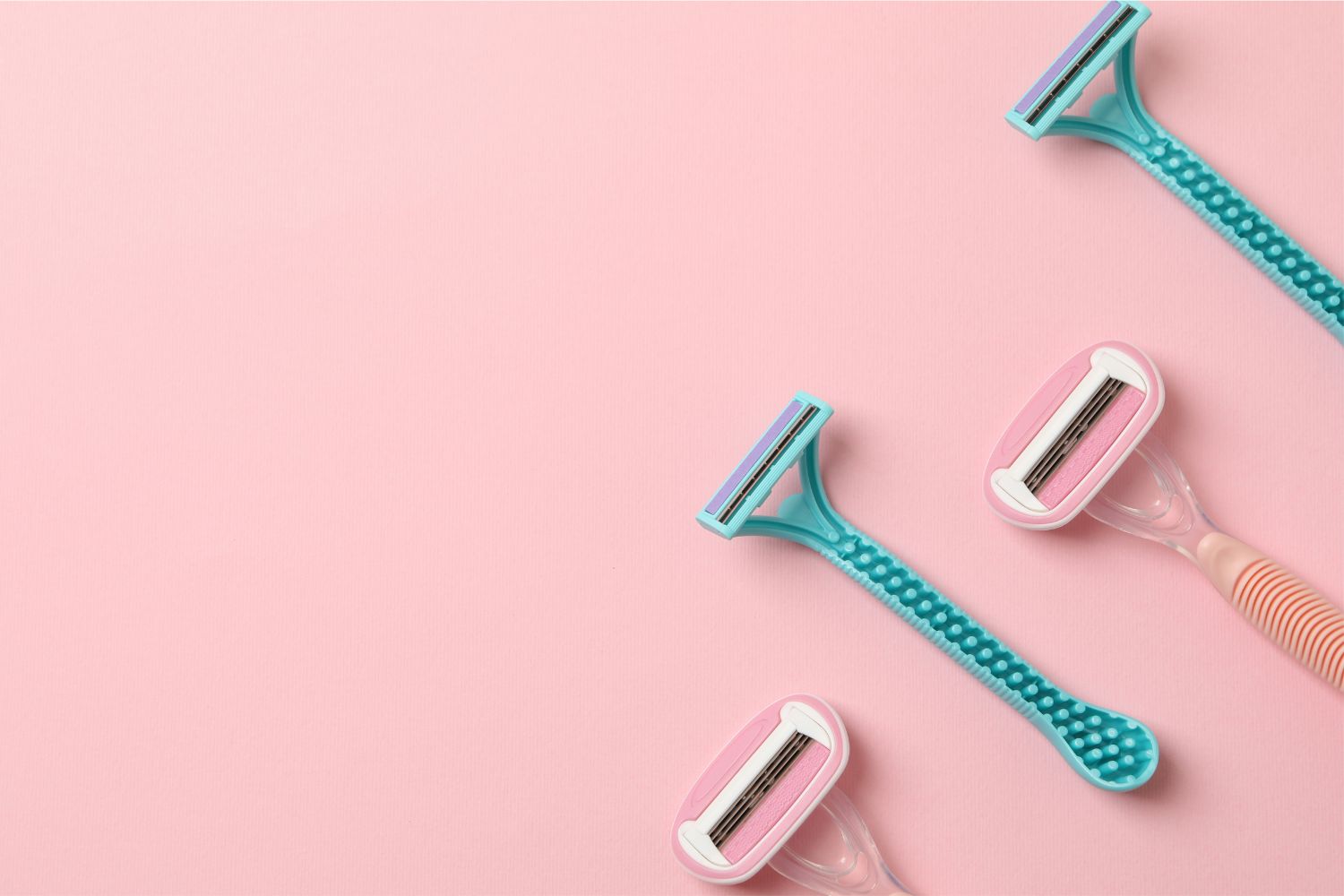
To how many of us happen to buy in the pharmacy or the supermarket specific products “for women”: “delicate” shower gel, deodorants with floral perfumes, razors with tender pastel colors. But if we tried to use only “men” products – shower gel and deodorant for example – would we find ourselves in front of a substantial difference?
Spoiler: No. But not for everything is exactly the case.
Curiosity arises from a much discussed, subtle phenomenon and of which few we notice: the Pink Tax. Underwear, razors, deodorants and shampoo, but – hear listen – often even the dyes in the dye, have a higher price! Why?
What is the Pink Tax?
To find out the Pandora’s vase is an interesting consumer reports investigation, which starts from a clarification: the Pink Tax is certainly not a real tax that appears on the receipt, but it is the name given to that difference in price between identical or almost products, however sold in versions “for her” and “for him”.
Let’s take an example: the same razor, but the woman’s one costs more. Or practically identical shampoo, but the one with flowers designed on the label costs almost half more.
In some cases, then, there is also a real tax: in various countries (Italy included) menstrual products were not considered basic necessities and therefore taxed with higher VAT than others.
Because it is a problem
There Pink Tax He weighs even more if we consider the gender pay gap: on average women earn less than men, so we find ourselves gaining less and spending more. There Pink Tax It exists and is a marketing mechanism that uses gender stereotypes and, often, our inattention.
The good news is that we can rebel with aware choices: buying what works, not what they tell us is “for women”.
But be careful: the same investigation by CR leads to an interesting result. As for razors specifically, are there really differences?
3 differences between men’s and women’s razors
At a glance, the razors “for her” immediately recognize each other: pastel colors, sweet perfumes, winking packs. Those “for him”, on the other hand, are blue, black or gray, with aggressive names. But in addition to aesthetics, are there real differences in design?
Consumer Reports asked Bic and Gillette to explain the main distinctions between male and female razors. Here’s what emerged.
The handle
Men usually shake their face; Women, on the other hand, legs, armpits or bikini area. This changes a lot the way the razor must be challenged.
Furthermore, it is not only aesthetic: even the context of use (sink VS shower) influences the design, for example with supports to hang or non -slip handles.
Head
Here you can see the most obvious differences:
In addition, women’s models often have large lubricating bars or moisturizing stripes that help reduce irritation. The blades can vary from two to five: plus blades = greater precision, less irritation.
The blades and their positioning
The real difference is in the geometry of the blades:
Some razors have blades mounted on springs, which move like small shock absorbers following the skin and reducing the cutting board.
So, should you use a precise razor?
According to Consumer Report yes: of course, a man can use a women’s razor and vice versa. But the result will probably not be the same.
In the end, the choice depends on what you need to rand and how you are better. Most of the time, they remain marketing logic to which most of us don’t even want to bend. Some women prefer men’s razors to obtain a deeper shaving, others do not give up the moisturizing bars of women. Which choice are you in general?
Ah, but the price? Well, women’s razors often cost more just because they are … pink. And here we return to the theme of the Pink Tax.
Don’t you want to lose our news?
