
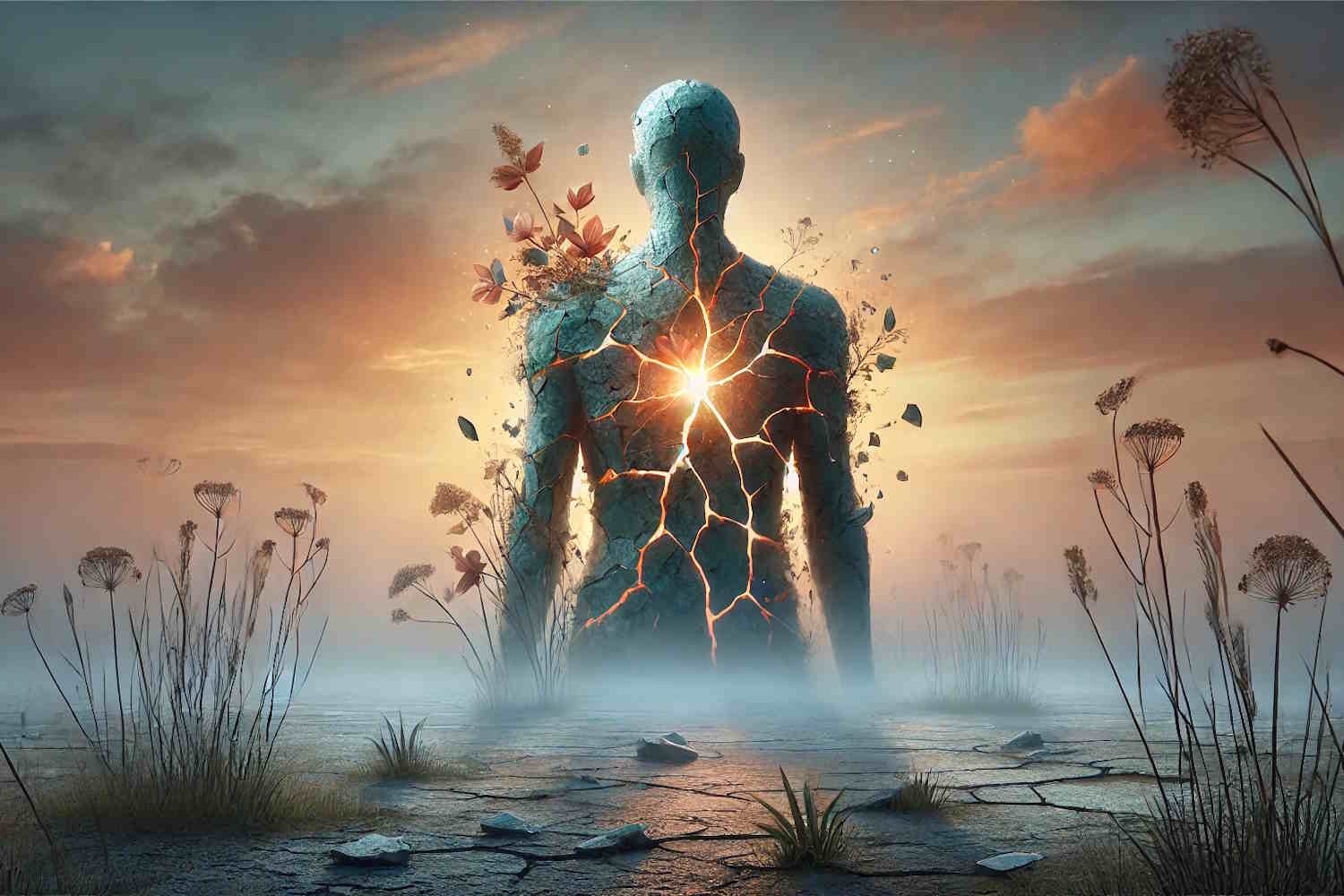
Emotional wounds are often formed in childhood, leaving deep marks that accompany us into adult life: recognizing and accepting them is the first step to healing and transforming pain into new inner strength
There is a pain that cannot be seen, but which can be felt. It is the pain of emotional woundsthose invisible scars that we often carry with us without knowing it. They are formed in moments of difficulty, when we feel rejected, abandoned or not enough for someone. And if we don’t address them, these wounds continue to live inside us, influencing the way we are, love and even see the world.
But there’s good news: these wounds can heal. It takes time, of course, but change begins the moment we decide to take care of ourselves and what makes us suffer.
Emotional wounds: what they are and where they come from
Emotional wounds often form in the first years of our lives, when we are most fragile and dependent on others for everything. Abandonment, constant criticism, lack of love or betrayal can leave profound marks, which often accompany us into adulthood.
We may not think about it, but these wounds manifest themselves every day: in the way we relate, in our fears or in the insecurities that block us. Sometimes we become too dependent on others, other times we close ourselves off to avoid suffering further. In any case, the pain remains there, beneath the surface, influencing our choices and making us wear masks to protect ourselves.
Recognizing them is the first step to freeing ourselves from them. Only when we know where our pain comes from can we really begin to heal it.
What are the most common emotional wounds?
Not all emotional wounds are the same, but some experiences recur often. Each of them has specific origins and leaves different signs.
Wounds from violence
Handling injuries
Wounds from rejection or abandonment
Wounds due to lack of affection
How to heal from emotional wounds
Healing does not mean forgetting, but learning to live with what happened to us, without letting it continue to influence us. It is a path that requires patience, but which can lead us to live with more awareness and serenity.
Accept your wound
The first step is recognize that there is a wound. It must not be hidden or denied, but observed without judgement. Accepting that something hurts us is the starting point for every change.
Listen to your emotions
We often tend to run away from pain, but ignoring it won’t make it go away. Instead, try to give space to your emotions, listening to them without fear.
Be patient
Healing doesn’t happen overnight. There will be difficult moments, but also small progress that will give you strength to move forward.
Ask for help
There is nothing wrong with reaching out to someone for support. A therapist, a trusted friend, or even a book can help you see things from a different perspective.
Learn to invest in yourself
Healing from emotional wounds does not mean eliminating fragility, but learning to know them and accept them as part of you. You are not just what you have experienced: you are also the person who can choose to move forward, to transform that pain into strength.
Start taking care of yourself, even with small daily gestures. Give yourself time, surround yourself with people who make you feel good and always remember that you are the best investment of your life.
