
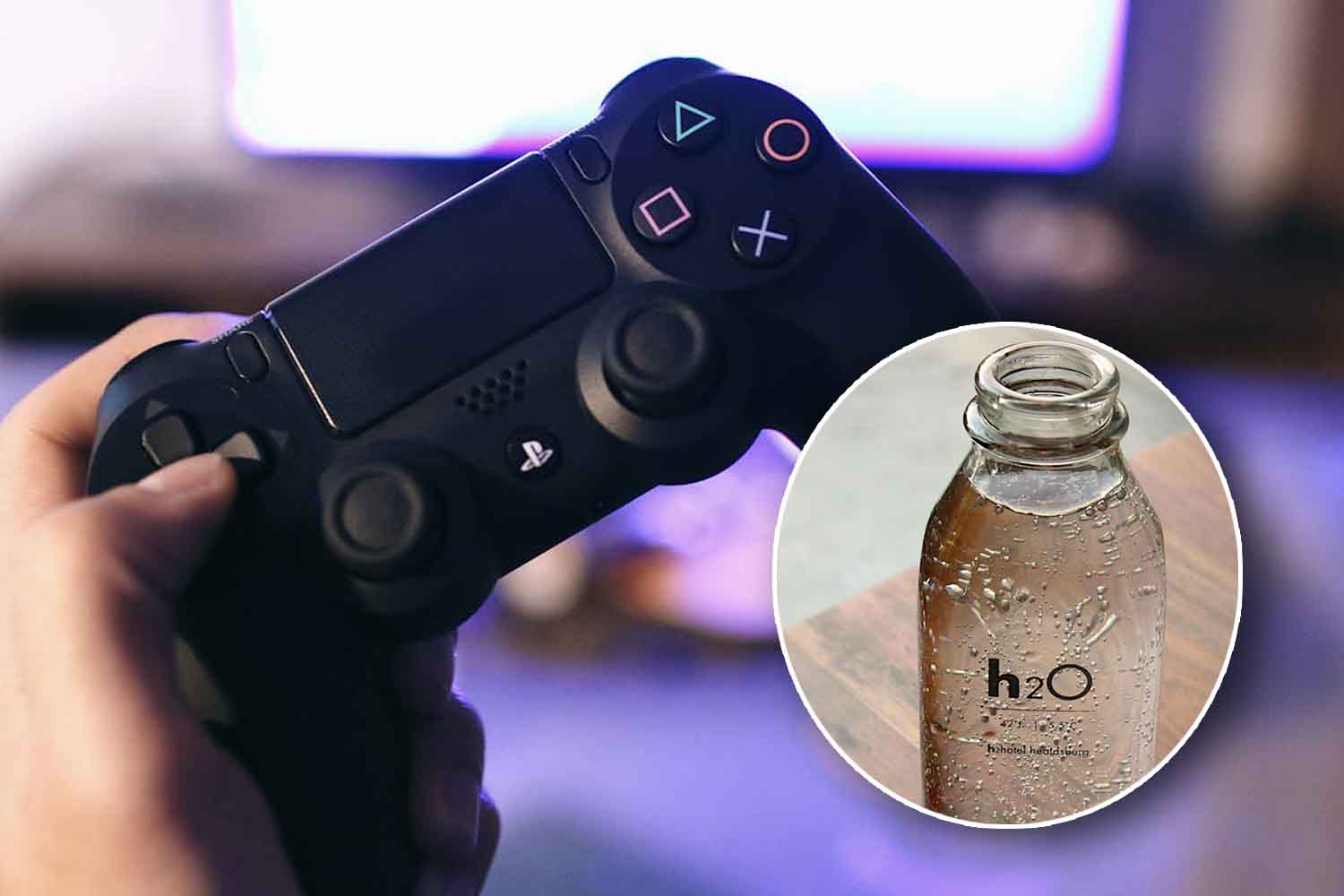
In the world of competitive gaming and long sessions in front of the computer, the search for tools to improve concentration and mental resistance has almost become a parallel discipline. Energy drinks, coffee, supplements: the cognitive performance industry has thrived for years.
What if the answer was already in the refrigerator, in that bottle of sparkling water that we often consider just a more “lively” variant of still water? From a small study conducted in Japan comes an intriguing hypothesis: drinking sparkling water during gaming sessions it could reduce the perception of fatigue and increase satisfaction in the game, despite being completely caffeine-free.
The research was published in Computers in Human Behavior Reports and has sparked the interest of those who study the relationship between drinks, attention and cognitive performance.
Why sparkling water?
The starting point of the scholars is very concrete: millions of people, especially young people, use energy drinks and coffee to stay awake in front of the computer. A habit which, in the long term, can have side effects linked to excess caffeine and sugars.
Hence the question: is there a healthier alternative capable of sustaining attention without overloading the body?
Some previous research had already suggested that sparkling water could positively affect mood, motivation and cognitive fatigue. The bubbles, in fact, stimulate the receptors in the throat, activating the trigeminal nervewhich communicates with brain areas involved in the mechanisms of vigilance and attention. A sort of sensorial micro-awakening, we could say, which sends a direct signal to the brain.
In other words, that fizzy sensation that we perceive when drinking could translate into a mild excitatory effect on the brain.
The gamer study
To test this hypothesis, the researchers involved 14 Japanese university students who were passionate about video games. Participants were asked to play a football-themed video game for three hours, alternating the consumption of still water and sparkling water in several sessions.
During the experiment, various physiological and psychological parameters were monitored: the level of cortisol in the saliva to evaluate stress, the size of the pupils – which tends to reduce with increasing fatigue – the heart rate via chest strap and the state of mood via specific questionnaires.
The alternation between still and sparkling water has been organized in such a way as to completely exclude the influence of caffeine and sugars.
The results, also relaunched by Neuroscience News, show an interesting fact: those who drank sparkling water reported a less perception of tiredness and greater satisfaction during the gaming session. Curiously, a reduction in fouls was also observed in virtual matches, which could reflect better inhibitory control and greater clarity.
Cortisol levels, however, showed no significant differences between the two types of water.
A little help against mental fatigue?
The authors themselves urge caution: the sample is small and the results need to be confirmed by larger studies. However, the hypothesis is fascinating because it suggests that a simple gesture like drinking sparkling water can offer light but concrete support against mental fatigue.
In a historical moment in which we talk more and more often about digital detox and psychological well-being, this research goes in an almost counter-current direction: accepting that modern life requires long hours in front of screens, while seeking more sustainable strategies to manage their effects.
Sparkling water remains first of all water, therefore it contributes to hydration, a fundamental element for cognitive function. The bubbles could add that little extra stimulus that helps you feel alert without resorting to exciting substances.
Maybe it won’t change our habits in a revolutionary way, but the idea that something so simple can affect the perception of tiredness tells a lot about how sensitive the body is to minimal stimuli and how often we look for complex solutions when the most effective ones are already at hand.
