
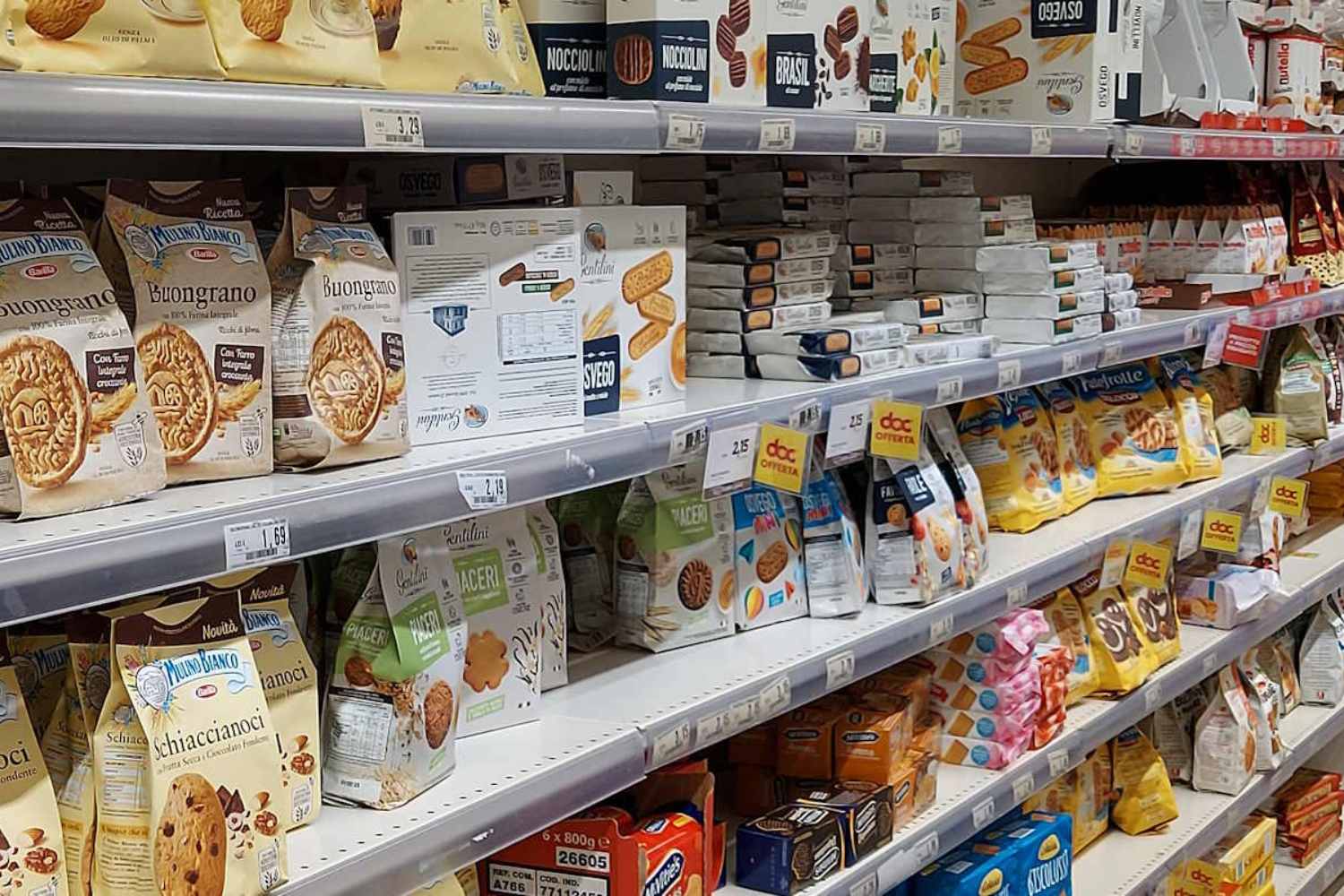
Wholemeal biscuits should be a better alternative for breakfast, thanks to their higher fiber content and less use of refined flours. But even between these products the quality can vary significantly.
The new test confirms this The Lifesaverwhich analyzed different types of biscuits, including 16 wholemeal and “semi-wholemeal” biscuits from well-known brands but also from large-scale distribution lines: from Mulino Bianco to Balocco, from Doria to Pavesi, up to the products of Lidl, Coop and Carrefour.
The laboratories of the Federico II University of Naples (where the test was conducted) assessed the presence of contaminants – acrylamide and mycotoxins – while the nutritional quality of the recipes, such as the quantity of fiber and sugars and the presence of less healthy ingredients such as palm oil, glucose-fructose syrup and phosphates, was obtained from the product labels. Based on this data, products with more fiber and less sugar were rewarded, while those with less healthy or contaminating ingredients were penalized.
We have already talked about the results of classic biscuits with white flour in a previous article (you can read it HERE), today we will find out how the wholemeal variants fared.
The results on wholemeal biscuits
Even among wholemeal biscuits, acrylamide remains the main sticking point. It is a contaminant that forms naturally when foods rich in starch – such as bread, potatoes, biscuits and cereals – are cooked or toasted at high temperatures, through the so-called Maillard reaction, the same one that gives browning and crunchiness to baked products.
Although present in variable quantities, acrylamide is considered a potential health risk: the International Agency for Research on Cancer (IARC) classifies it as a “probable human carcinogen”, and habitual exposure, especially in children, may increase the cumulative risk of long-term adverse effects.
In the test de The Lifesaverthe average concentration of acrylamide in wholemeal biscuits was similar to that of white biscuits but some products exceeded 140 mcg/kg, approaching the maximum threshold indicated for the little ones (150 mcg/kg).
The situation of mycotoxins, however, appears more reassuring: the best-known and most regulated substances, such as Deoxynivalenol (Don) and Zearalenone, are largely below the legal limits. However, some “emerging toxins” such as Enniatins have been detected in significant quantities in several samples.
From a nutritional point of view, the fiber intake among the wholemeal biscuits tested ranges from a minimum of 4.5 grams per 100 grams (Oro Saiwa Cruscoro) to a maximum of 11 grams (Galbusera Più wholemeal). The Lifesaver remember that there is still no clear regulation on the term “wholemeal” in Italy, and therefore some products use refined flours integrated with bran or middlings, while others are close to 70-75% real wholemeal flour, such as the Original wholemeal biscuits from Carrefour or the Fior di wholemeal Realforno from Lidl.
The worst wholemeal biscuits in the test
Of the 16 products examined, 4 scored insufficiently for overall quality, ingredients and contaminants. These are:
To read the complete ranking of wholemeal biscuits, refer to the November issue of The Lifesaver.
