
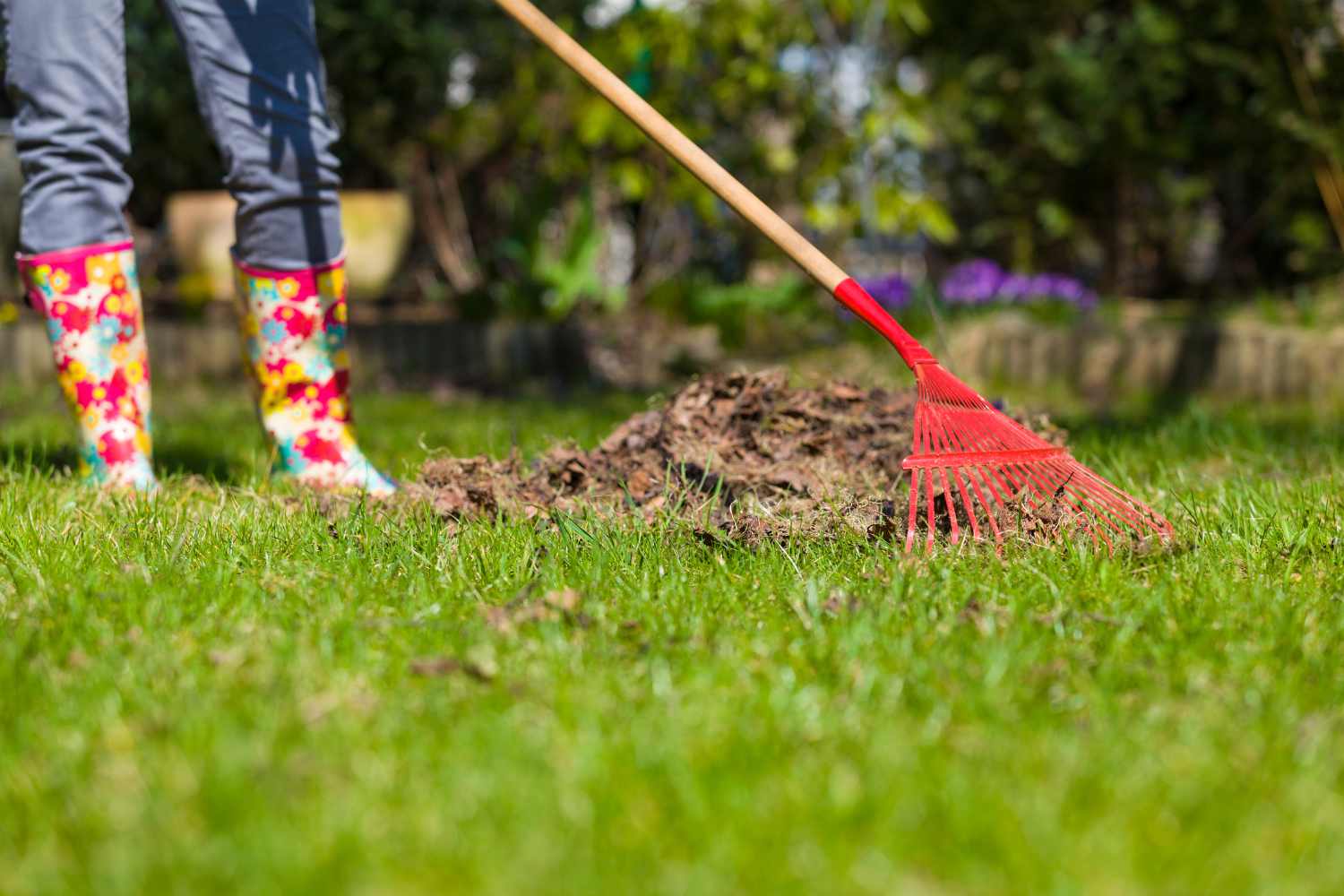
With the arrival of the cold, lawn care becomes a fundamental aspect that should not be underestimated, especially to avoid irreversible damage that could compromise its beauty in spring. Winter garden maintenance is a challenge that, if approached incorrectly, can have serious consequences. Yet, a few small precautions are enough to keep the lawn healthy, green and lush when the warmer weather arrives.
Winter care: one mistake can be fatal
Many gardeners fall into the mistake of thinking that the lawn does not need care during the winter. In reality, the roots of the plants are still active beneath the surface and any mistake, even a small one, can compromise the health of the lawn for next year. If you don’t intervene correctly during the colder months, you risk finding the lawn damaged when spring awakens, with serious difficulties in recovery.
The golden rules for a healthy lawn
To avoid irreparable damage, there are some fundamental actions to take in the colder months.
Aerate the soil
Before the soil freezes or becomes too compact, it is essential to aerate it. This process, which can be done with a fork or aerator, promotes drainage and allows oxygen, water and nutrients to reach the roots. This way, the grass will be more resistant to frost and excessive rain.
Remove debris
Leaving leaves or twigs on the lawn during the winter can be lethal. In addition to choking the grass, this debris traps excess moisture, creating ideal conditions for moss and fungus to grow. A clean, obstacle-free lawn is essential for a good spring recovery.
Winter fertilization
Using a seasonally appropriate fertilizer rich in potassium will help strengthen roots and improve resistance to disease and cold. A good winter fertilizer provides support for plants even when temperatures are low.
Reseeding and maintenance
Autumn is the ideal time to reseed thinned areas. Humidity and mild temperatures favor germination, allowing new seedlings to root before frost. Furthermore, avoiding cutting the grass too short is essential. A cut that is too short exposes the roots to the cold and makes them more vulnerable.
Avoid walking on wet or frozen grass
Although it may seem like a harmless routine, walking on wet or frozen grass is harmful. Humidity crushes the blades of grass, while frost can irreparably damage the roots.
A garden that survives the winter
In summary, although winter seems like a rest period for the garden, the reality is very different. Every step we take now will have repercussions on the future of the lawn. If treated carefully, the lawn will be able to face the rigors of winter without difficulty and wake up stronger and greener than ever when spring arrives. Ignoring these simple steps, however, could transform the garden into an expanse of diseased grass, making recovery difficult and expensive.
