
It often happens that we learn, thanks to watching a documentary or doing online research, that what we consider seeds are actually fruits, or that what we call fruit is actually a berry or a seed or even an excrescence.
In short, Nature is a varied and surprising universe, and what we see (or think we see) is not always reality and, not being botanists, it is difficult to know all the “deceptions” of Nature.
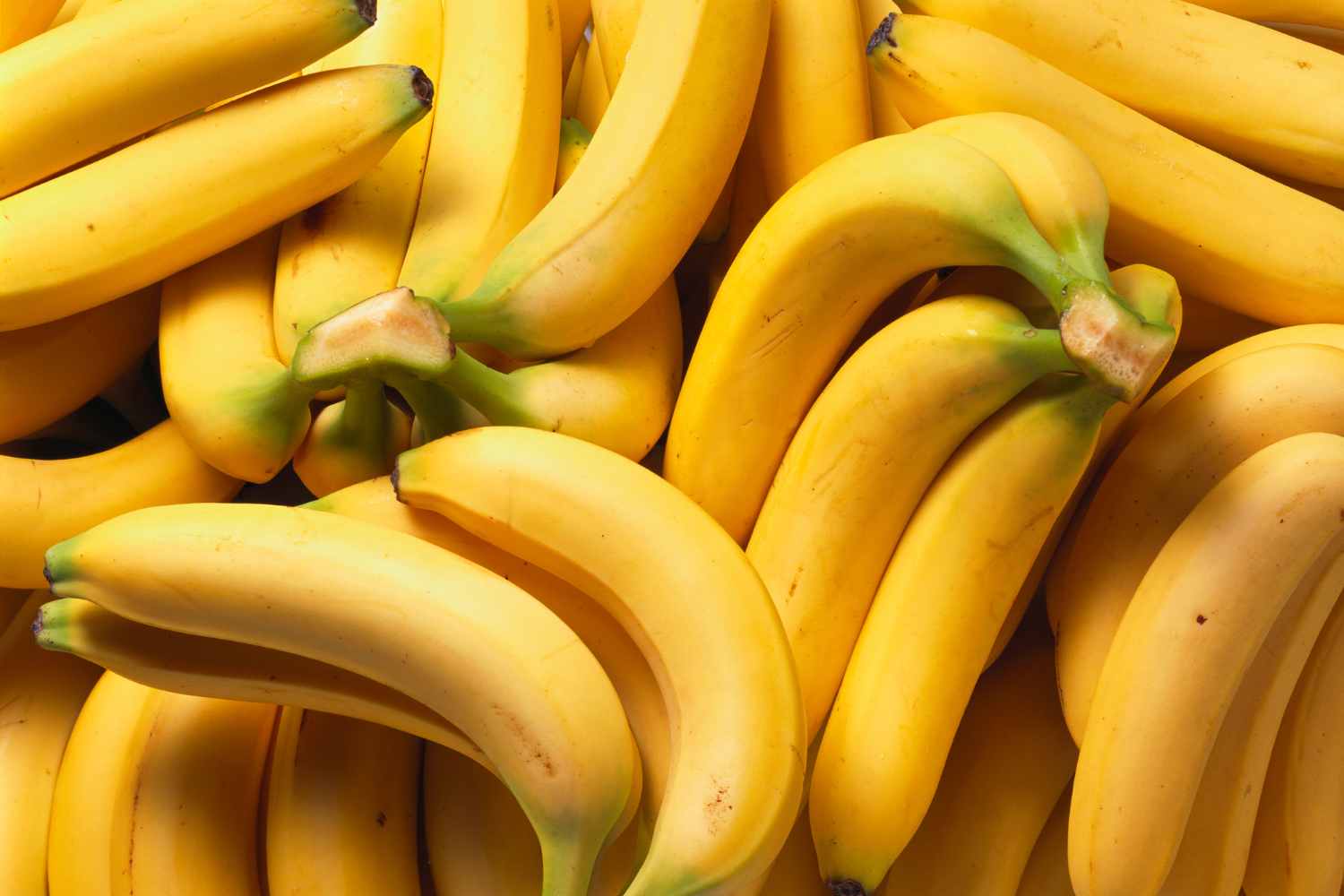
Today we are talking about one of the most loved and consumed fruits (which is a mistake to define as a fruit): the banana. What we eat as a snack or before training is not a fruit, but a berry – and we’ll tell you why.
What bananas (really) are
From a botanical point of view, bananas are not considered fruits, but rather berries – although this fact may surprise many people.
In botanical terms, a berry is a type of fruit that arises from a single-cavity ovary containing many seeds, and bananas meet this definition.
In fact, they come from a flower with a single ovary and contain numerous small seeds inside (the small black seeds that we find in the center of the whitish pulp).
In short, if it is true that when we imagine berries, we might think of small and succulent fruits, we must remember that the botanical definition is much broader and includes an unexpected variety of fruits.
Bananas may look different from fruits typically known as berries, such as blueberries or currants, but they share the botanical characteristic that classifies them as berries.
Properties of bananas
Whether they are considered fruits or berries, bananas are a real concentrate of beneficial properties for our body: Here are some of the main benefits they bring:
The “forgotten” bananas that you have never tasted
While in the Western world we are almost exclusively familiar with the yellow, elongated Cavendish banana, there are over 1,000 varieties of bananas grown in the world, many of which never leave their countries of origin. There are red bananas with a flavor reminiscent of raspberries, blue Java bananas with cream-colored pulp, “lady’s finger” bananas just 7-8 centimeters long, and even the Fe’i from the Pacific Islands, with an orange pulp rich in beta-carotene. Furthermore, in many tropical countries, bananas are mainly consumed cooked: plantains, for example, are starchy varieties that constitute a staple food like potatoes in Europe. Fried, boiled, ground into flour or transformed into crunchy chips, these “cooking bananas” represent a source of sustenance for millions of people.
The next time you bite into a banana, remember that you are tasting only a tiny fraction of the extraordinary diversity this berry has to offer – an entire universe of flavors, colors and textures waiting to be discovered beyond the confines of our supermarket.
We also recommend:
