
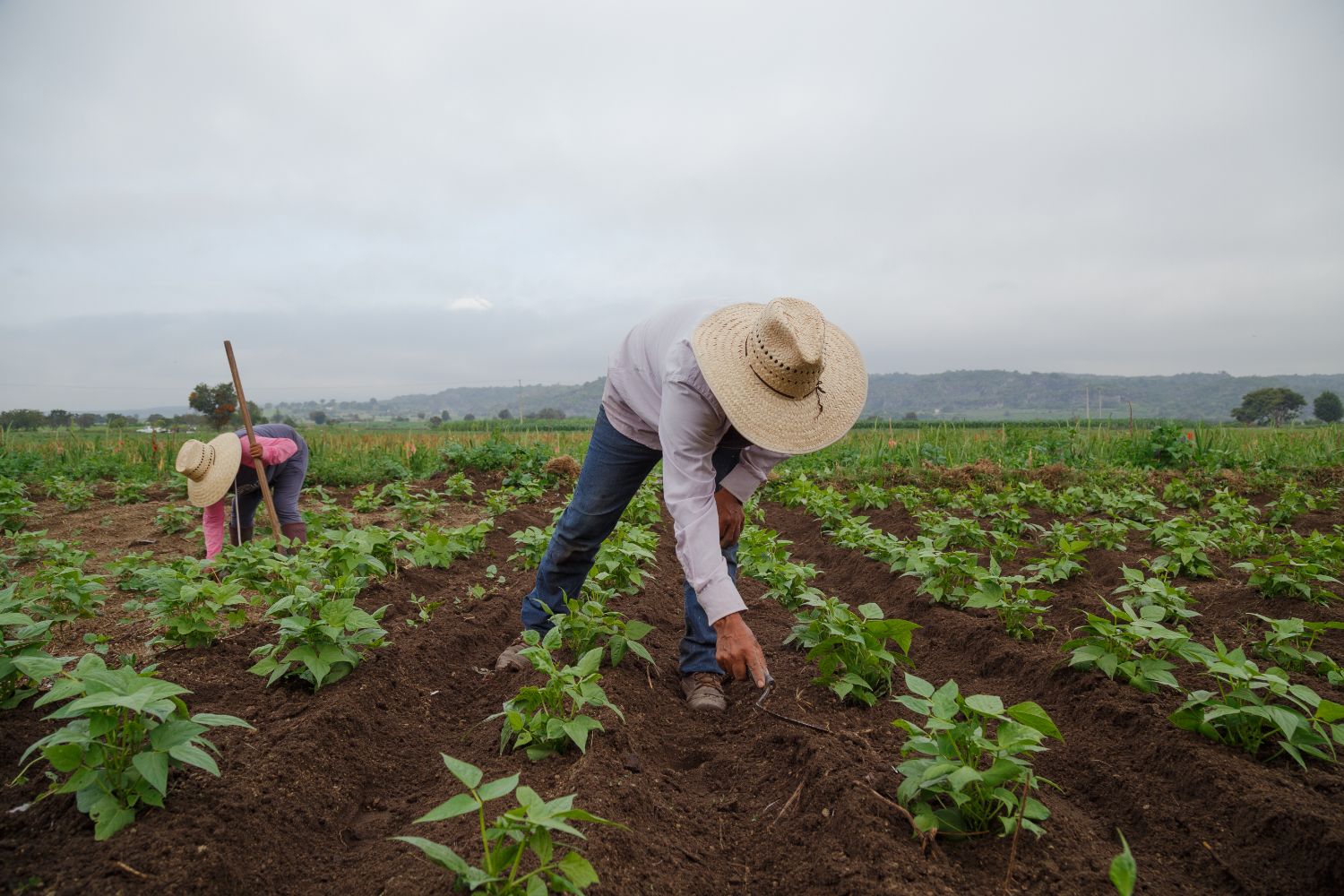
The corporal is not only a phenomenon of the South: the exploitation of agricultural labor, while taking on more refined and less visible forms, also in northern Italy.
This is revealed by the new report of the environmental association Earth!which expands the investigation started with Lombardy and today focuses on Piedmont, Veneto and Friuli Venezia Giuliaterritories often considered immune to certain dynamics.
The dossier highlights an uncomfortable truth: Even the richest and most structured agricultural districts can be the scene of systemic exploitationwith workers – for the most part foreign – forced to operate in precarious conditions, between gray work, hunger wages and lack of protections.
The territories observed: Cuneo, Treviso and Friuli
The focus focuses on three key areas:
In all these areas, agriculture is an identity and economic pillar. Yet, right here they are opening up here judicial investigations for exploitationas happened in the Langhe starting from April 2024.
Not even the richest territories are sheltered – underlines Maria Panariello, curator of the dossier – the flaws of the agri -food chain falls on the most fragile.
Who are the new workers exploited?
The identikit is clear: migrant people, often asylum seekers hosted in the CASwithout links in the area and therefore more exposed to blackmail. If a time were mainly workers from Eastern Europe, today these are moving to countries with better conditions, leaving space by work from sub-Saharan Africa and Southeast Asia.
The recruitment methods are opaque: informal intermediaries between compatriotsword of mouth, irregular contracts. Legal and social precariousness makes it difficult to denounce abuse.
“The Bossi-Fini law is one of the roots of the problem-explains Fabio Ciconte, president of Earth!-should be overcome to allow regular and transparent entrances to the world of work”.
Not only corporals: the new frontiers of exploitation
The corporal today is hidden behind apparently legal forms:
According to the dossier, about Italy are estimated 230 thousand irregular agricultural workers. 40% of the hours worked in the sector are not registered, e Even in the center-north the irregularity rate exceeds 20-30%.
Saluzzo and the hope of change
However, there is no lack of encouraging signals. TO Saluzzoin the province of Cuneo, once symbol of laborer exploitation, today a virtuous model is experienced based on a structured reception for seasonal workers and on training courses, but also on beds and dedicated services and on the collaboration between public bodies, third sector, companies and local institutions.
The model was also adopted by prefecture of Cuneowho promoted a memorandum of understanding between 15 Municipalities of the Albese and the protection consortium, with the aim of guaranteeing dignified conditions for seasonal workers.
In Lombardy something moves (but slowly)
Even in Lombardy the theme begins to enter the political agenda, thanks to the action of some regional councilors. Auditions in the Agriculture Commission began and have been advanced 10 key recommendationsincluding:
In any case, the still very weak remains the institutional sensitivity on the subject: so far there has been talk almost only of vigilance and control, little or nothing on the deep causes of the phenomenon.
The earth dossier! It is a merciless but necessary photograph. Northern Italy is not a happy oasis: behind DOC labels and productions of excellence is hidden A system that too often downloads its costs on the skin of the weakest.
Contrasting the corporal does not only mean repressing abuses, but rethink the agricultural modelfrom the distribution of prices to the recruitment supply chain, passing through more Eque migratory policies and dignified reception infrastructures.
Here the complete report.
