
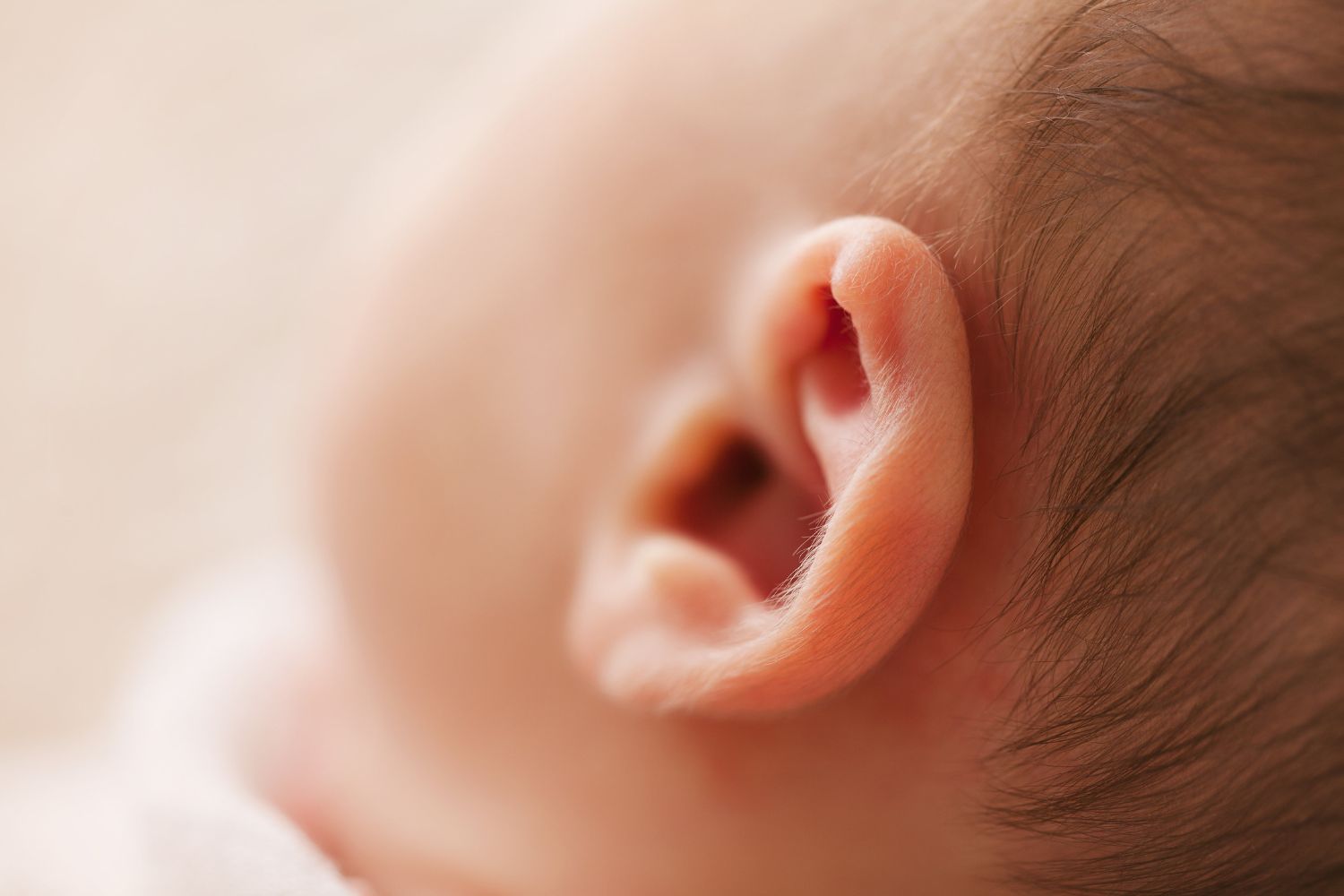
A two -year -old boy He was finally able to listen to the voice of mom and dad: born without acoustic nerves, he was standing for a rare surgery who literally has donated the hearing. The incredible success took place at theMaggiore hospital in Parma.
The baby was born with a very rare bilateral absence of hearing nervestherefore completely performed an extremely complex and rare surgical operation worldwide, which has implanted a auditory device directly in the encephalo trunkthe only possibility of regaining hearing in the absence of the acoustic nerve.
Which operation donated the hearing to the child and how it works
The intervention, known by the name of ‘Encephalic trunk auditory system‘(‘Auditory Brainstem Implant’ABI) was the only one as possible. The much more common cochlear system would not have been effective in the absence of acoustic nerves.
In fact, as the Cleveland Clinic (USA) The ABI is a device that provides the perception of sound to people with serious hearing loss due to the lack or malfunction of the cochlea (internal ear) or the acoustic nerve.
The system activates the neurons of the encephalic trunk, creating sound sensations. The technology is in fact similar to that of the cochlear implants, but in these the electrodes stimulate the auditory nerve, while Abbix bypasses the hearing nerve to stimulate the brain trunkand it is therefore the only one possible in his complete absence, as in the case of the child.
The recipient must wear a head on the ear or the sides of the head processorwhich contains a microphone capable of capturing the surrounding sounds, then converting them into electrical signals that arrive at the system in the brain. The appliance is removed during sleep.
What happens later
The intervention, in itself, is very complex, but an equally delicate part is represented by theABI activation: This, in fact, is performed in the operating room with the patient under general anesthesia, during which a complex series of stimulations and recordings is conducted, in order to differentiate the electrodes capable of evoking an acoustic sensation from those that would have activated other nuclei, with potentially dangerous effects.
During this phase, a “acoustic cerebral map“In the brain that allows patients to recognize sound signals. It is a particularly complex process especially in such a small child, not receiving any direct feedback from his part.
How is the little patient now
The child, shortly after the activation of the plant, showed significant behavioral changesresulting much more peaceful. We are eight months after the intervention, during which several changes were made in the stimulation of electrical parameters, and under constant speech therapy control.
Now the child has started recognize soundssimultaneously improving the quality of the vocal production. However, the process is not over and is still ongoing to be refined more and more in order to make the patient’s life as possible.
In my professional career I followed over 200 patients, between adults and children, suffering from the absence of auditory nerves, both for cancer and congenital causes – explains Maurizio Guida, who has performed post -system stimulation – when intervening on so small patients, who cannot communicate their sensations during the creation of the stimulations, it is necessary to focus on the technique, developed with experience, because
The whole team is confident: the system should allow the child a improvement of both the possibility of communicating with others and cognitive development.
Good small life!
Source: Maggiore hospital in Parma
