

Music stretches and saves life – We knew it – but today we also know that it is able to slow down the cognitive decline due to agewith particular reference to the perception of the language linked, improving the quality of the cognitive reserve. This is demonstrated by a study led by Baycrest Academy for Research and Education (Canada.
Aging is typically associated with a Decline of sensory and cognitive functions. But the changes in perception and cognition related to age are often accompanied by an increase in neural activity and functional connectivity in largely distributed neural networks: according to some scientists, this would reflect one compensatory strategy employed by the elderly to maintain optimal cognitive performance.
Positive life choices, higher levels of education and bilingualism, contribute to the cognitive and cerebral reserve, which represents the accumulation of cognitive and neural resources before the injury of the brain changes related to age.
The theory of the cognitive reserve suggests that training can help mitigate the impact of the brain decline linked to age, leading to better cognitive performance than expected. However, the way in which cumulative reserves, influenced by positive factors related to lifestyle, affect neural activity in the older populations remains controversial.
The researchers have now focused on this mechanism, using functional magnetic resonance imaging (FMRI) for measure brain activity In 25 elderly musicians, 25 non -elderly musicians and 24 non -musician young people, who were asked to identify syllables masked by noisy sounds. The analysis focused in particular on the neural responses within the dorsal auditory flow, which includes auditory, lower and front-mature parietal areas, supporting the sound-action mapping and sensomotor integration during theSpeech elaboration.
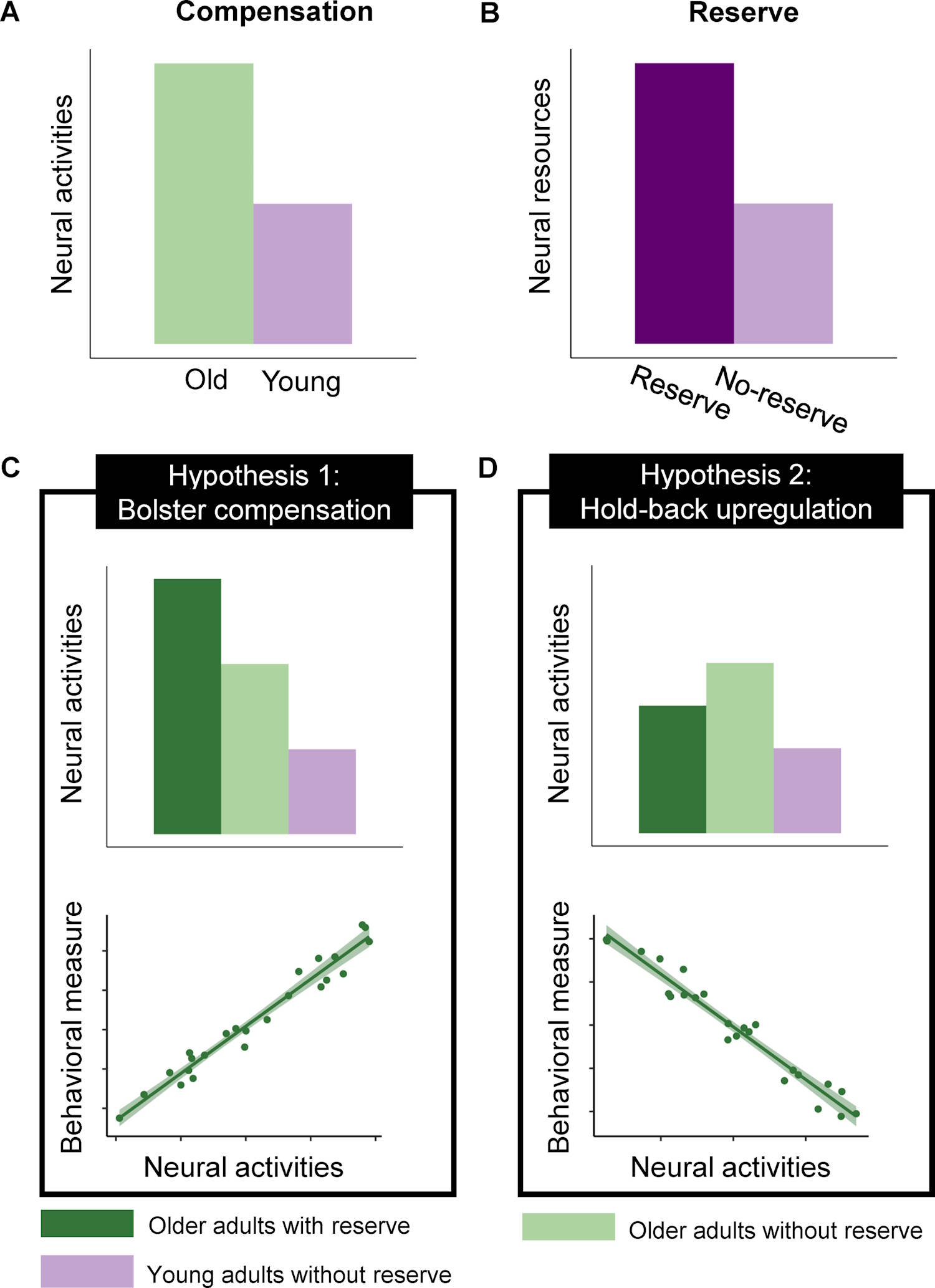
As expected, the results revealed a reduced decline related to age In vocal performance in noisy environments among the elderly musicians compared to non -elderly musicians. During the perception of speech in noise, the older non -musicians showed the typical compensatory increase in age in functional connectivity in both cerebral hemispheres, while the older musicians showed a patterns similar to that of non -musician young people.
Overall, these results support the hypothesis of the ‘Hold-Back Opeguulation‘, who postulates like the cognitive reserve deriving from musical training Promote a more youthful functional connectivity pattern, leading to higher behavioral results.
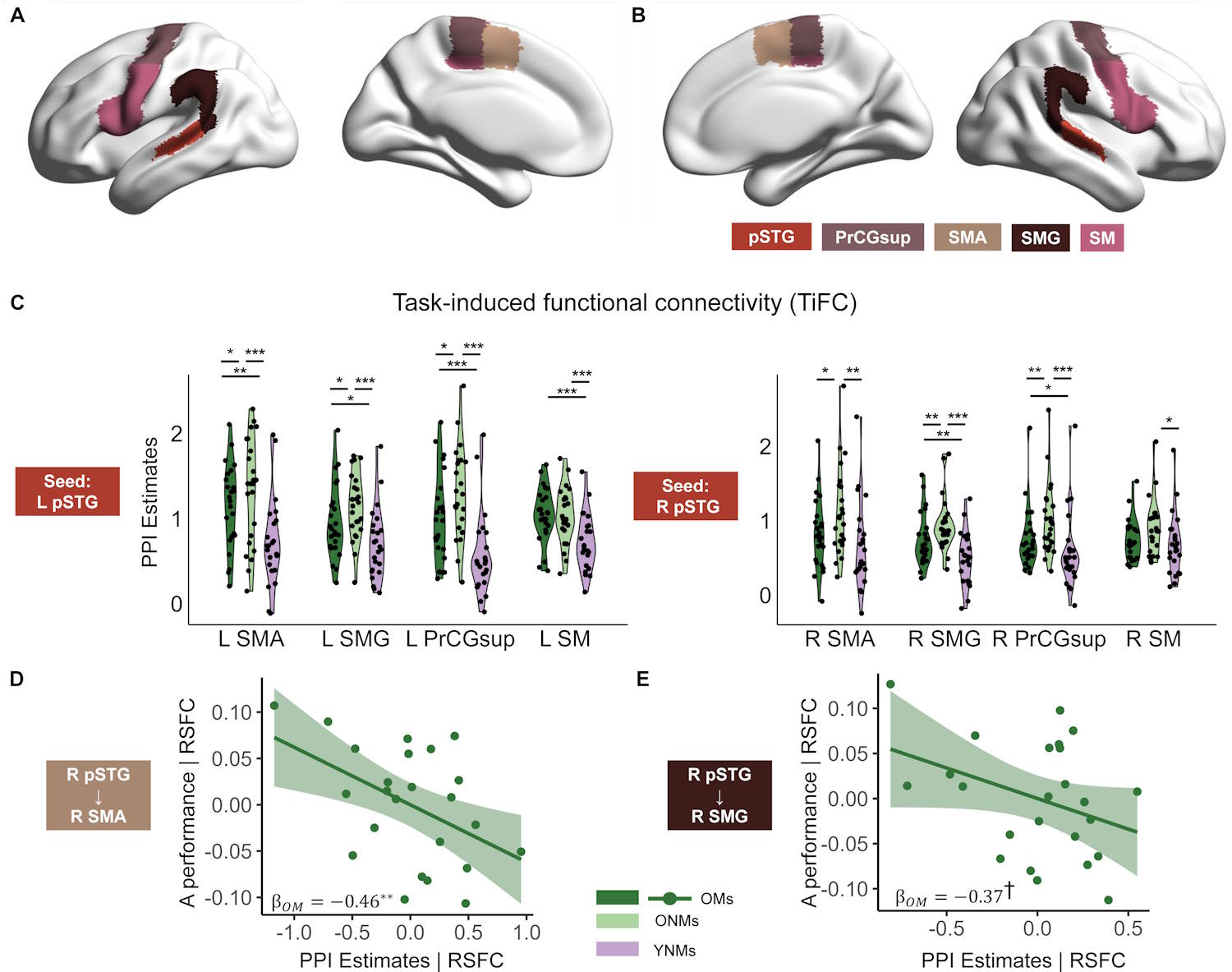
In addition to compensating the decline linked to age, the cognitive reserve could act by maintaining the integrity and functional architecture of neural networks, thus mitigating the negative effects of aging on cognitive performance. However, due to the design of the study, it was not possible determine cause-effect relationships between musical training and execution in the task of perception.
According to the authors, future studies should further test the hypothesis using different cognitive tasks, focused on memory and attention, and investigate other reserve sources, such as exercise and bilingualism. Finally, these results could guide interventions aimed at preserve cognitive functions and to improve the communication results in the elderly populations.
A positive lifestyle helps the elderly to better face cognitive aging and is never too late to undertake and maintain a rewarding hobby how to learn to play an instrument – explains Zhang, who guided the research – just as a well -granted tool does not need to be played stronger to be heard, the brain of the older musicians remains perfectly granted thanks to years of training. Our study shows that this musical experience strengthens the cognitive reserve, helping the brain to avoid the usual overhanging age, typical of those who try to understand a speech in noisy places
The study was published on Plos Biology.
Sources: Eurekalert / Plos Biology
