
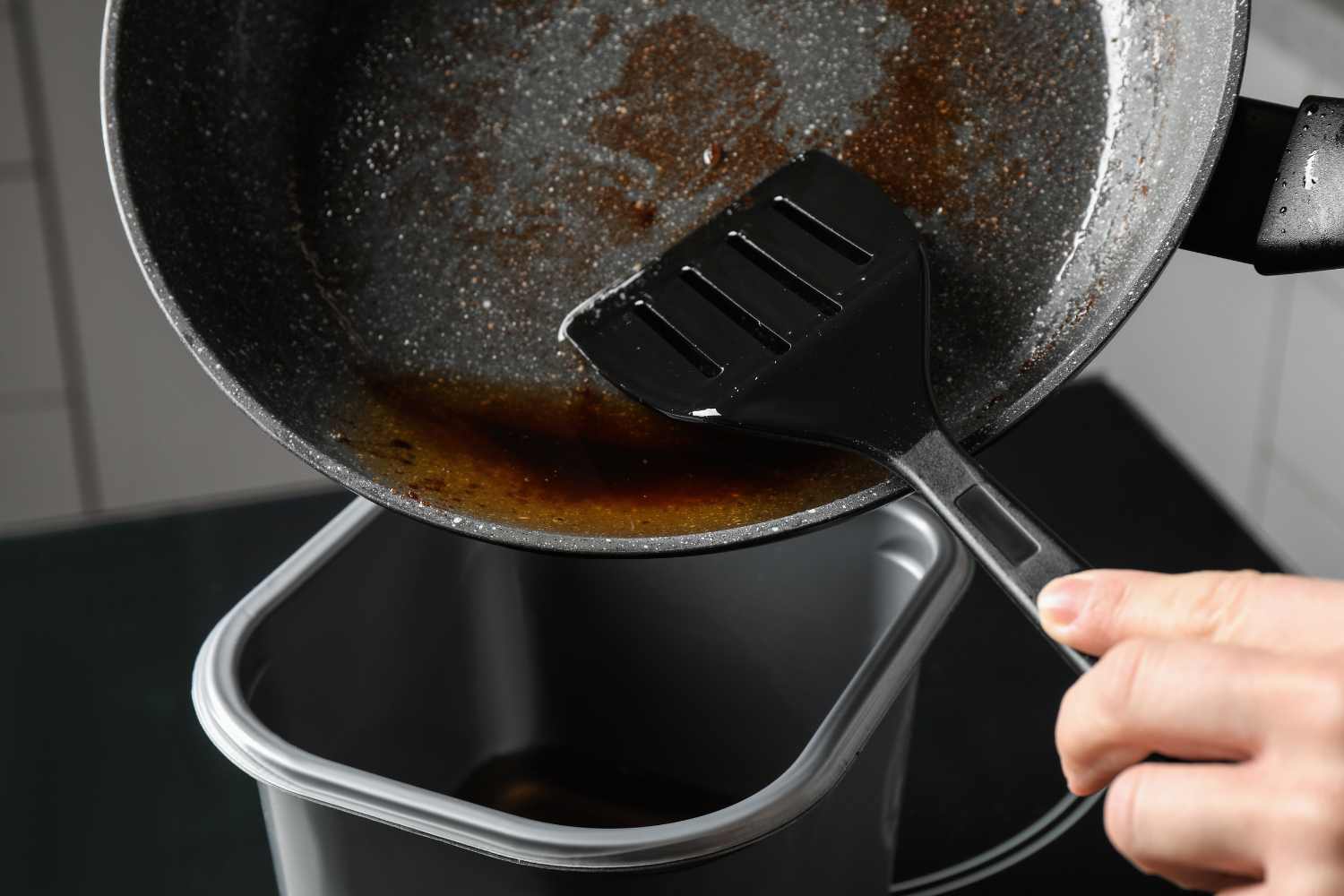
How many times have you happened to have finished cooking and, without thinking twice, that you have poured the cooking oil directly into the sink? If the answer is “often”, you are not the only ones. Millions of people make this gesture daily, convinced that it is the most natural thing in the world. Too bad this is precisely the main reason behind most of the clogged exhausts.
The invisible enemy of sink and pipes
Kitchen oil, what we use to fry the chips and season the salad, turns into a real enemy of our pipes as soon as it comes into contact with cold water. At room temperature, in fact, all vegetable and animal fats tend to solidify, creating a sticky film that adheres to the walls of the pipes.
“It’s just a tablespoon of oil, what you want it to be,” many think. But right here is the deception. Even small quantities of oil, repeated over time, accumulate and form increasingly thick layers. These fat deposits then become the perfect glue for hair, soap residues, food fragments and any other debris flowing in the sink.
How the perfect cap is formed
The process is faster than you can imagine. The oil quickly cools in the pipes and begins to retain everything that passes: a hair remains attached, then another, then the residues of the toothpaste, a few crumbs of bread and in a few weeks a compact mass will be formed that will drastically reduce the diameter of the tube.
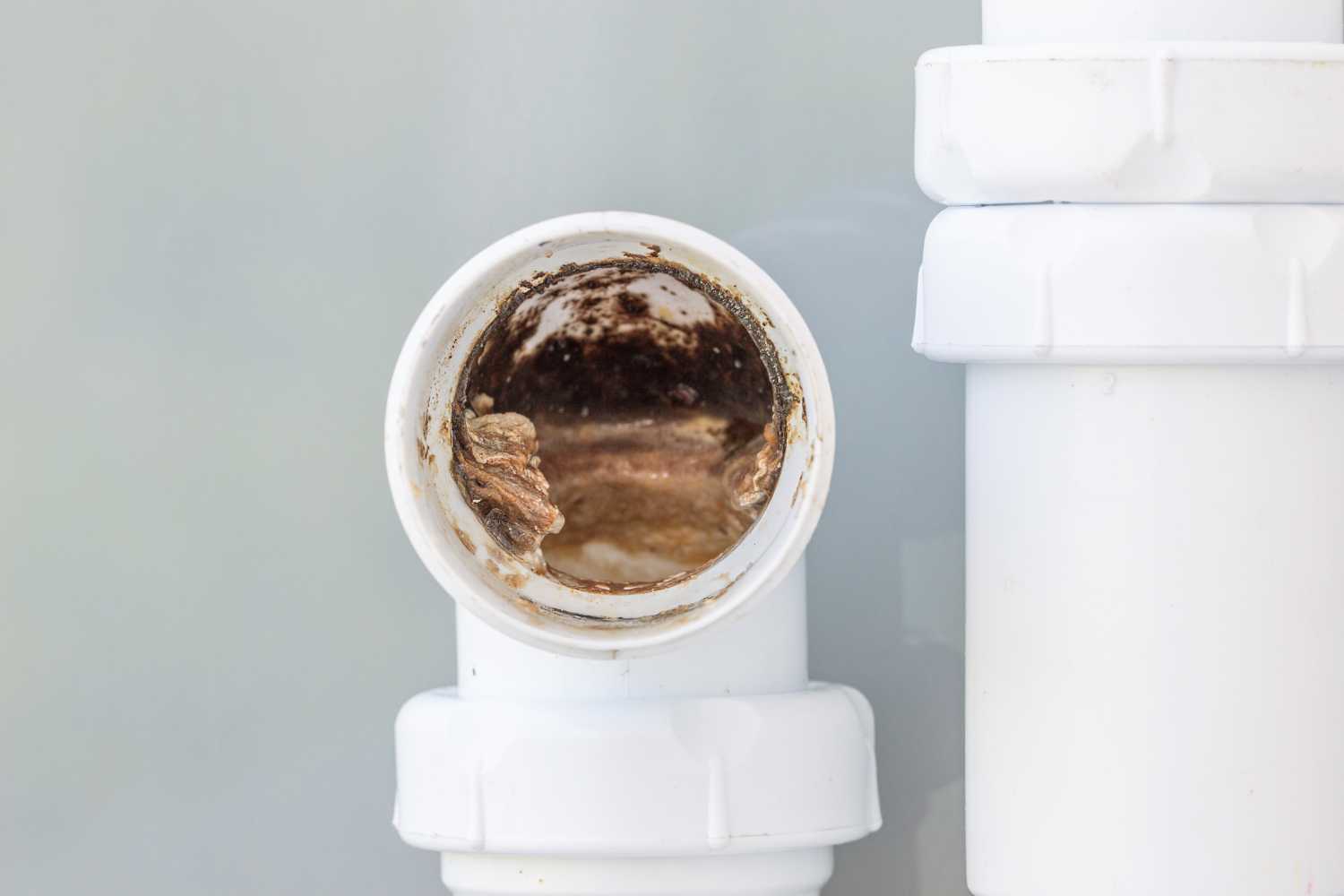
The problem worsens when we add hot water thinking of melting fat: boiling water can temporarily liquefy it, but as soon as the oil has cooled it has solidified again, often in points even more difficult to reach.
The collateral damage we don’t see
The oil in the sink does not only create domestic problems. Once finished in the sewage system, it can cause blocks in the city network, with maintenance costs that fall over the whole community. In the most serious cases, it can cause regurgitation of waste water that represent a serious hygienic-sanitary risk.
In addition, when the oil reaches the purification plants, it compromises the effectiveness of water treatment processes, because the bacteria used to purify the water will struggle to decompose fats, slowing down the entire purification system.
The solution is simpler than you might think
Stopping the oil in the sink is the first step, but what to do after using it? The most practical solution consists in collecting it in an empty plastic bottle: just keep aside a container with the cap and pour into all the exhausted oils.
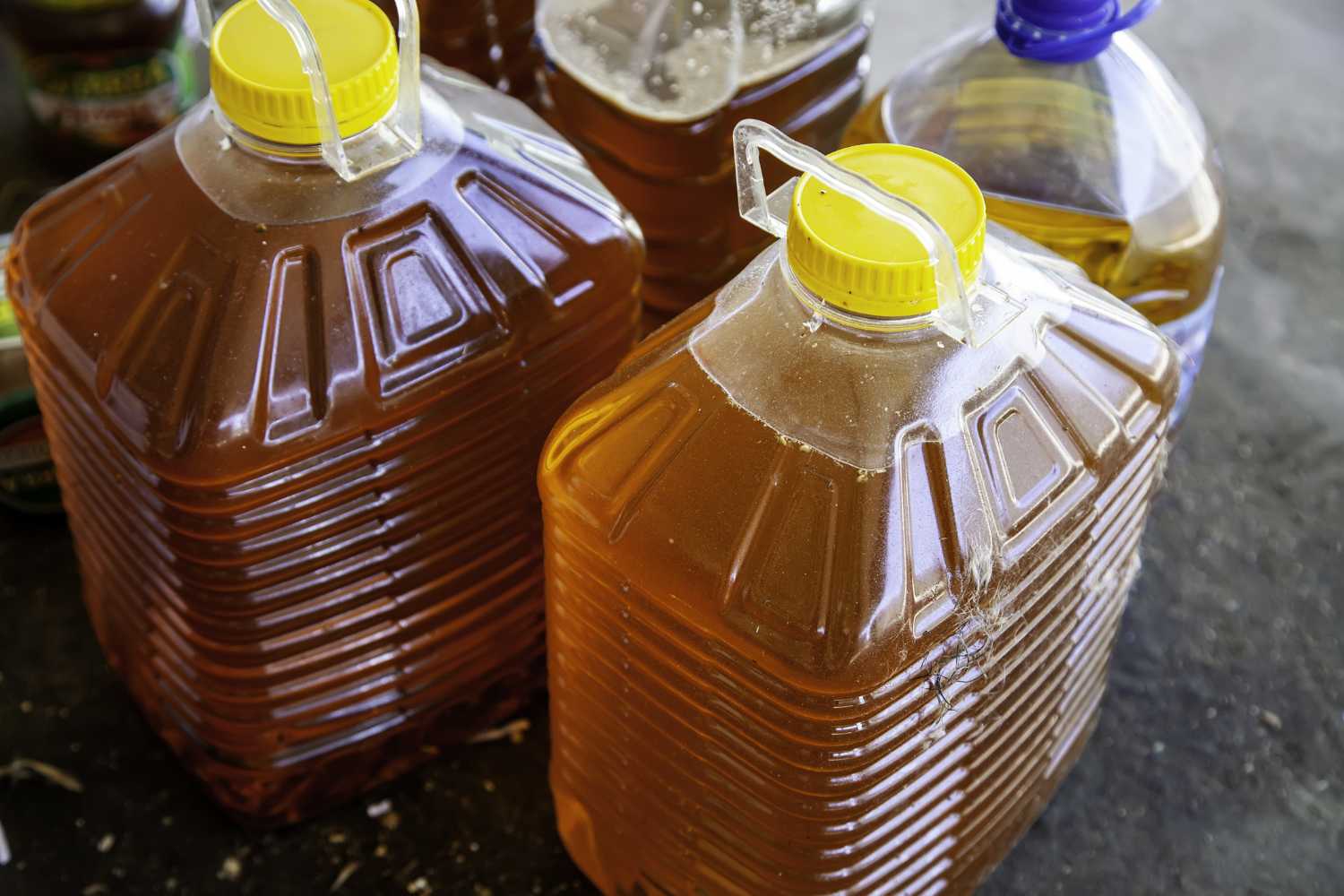
Once full, the bottle will be given to the separate collection centers as a special waste (often supermarkets, mechanical workshops and other businesses have special containers for the collection of used oil). In some cities, the door -to -door collection service also includes the withdrawal of exhausted vegetable oils.
Creative alternatives for reuse
The frying oil, if filtered thoroughly, can have a second life. Small quantities can be used to feed the leather of shoes and bags, or as a fuel for outdoor lamps. Those who have the fireplace can mix it with the sawdust to obtain excellent natural ignitions.
Prevent it is better than to stop
Prevention remains the most effective weapon. Clean pots and pans with absorbent paper before washing removes most of the fat residues, while for very greasy dishes, a first rinse with hot water and detergent in a basin will prevent the oil from ending up directly in the drain.
Remember: every drop of oil that does not end in the sink is a small contribution to the health of your pipes and the environment. Your unloading will thank you.
Don’t you want to lose our news?
