
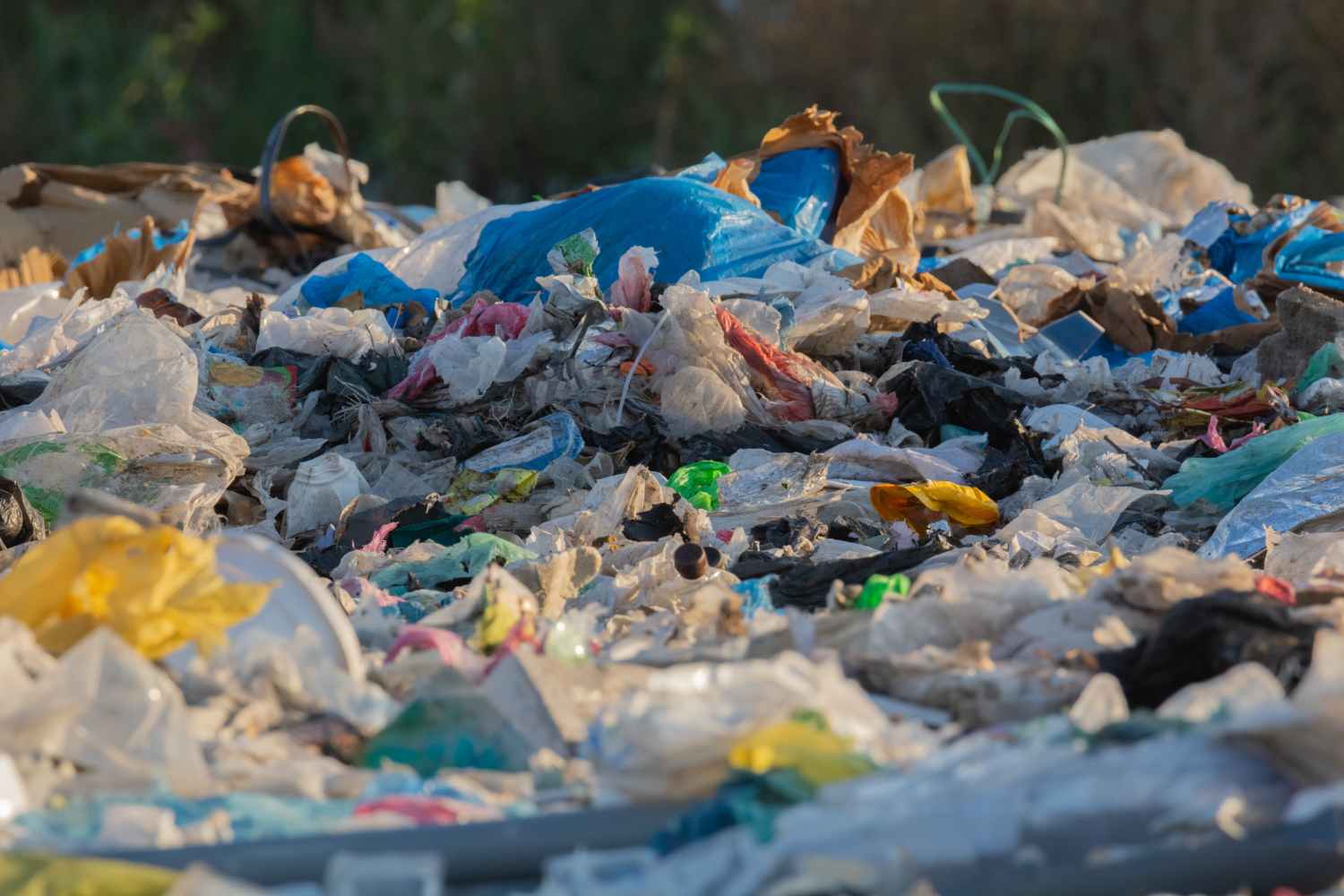
While science confirms the presence of microplastics in our vital organs, in Geneva international politics has failed the appointment with history. The shipwreck of the negotiations for a global treatise that limited the production of plastic, has passed by the economic interests of a dozen nations has almost passed on.
The meeting, which met 184 countries to put a brake on unbridled production for the first time, turned into a colossal flop. To ship the understanding was the opposition of a group of states that includes names such as the United States, Russia, China, Saudi Arabia and India: nations where the interests of the petrochemical industry and the plastic supply chain weigh more than the health of the planet and its inhabitants.
Still, nobody talks about it. While the scientists’ alarm becomes more and more deafening, the news of this failure has slipped away from the first pages and news. The research, however, do not stop and what they discover is nothing short of disturbing. The micro and nanoplastics have now been found in the human brain, in the seminal liquid and in the arteries. Although studies are still in progress, a link is suspected with very serious pathologies such as stroke, infertility, obesity and neurological alterations.
Research conducted by Professor Margherita Ferrante of the University of Catania has documented the presence of Nanoplastics in the eyes of the fish, which gradually lose their sight – asks for Marevivo -. It is legitimate to ask: what if it also happened to human beings? If a child – generated by already contaminated cells, kept in a compromised and breastfed placenta with microplastics – was born blind, what would we say? What would we do?
To launch the alarm on this deafening silence is precisely the environmental foundation, which for over 40 years has been fighting against plastic pollution. They, through an open letter, denounce like the interests of the very powerful lobbies – from chemical to those of large retailers – are actually paralyzing any attempt at change.
A paralysis that we also see in Italy. An example above all is the “saving” law, a common sense rule approved by Parliament but which has been waiting for the implementing decrees for more than three years to become fully operational. This law, as Marevivo recalls, contains a revolutionary principle: to finally allow fishermen to bring to the ground plastic that accidentally collect with their networks. Today, for a bureaucratic absurdity, that refusal must be ribotted at sea, otherwise the fisherman would risk a complaint for illegal transport. A vicious circle that the law could break, if only it is applied.
The Secretary General of the United Nations, António Guterres, used very hard words, speaking of a risk of “collective suicide” if we do not act quickly. But his appeal, as well as the failure of the treaty that should have started to reverse the course, seems to have lost in the void.
We ask media, politics, civil society to open their eyes, overcome indifference and treat the crisis from plastic for what it is: a real existential threat. The weather has expired, explained Marevivo
Don’t you want to lose our news?
