
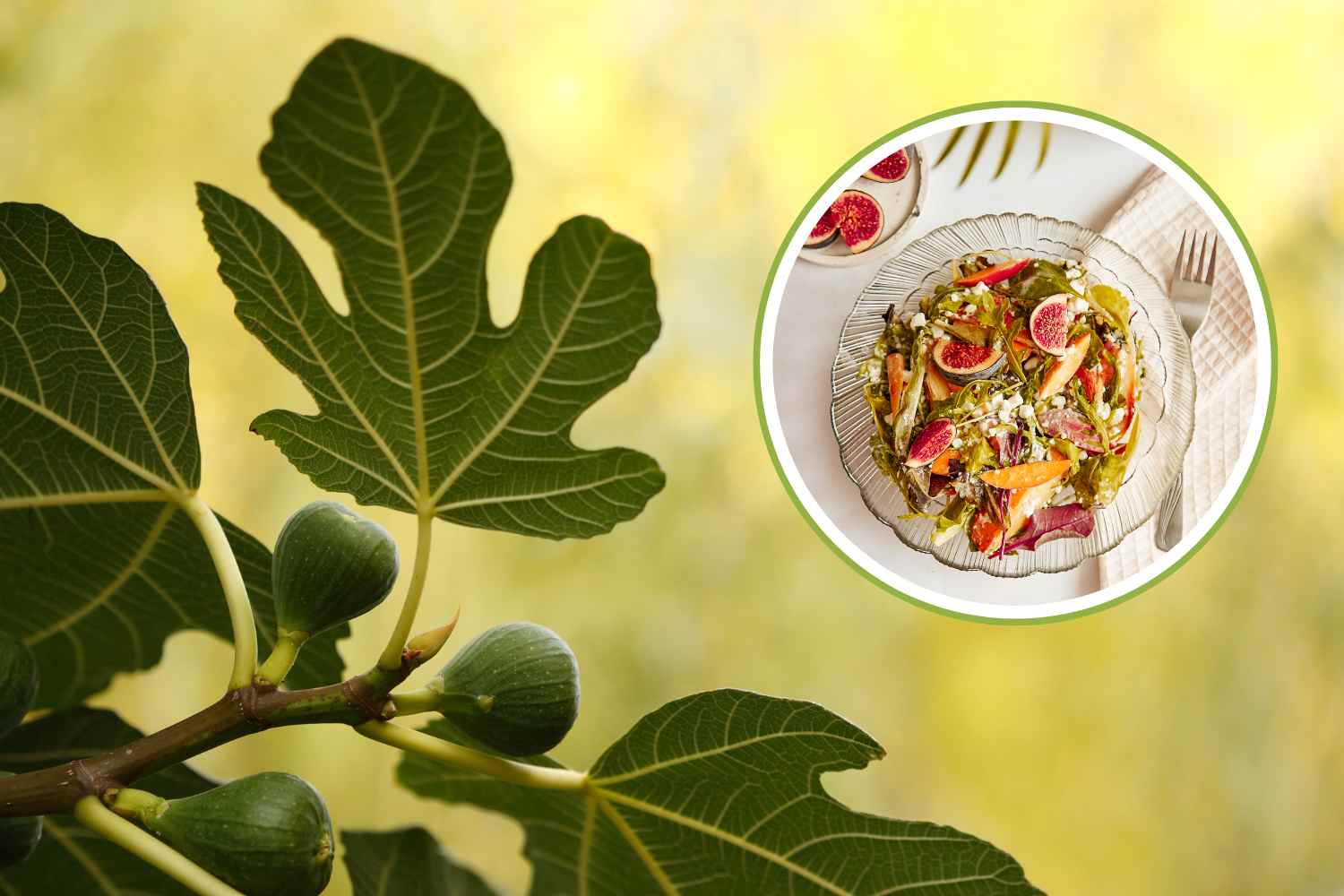
Fico leaves are often considered a simple waste or, at most, an aesthetic component in the most refined dishes, when in reality they hide a surprising culinary potential, which can transform ordinary dishes into intriguing and sophisticated taste experiences. Thanks to their unique aroma and versatility, fig leaves can be used in the kitchen in creative and unexpected ways.
Let’s find out how to make the most of this unconventional but extraordinarily useful ingredient.
La Spezia of Fico leaves: an original touch for your dishes
One of the most surprising uses of fig leaves is the creation of a sweet and fragrant spice, with a bright green color. This spice can add a touch of originality to the simplest dishes, transforming them into real delights for the palate. Preparing it is really simple: just drying about ten fig leaves, preferably in a shaded and well -ventilated place, to preserve all its aromatic properties.
Once dried, the leaves must be blended first with a mixer, then with a grinder or a spice grind, until a fine powder is obtained. The result is a versatile spice that can be used in purity or combined with other dried herbs such as Artemisia, Salvia, Rosmarino or Lavanda, for a personalized mix capable of enriching different recipes.
How to use La Spezia di Fico leaves in the kitchen
The possibilities of using the spice of fig leaves in the kitchen are practically infinite: the delicate flavor and the lively color make it perfect for many preparations, from the simplest to the most elaborate.
For example, La Spezia can be used to color the fresh pasta of a natural green, giving it a slightly sweet flavor and an attractive appearance. Even in the sponge cake or in the shortcrust pastry, the spice of fig leaves can add a unique touch, transforming classic sweets into original and surprising versions.
The minced fig leaves can also be used to season the potatoes, whether they are read, fried or in the oven. Just a sprinkling to give a touch of originality to a simple side dish, making it more aromatic and tasty. But not only that: this spice lends itself beautifully also to decorate dishes, flavor risotto or add a fresh note to the cocktails. Imagine, for example, a panna cotta or a custard slightly flavored with fig leaves: the result will be a refined dessert, with a delicate and unusual flavor.
Another interesting use is that of the spice of fig leaves mixed with breadcrumbs for breading. Whether it’s vegetables, tofu, meat or fish, the mix will give a particular crunchiness and flavor, which will make each bite a discovery. Even in the smoothies of summer fruit, a sprinkling of spice of fig leaves can add a green and aromatic note, which goes well with the sweetness of the fruit.
Fico leaves infusion
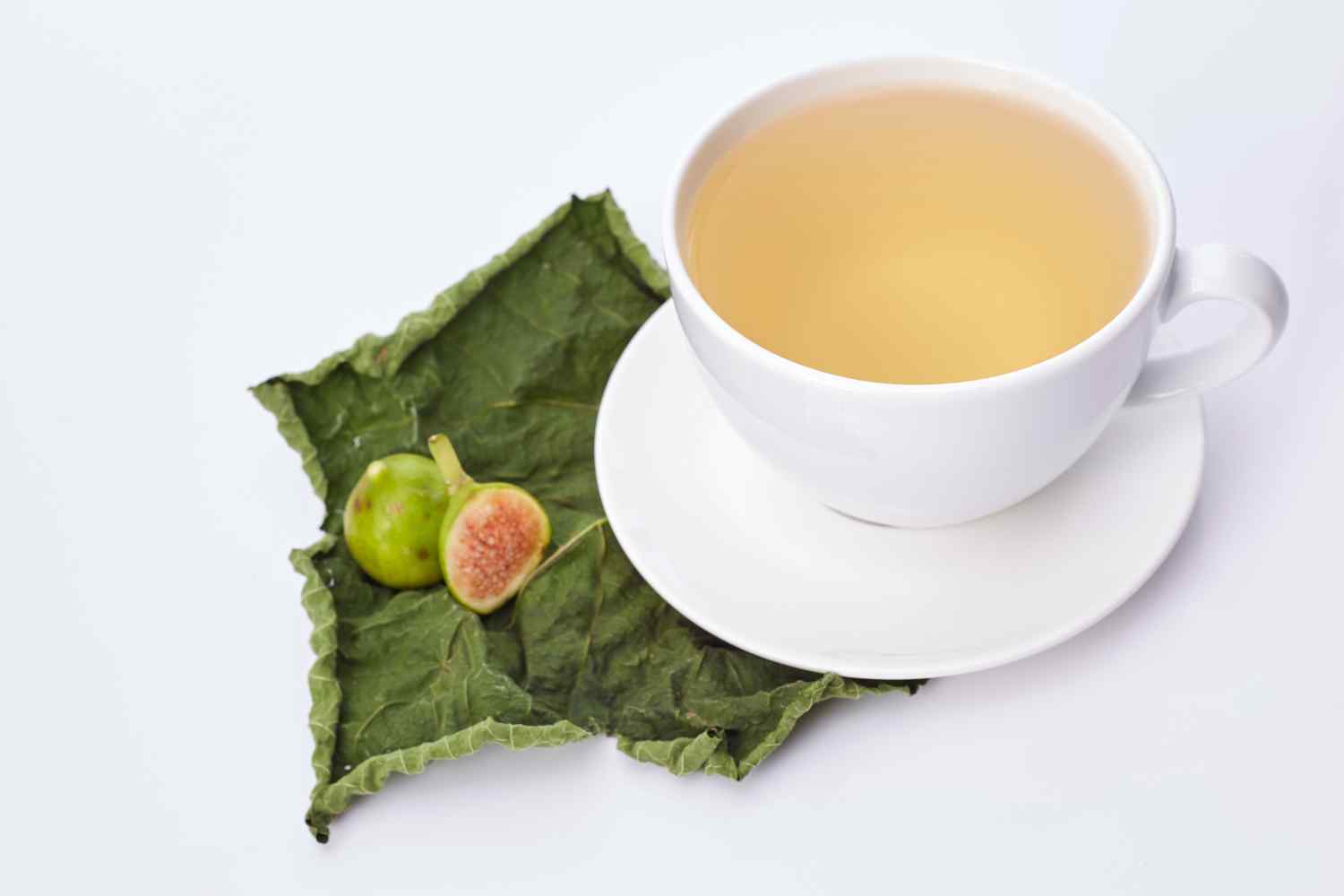
The infusion of fig leaves is a simple and natural drink, used for centuries in the popular tradition for its digestive and calming properties. Preparing it is easy: just collect some young and healthy fig leaves (better fresh, but they are also good dried), wash them carefully, cut them into small pieces and let them boil in the water for about 10 minutes. After the boiling, let it rest for a few minutes, then filter and drink hot or warm. It has a herbaceous and slightly sweet taste, and can be enriched with a slice of lemon or a teaspoon of honey.
Experimentation and creativity in the kitchen
The cuisine is also experimentation and creativity, and the fig leaves offer a perfect opportunity to test their culinary skills. There are no rigid rules for the use of this spice: the important thing is to let yourself be guided by taste and curiosity. For example, you could try to use it on grilled vegetables, to add an aromatic touch that will enhance the flavors of the grill, or experiment with fermented, integrating the spice of fig leaves to give a green note to the homemade sauerkraut or other fermented preparations.
And if culinary creativity has no limits, even the use of fig leaves in other contexts can prove surprising. In the event of an emergency, for example, you may mix La Spezia with water to create a natural color, perfect for making children paint or coloring the salt paste.
Fico leaves: an ingredient to rediscover
The fig leaves are a perfect example of how an often neglected ingredient can become the protagonist in the kitchen. The delicate flavor, the versatility and the ease with which they can be transformed into a unique spice make them a precious addition to the pantry of those who love to experiment in the kitchen.
For many, the idea of using fig leaves may seem unusual, but with a little creativity and experimentation, this ingredient can open new culinary paths. The dried and ground fig leaves not only add flavor and color to the dishes, but also bring a touch of originality that can surprise and amaze your diners.
Don’t you want to lose our news?
