
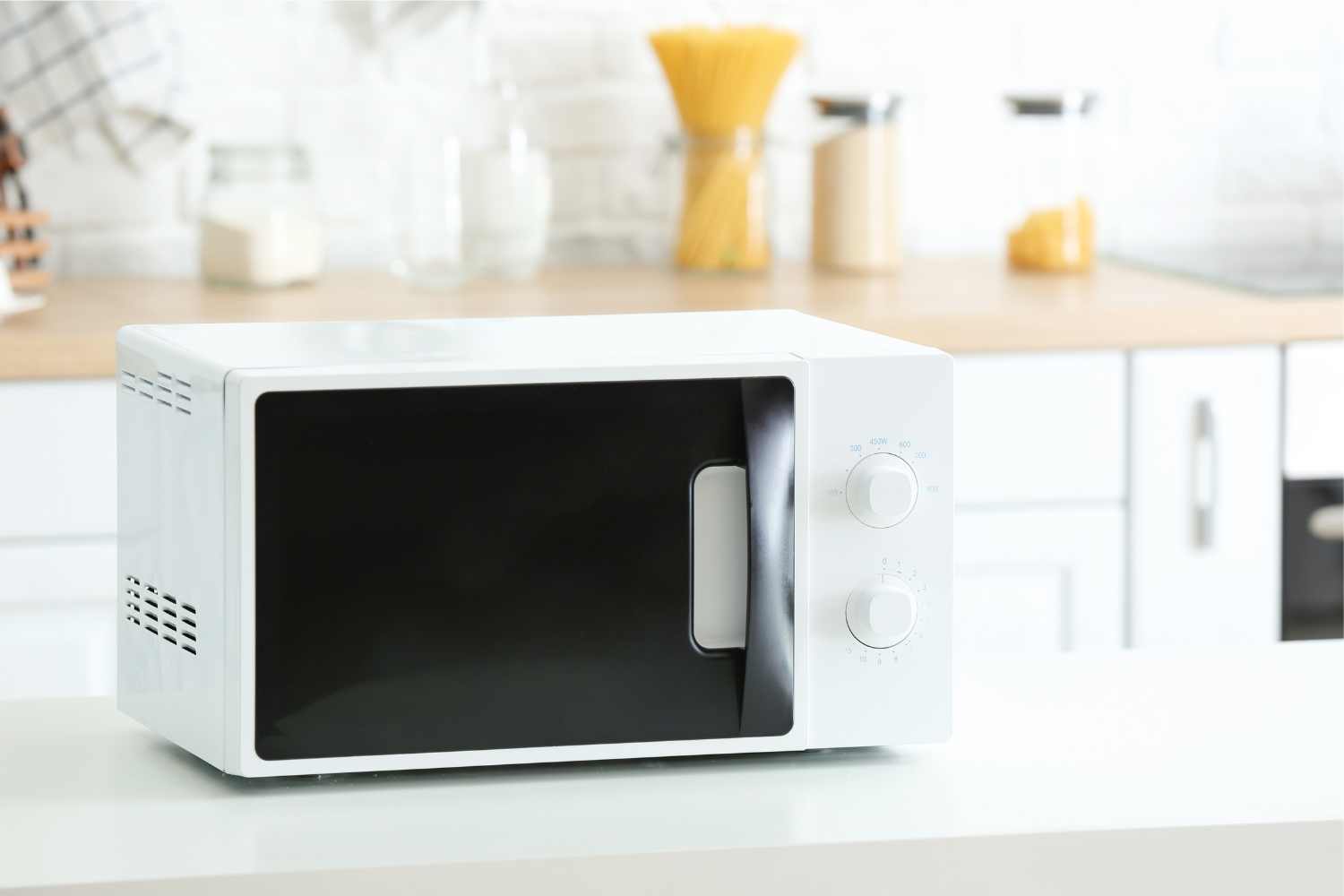
The main problem of the microwave lies in its own principle of operating. The microwaves make the water and fat molecules vibrate in food, but this action takes place irregularly. Do you know that lasagna burning at the edges while in the center remains freezing? It is no isolated case.
When it comes to frozen foods, the situation worsens. The ice crystals distributed in food create areas that heat up at different speeds, so the external parts reach high temperatures and start cooking, while the heart of the product remains cold. The phenomenon becomes dangerous with large pieces of meat or fish: a roast may seem ready outside and preserve raw parts inside, a concrete risk for health.
The invisible threat of bacteria
The temperature is the enemy of microorganisms, but only if applied correctly. The freezing blocks the bacterial proliferation without eliminating it: when we do not defrost a food, the bacteria awaken and multiply quickly.
The microwave creates a particularly risky situation: some areas of the food reach warm temperatures, ideal for bacterial growth, while others remain cold. If we then let the food rest after pulling it out of the microwave, as often happens for a hurry, we offer bacteria a perfect environment to proliferate. Salmonella and Escherichia coli love these conditions.
The refrigerator remains the safest method: the controlled and constant temperature allows a gradual defrosting that maintains the food always under 5 ° C, a critical threshold for food safety.
The salty account of energy

Contrary to what you think, the microwave is not always the cheapest choice. A medium-power microwave oven consumes about 800-1000 watts. To completely defrost a kilo of meat, at least 15-20 minutes are needed at the reduced power of 30-40%, plus the time necessary for the next cooking.
Then there is the question of double cooking. When we use the microwave to defrost, we often have to cook the food in a pan or in the oven, doubled the energy consumption. Those who plan meals and defrost in the refrigerator the night before saves time and energy.
The quality of the food is affected
The flavor and consistency of the foods suffer with the defrosting in the microwave. The bread becomes rubbery, loses its crunchiness and after a short time it turns into an inedible brick, while vegetables lose vitamins and nutrients, because the rapid heating process destroys vitamin C and other thermossensible substances.
Smarter alternatives
There are better strategies to manage meals without resorting to the microwave. Planning is essential: transfer the food from the freezer to the refrigerator the night before requires only a minute of attention but guarantees optimal results.
For real emergencies, cold water works better than the microwave. Dip the sealed food in a bag in cold water, changing it every 30 minutes, allows uniform defrosting in 1-2 hours. This method preserves the quality of food and reduces bacterial risks.
Direct cooking from frozen is an option valid for many foods. Frozen vegetables can be sautéed directly in the pan, the oven pasta can go in the oven still frozen by increasing the cooking times by 50%. This technique eliminates the risk of bacterial contamination because the food passes directly from the cold to intense heat.
When the microwave becomes dangerous
Some foods should never see the interior of a microwave. Frozen sea fruits easily develop toxins if you do badly defrost. Food eggs can explode, such as foods with wraps or skin (sausages, whole tomatoes), which risk bursting by projecting hot sketches.
The containers are another underestimated problem. Many people use unsuitable dishes or containers that release chemicals when heated. Plastic non -certified microwave can dissolve and contaminate the food, while the dishes with metal decorations could generate dangerous sparks.
The solution lies in the organization
Changing habits requires initial commitment but brings lasting benefits. Dedine half an hour to Sunday to plan the meals of the week and eliminate the daily stress of the “What I eat today”. Frozen in single portions, aspect that facilitates management, and remember to label with the date, in order to consume, from time to time, first the oldest foods.
Technology can also give you a hand: there are apps that remember what we have in the freezer and when to defrost every food. A timer on the phone can warn us to move tomorrow’s dinner from the freezer to the fridge.
The microwave remains a very useful appliance to heat the already cooked foods and to prepare specific recipes, but to defrost traditional methods they win on all fronts: safety, quality, savings. The next time the haste pushes you to that defrost button, stop for a moment. Your health and palate will thank you.
Don’t you want to lose our news?
