
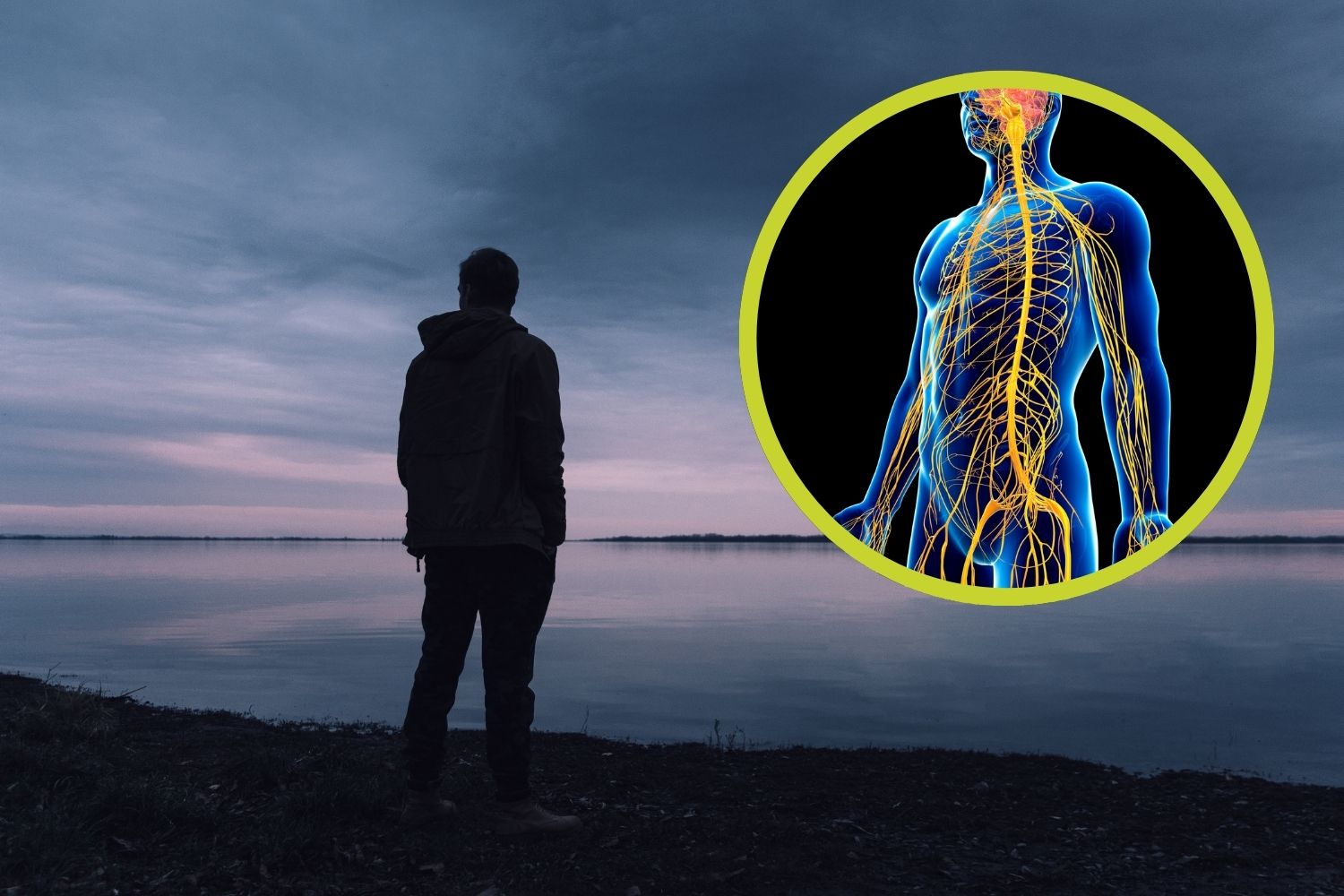
September has arrived and the situation responds more or less to the following: the alarm clock sounds at the same time ever, but getting up from the bed seems a titanic effort. During the day you drag you with a tiredness that the coffee can no longer drive away, the hair remains on the brush more than usual, in the evening you collapses on the sofa at nine, but when you go to bed you can’t fall asleep.
If what is described, it sounds familiar to you know that you are not the exception. Millions of people live this same experience every year, just when the summer leaves room for autumn. Your body is trying to tell you something. But what exactly?
The tiredness that comes from nothing
The feeling of tiredness due to the change of season has a precise manager: we are talking about sunlight. The days are shortened, the sun set before, and your body has to deal with a new hormonal balance. High levels of melatonin cause a lowering of serotonin levels, with consequent appearance of the following symptoms: apathy, sleepiness and weakness. Your body produces more melatonin when there is less light, and this explains why you feel so tired even if you have slept eight hours. But there is more: after months of exposure to the sun, the chlorine of the swimming pools and the salt of the sea, your body has consumed many energies to protect itself and now presents the account.
Hair loss

Open the shower exhaust and find it clogged, the brush is full of hair. On the pillow in the morning you find others. According to recent studies, people experience a more significant hair loss right in autumn: the hair has undergone a real oxidative stress during the summer, between sun, salt and chlorine, all elements that have made them more fragile, and now pay the consequences.
Sleep that does not arrive (or gets bad)
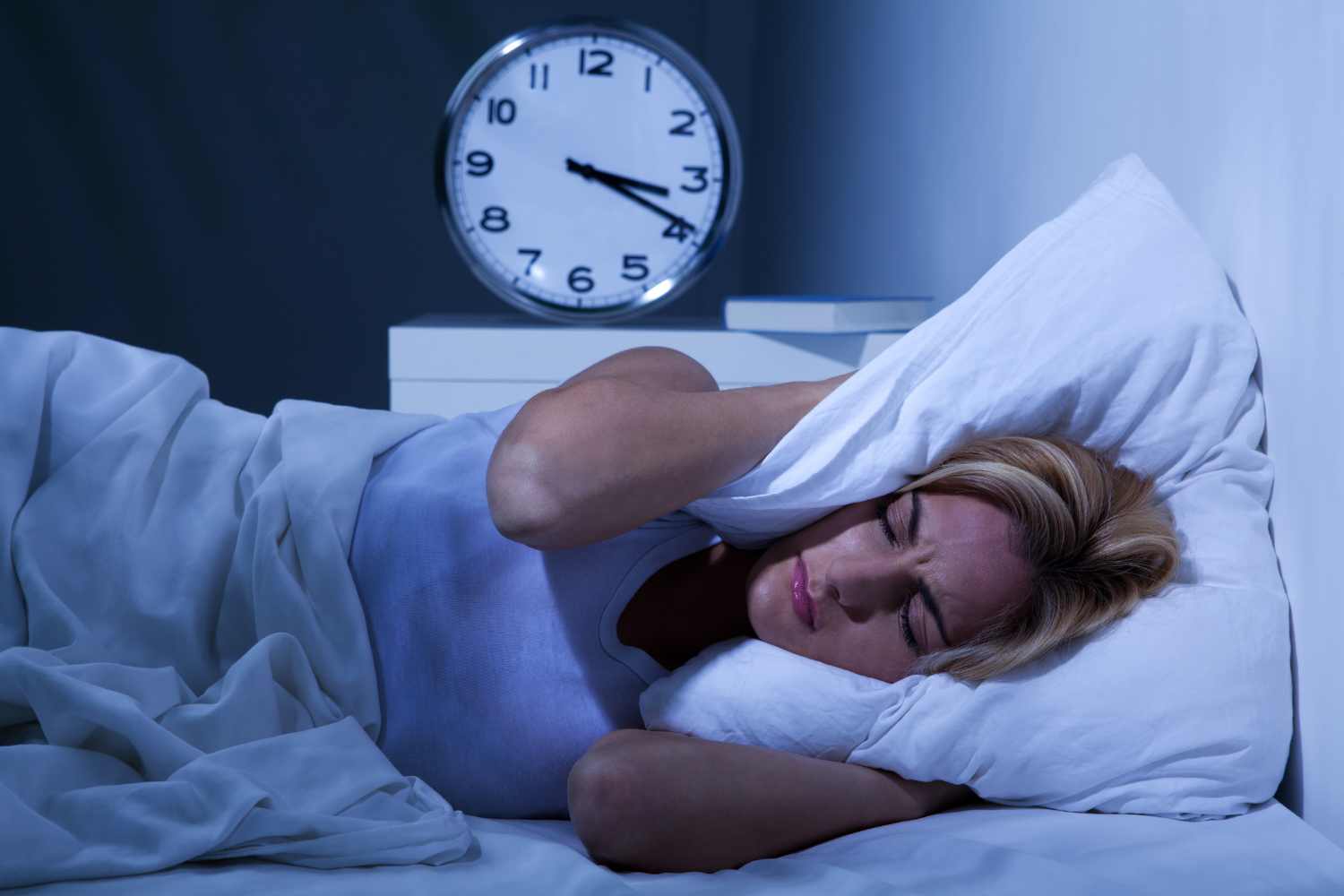
You fall asleep in front of the TV at nine in the evening, but when you go to bed you are completely awake. You turn around and turn in bed, you wake up several times during the night and in the morning you are more tired than when you went to sleep.
The changes in temperature and light can interfere with the quality of sleep, causing difficulties in the sleeping, insomnia and nocturnal awakenings, more or less frequent. Your circadian rhythm is trying to adapt to the new relationship between light and darkness, and this process takes time.
The appetite that changes

Suddenly you want carbohydrates. Pasta, bread, desserts. Your body seeks immediate energy to compensate tiredness. Our body could react to sadness and physical fatigue asking for more food, in particular carbohydrates, usually associated with satisfactory foods for the stomach and mood. Some completely lose the appetite, others eat compulsively and both reactions are normal, because the body is trying to find the right balance.
The mood that makes the roller coasters

From a quiet state of mind passes to an irritable, grumpy, without a real motivations. The slightest thing annoys you and melancholy takes over – perhaps looking at the photos of the holidays. The decrease in the hours of light and exposure to the sun plays an important role in all this: in fact, it leads to a decrease in serotonin levels, the hormone that influences mood, appetite and sleep. It is not depression, it is only the brain that is adapting to the new levels of light and the consequent hormonal changes.
The concentration is still on vacation
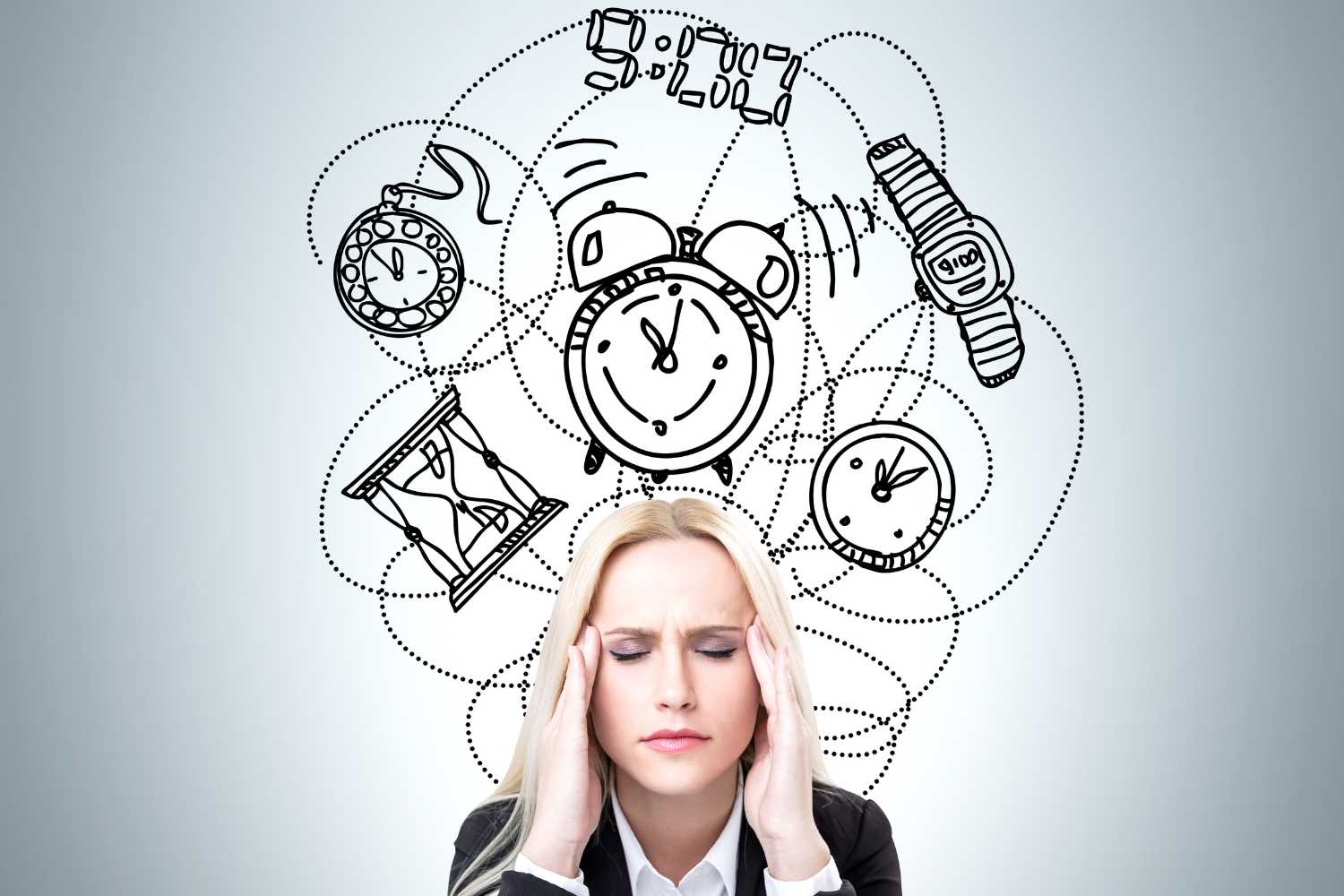
At work you struggle to focus, read the same email several times, ending up forgetting some appointments. The mind wanders continuously: the typical symptoms of the change of season can last a few days or last even for a relatively long period. Why does all this happen? Your brain is using energy to adapt to seasonal changes, so it is normal that other functions are temporarily affected.
What can be done
First of all, recognize these signals for what they are: messages from your body, not symptoms of illness. Then, act intelligently.
When to worry
If the symptoms just described should last more than a month, seriously interfere with your daily life, and was accompanied by important weight loss and other unusual symptoms, you will have to consult your doctor. Another any symptoms to be taken into consideration, together with Astenia, are low pressure, poor appetite and mental confusion.
The change of season is a challenge for the body, which can be overcome, you just have to give it time and support it in the right way. Listen to his signals instead of ignoring them, because your body knows what it is doing, so trust him and act accordingly.
Don’t you want to lose our news?
