
We have already talked about pencils with unlikely shapes and erasers with little eyes, useless diaries and useless glove boxes and, above all, the “Limited Edition” anxiety that pushes us to purchase. But how much does it cost us? From an environmental point of view, what impact does this almost obsessive way of shopping have?
Even in the world of stationery, pay attention, trends seem to chase each other at dizzying speed and every year new products appear that promise to combine aesthetics, practicality and innovation. All marketing, rather. An example of this is probably erasable pens which, with their attractive design and the functionality they offer (correct without leaving a trace), have become a must for many.
But, behind this “revolution”, a question arises that deserves attention: are they really a sustainable solution or, in reality, do they risk being yet another face of disposable plastic, which disguises itself as a novelty to hide its environmental impact?
Are erasable pens innovation or ephemeral consumption?
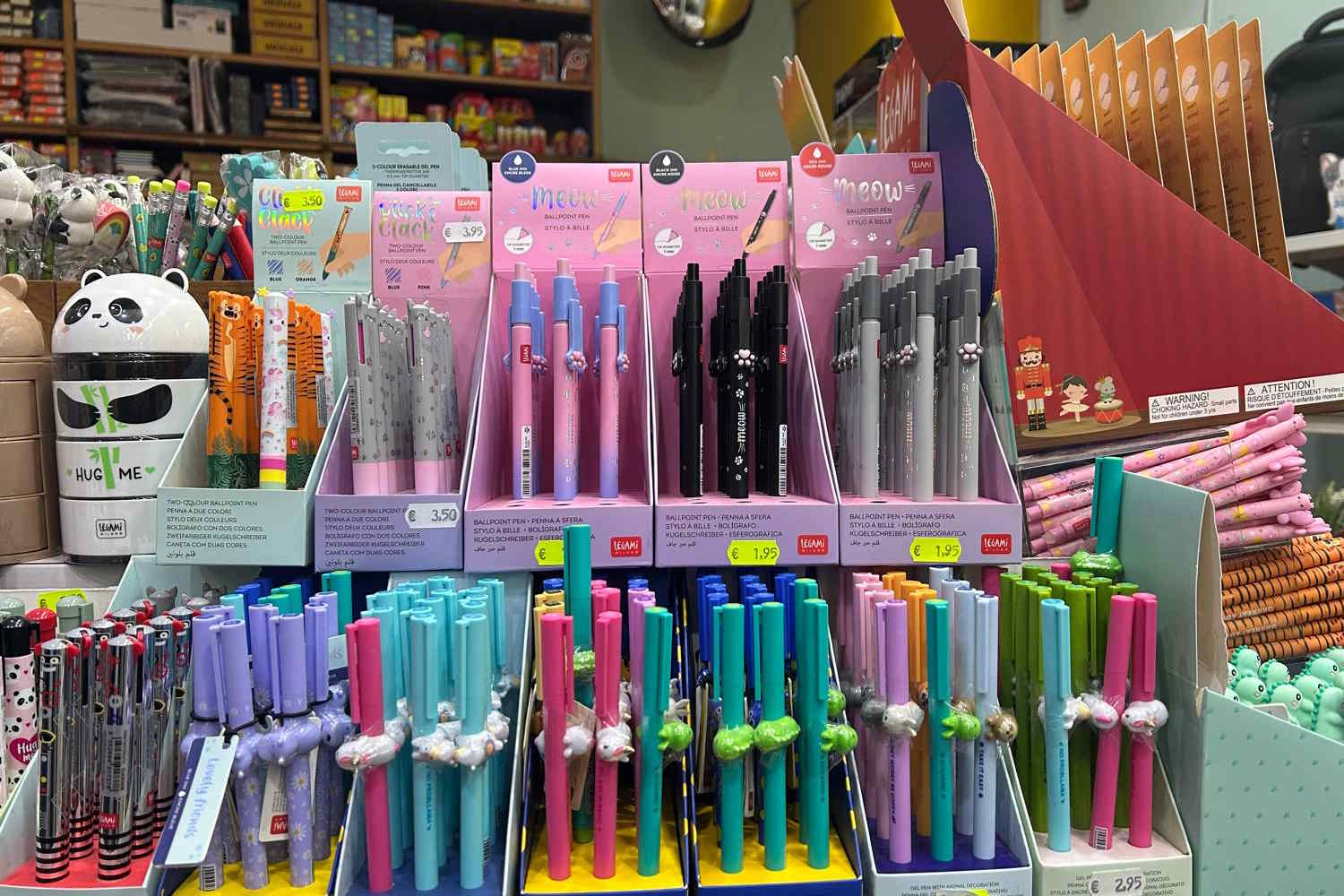
The erasable pen has quickly become one of the most popular accessories for those looking for a practical alternative to the traditional pen. This product, which allows you to easily correct errors written with erasable ink, seems to respond perfectly to a need for speed: you can easily eliminate an error without needing to correct with white paper. Legami, with its captivating and “cute” design (the Kawaii effect is just around the corner) and the promise ofuser-friendly experiencehas focused heavily on these tools, managing to conquer the market with its mix of aesthetics and functionality.
But when you look more closely at the impact of these products on sustainability, things are not so simple. Each erasable pen is made of plastic, which is notoriously difficult to recycle. A product which, despite its prolonged use compared to a normal “disposable” product, still risks being abandoned after a few months of use.
Top-ups exist, but how much are they actually used?
An element that could justify greater attention to the product is the presence of refills. Legami has introduced refillable erasable pens, allowing you to replace the ink instead of having to buy a new pen. The idea of a pen that can last longer thanks to recharging seems like an ideal solution to reduce environmental impact.
Yet, the question remains: how much are these top-ups actually used? Everyday experience suggests that most consumers prefer to purchase a new pen, rather than invest in a refill, due to the product’s low price and convenience. Furthermore, the throwaway culture, rooted in our way of consuming, let’s face it, does not facilitate the transition to more responsible behavior.
This behavior is reflected in the numbers: despite the availability of refills, the reality is that many continue to throw away finished pens rather than reuse them, favoring an inefficient consumption cycle. In short, the positive impact of top-ups remains marginal.
Is traditional stationery more eco-friendly?
And perhaps yes: pens, pencils, notebooks and diaries made with durable and, when possible, recyclable materials, are a choice that lasts over time. “Classic” stationery, often less attractive in its designs, stands out for its commitment to sustainability and resistance. Many of these products are designed to be rechargeable or repairable, which, although less glamorous, has a positive impact in the long run.
Additionally, some manufacturers are making an effort to use eco-friendly materials, such as recycled plastic, paper from responsibly managed forests and water-based inks. These measures, although more expensive for the consumer, help reduce the ecological footprint compared to the disposable plastic that characterizes the majority of modern stationery products.
With Legami, but as with many other brands, innovation does not necessarily have to mean waste. Erasable pens are an example of how design can influence our purchasing behavior, but the ecological impact cannot be ignored: plastic remains one of the most environmentally damaging materials.
In short, refillable erasable pens might seem like a revolution, but if there is no concrete commitment to promote the use of refills and a real change in consumption habits, they risk being a new disposable plastic. The ideal solution would be to encourage refills, minimize the use of plastic and promote more sustainable consumption behaviors.
The future of sustainable stationery depends on conscious choices: less plastic and real education on reuse. If this happens, all brands could truly be part of an ecological revolution. At the moment, allow us, their popularity seems more linked to the beauty of the design than to sustainability.
