
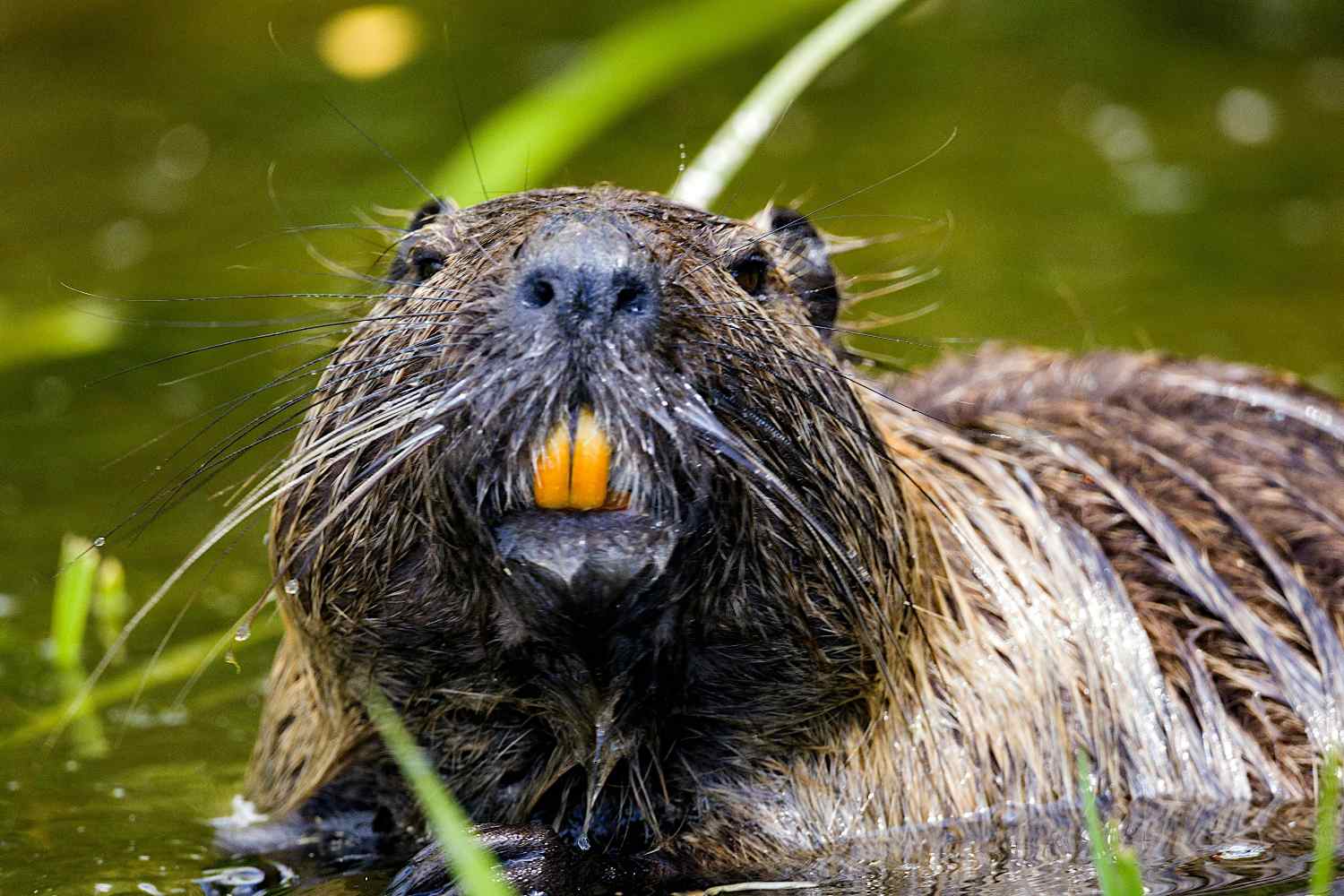
The European beaver has returned to populate the banks of the Ticino river, marking an event that local authorities define as being of great ecological importance. After the first sighting recorded in December 2024 in Castelletto di Cuggiono, in the Milan area, new tracks and reports have confirmed an increasingly stable presence along the waterway.
Making the phenomenon official are the four parks of the UNESCO MAB area “Ticino, Val Grande, Verbano”, which have started a joint agreement for the scientific monitoring of the species. The most obvious evidence of the presence of the rodent are the typical gnawing marks on the trunks, unmistakable signs of its passage and its construction activity.
The nature engineer and the role in river ecosystems
Defined by experts as a true “nature’s engineer”, the beaver is known for its ability to modify the river environment through dams and natural structures. These interventions can contribute to reducing flood risk and improving habitats, creating wetlands richer in biodiversity.
According to observations collected in Europe, where the species is already present on a stable basis, its activity can also promote the redevelopment of river ecosystems. However, the objective declared by the authorities is clear: to guarantee a balanced coexistence between wildlife and human activities, without conflicts with agriculture and infrastructure.
The Parks plan: study, control and citizen reports
To better manage the presence of the beaver, the Ticino Parks have started a shared study and monitoring program. Park rangers and volunteers are already active in the area to map movements, dens and signs of activity, with the aim of understanding the real impact of the species on the ecosystem.
The contribution of citizens will also be fundamental, in a real citizen science “mission”. Canoeists, fishermen and hikers are invited to report any sightings or tracks to the competent bodies, becoming an active part of environmental monitoring.
How to recognize the beaver and distinguish the species
Environmental authorities point out that the beaver should not be confused with the nutria, which is often present in the same areas. The beaver is in fact larger and recognizable for its flat and scaly tail, as well as its characteristic orange teeth, due to the high presence of iron which makes them particularly resistant to gnawing wood. Completely herbivorous, the beaver feeds on riparian vegetation and trees, indirectly contributing to the transformation of the river landscape. A return that gives hope that nature is slowly regaining spaces along the Ticino.
View this post on Instagram
You might also be interested in:
