
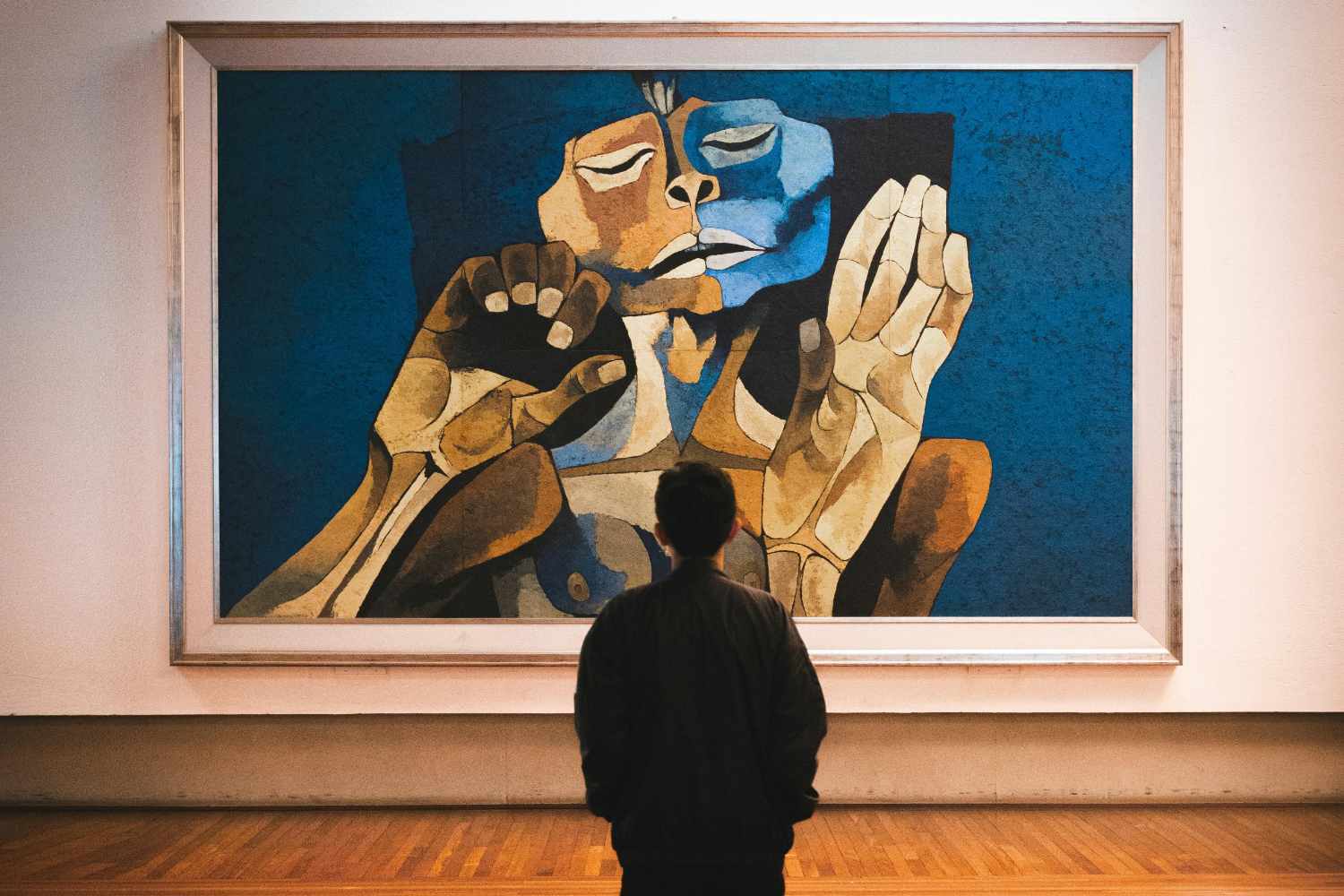
A ticket for a theater show instead of simple general advice, a visit to an art exhibition to ease anxiety or a concert as an opportunity to find sociality and serenity. This is the philosophy of social prescribing, the new project that the Tuscany Region is developing together with Unicoop with the involvement of family doctors, leading the way in Italy.
The idea was born from a principle now supported by numerous scientific studies: participation in cultural and social activities can contribute to people’s psychological and physical well-being, becoming a valid support for traditional prevention and health promotion strategies.
A project that involves healthcare and the world of culture
From today the joint work between the Tuscany Region and Unicoop will begin to define contents, operating methods and collaborations. The central role will be entrusted to general practitioners, who will be able to suggest real “g’s” to their patients, directing them towards initiatives designed to improve the quality of life.
According to Claudio Vanni of Unicoop Firenze, cooperatives were created to respond to people’s needs and today these needs do not only concern nutrition, but also overall well-being and the quality of social relationships.
The experiences already underway serve as a model
The initiative does not start from scratch. In Sesto Fiorentino some doctors have already advised patients to take part in the walks organized by the Unicoop member sections, recording positive effects on their well-being. Cultural and theatrical activities aimed at adolescents have also been tested in Lucca on the recommendation of paediatricians, while in Siena the project directly involves family doctors. The objective now is to build a stable network that brings together theatres, libraries, reading groups and cultural spaces, creating an accessible and widespread system across the territory.
Symbolic tickets and attention to the most fragile people
Among the entities that could join include the Puccini Theater, the Verdi Theater, the Nelson Mandela Forum and the Cartiere Carrara. Tickets could be free or offered at symbolic costs, precisely to enhance the social function of the initiative and encourage participation.
The project looks primarily at the elderly, a category most exposed to the risk of social isolation, but could also be extended to young people and other segments of the population. Loneliness, in fact, is recognized as a factor that can negatively impact the quality of life, promoting depression and cognitive decline.
The experimental phase should start in October in a limited area of Tuscany. Subsequently, based on the results obtained, the model can be extended to other territories in the region through a resolution that aims to make social prescription a stable instrument of welfare and prevention policies. An initiative that tries to transform art, reading and cultural participation into a concrete ally for health.
You might also be interested in:
