
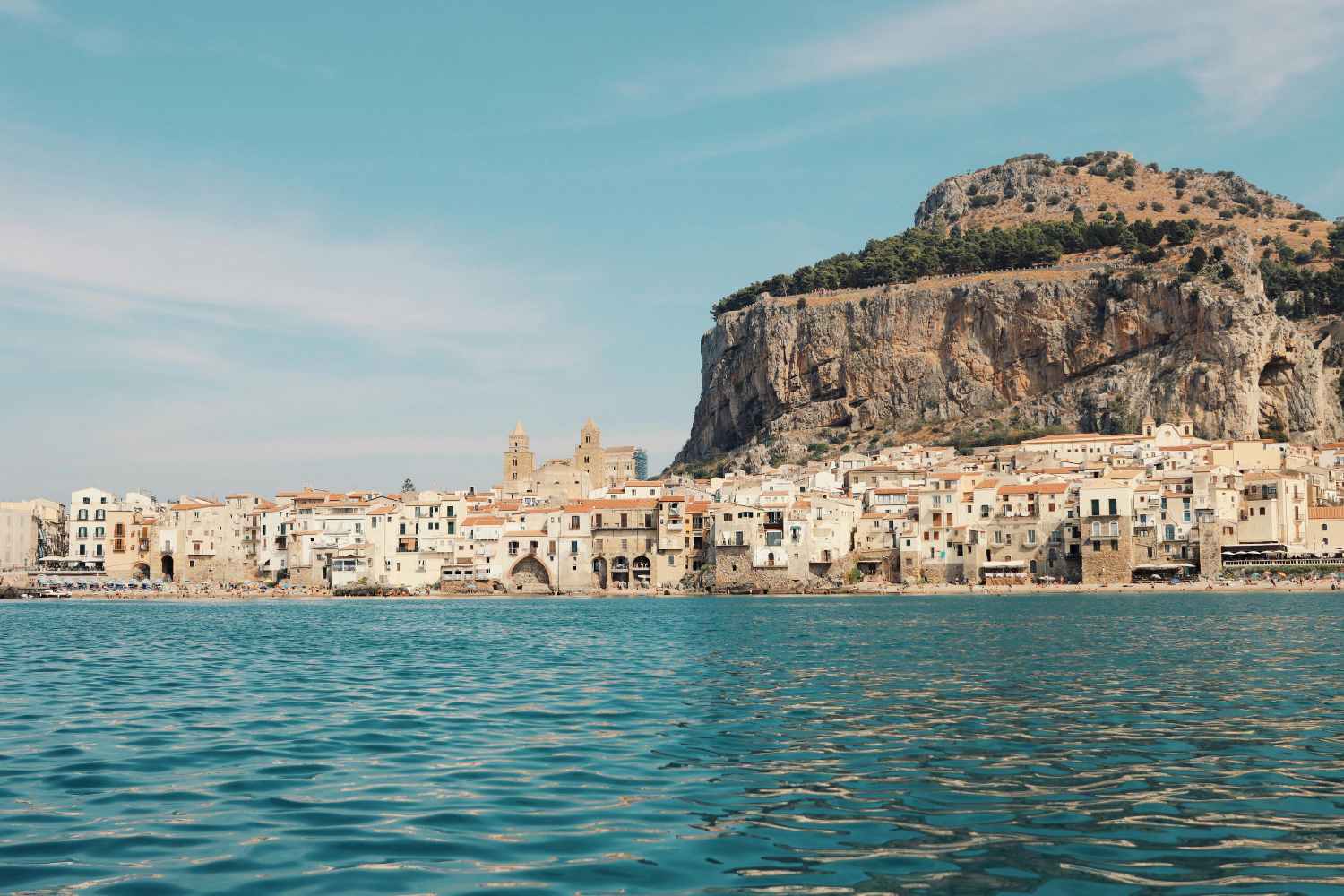
On 10 June 2026, the European Commission approved the first strategies ever dedicated specifically to the islands and coastal communities of the Union. A result that has been awaited for years by local administrators, fishing communities and environmentalist associations, who finally obtain a coordinated political framework designed for their specificities, rather than being included in a fragmented way in cohesion policies or marine directives.
The numbers explain the scope of the initiative. Around 17 million people live on islands in 16 member states — three of which, Cyprus, Ireland and Malta, are full island nations. 95 million people live along the 70,000 kilometers of European coasts, 21% of the EU population: a share that inhabits territories exposed to climate change, coastal erosion and the loss of marine biodiversity.
Islands: four pillars against isolation
The strategy for the islands is divided into four axes. The first concerns economic development, connectivity and innovation: diversifying local economies, promoting sustainable tourism and bridging the infrastructural gaps that still penalize many island communities. The second focuses on energy and the environment: decarbonisation, renewables, climate adaptation. For many islands it mainly means reducing dependence on diesel generators and building local energy systems based on photovoltaics and storage. The third axis addresses the demographic issue – many islands are losing inhabitants, especially young people – by focusing on public services, healthcare, construction and education. The fourth pillar concerns security and management of climate crises.
Coasts: blue economy and liveability
For coastal communities there are three priorities. Prosperity: a diversified blue economy that embraces fisheries tourism, marine bioeconomy and offshore renewables. Resilience: Climate adaptation through the OceanEye initiative for environmental monitoring and coastal risk assessments. Liveability: attractive places for people of all ages, with maritime culture and local identity as assets, not nostalgia. Concrete tools already in the pipeline include the future Ocean Act for maritime spatial planning and a certification system for blue carbon credits, which could generate new economic opportunities for coastal communities.
What happens now
The two strategies work in parallel, strengthening on shared challenges. Implementation passes to Member States, who are invited to include targeted measures in national partnership plans. The European Investment Bank is called upon to play an active role in financing coastal adaptation. For now, the outermost regions – the Canary Islands, the Azores, Martinique – are left out, the subject of a separate strategy expected by the end of 2026. The next test will be financial programming: there we will see how much weight islands and coasts really have on the European agenda.
