
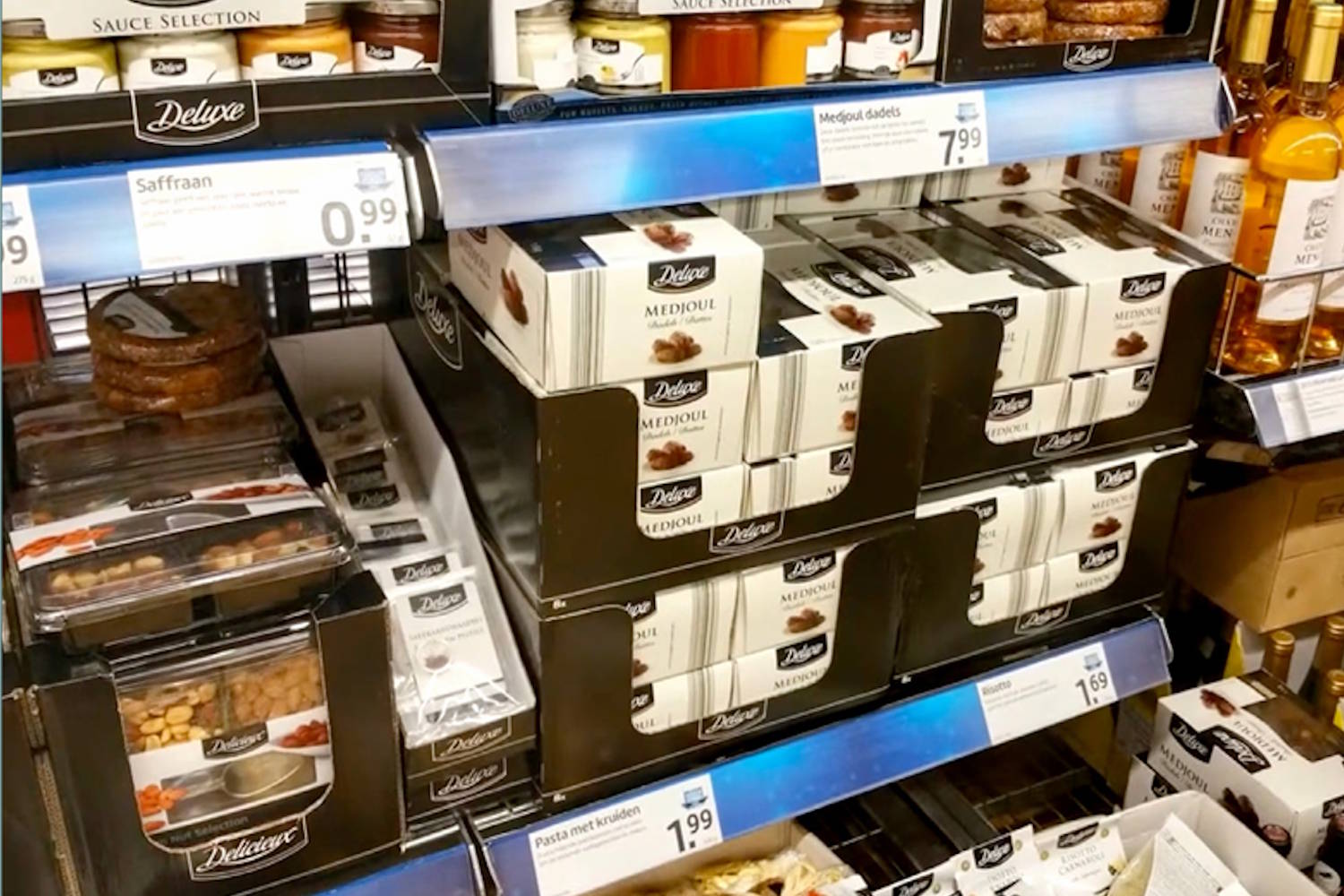
All eyes on dates, citrus fruits and other agricultural products from occupied territories. According to a new investigation, thousands of tons of goods from Israeli colonies enter Europe benefiting from concessions and certifications that they should not receive.
For years, Palestinian associations and human rights organizations have denounced the presence in European supermarkets of products originating from Israeli colonies in the occupied territories, but sold as if they originated in Israel.
Now, second Importing Employmentthe four-year investigation published by the Global Echo Litigation Center, it is clear that a significant share of agricultural products from Israeli settlements in the West Bank, East Jerusalem and the occupied Golan Heights would arrive in European markets with labels, certifications and customs advantages reserved for Israeli products.
Millions of euros of colony products in European markets
The investigation is based on the analysis of over 30,000 export documents, government data, inspections and interviews with operators in the Israeli agricultural sector. According to the authors, out of over 5,900 shipments examined between 2017 and 2026, approximately 17% were attributable to products coming from the colonies.
@Global Echo Litigation
The analysis of more than 2,000 invoices would also have identified goods worth approximately 13.1 million euros declared as originating in Israel despite coming from the settlements, thus obtaining preferential tariff treatments.
Among the products involved there are dates, citrus fruits, tahini and other agricultural products intended for European consumers.
Labeling
According to the report, many products from the colonies would arrive on shelves with the indication “Product of Israel”, despite having been cultivated in territories that the international community considers occupied and which are not part of the State of Israel according to international law.
For the authors of the survey, this system would prevent consumers from knowing the real origin of the foods they buy and would make it very difficult to make informed purchasing choices.
The three strategies used to hide the origin
The report identifies three main ways in which the origin of goods would be hidden:
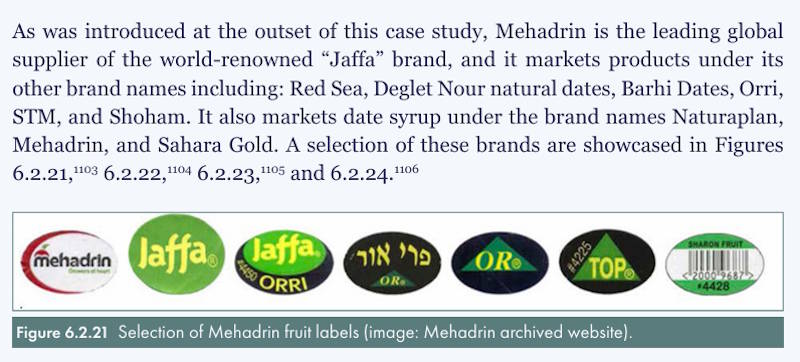
Analysts also point the finger at the system of organic and phytosanitary certifications: according to Global Echo, the Israeli authorities would issue certifications for products grown in the settlements, certifications which would subsequently be accepted by the European and British authorities. The authors argue that such documents should not be considered valid for goods coming from occupied territories.
At the same time as the publication of the report, the legal center announced the launch of legal action in the United Kingdom against the control system adopted by the British customs authorities, deemed incapable of effectively distinguishing between Israeli products and products coming from the colonies. Further legal initiatives could follow in other European countries.
Because this story affects all of us
Behind a label there is not only a production chain, but also and above all territories, resources, rights and human stories. This is the issue that emerges forcefully from the report: the possibility that products from Israeli colonies arrive on European tables without consumers being fully aware of it raises questions that go far beyond trade.
On the one hand there is the right of those who purchase to know the real origin of what they put in their cart. On the other hand, there is an even broader issue, which concerns the economic impact of the settlements on the occupied Palestinian territories, which has been denounced for years by international organisations, NGOs and United Nations bodies.
And it goes without saying that an ineffective control system risks contributing, directly or indirectly, to the maintenance of an economic model built on employment, land grabs and unequal access to resources.
HERE you can find the full report.
