
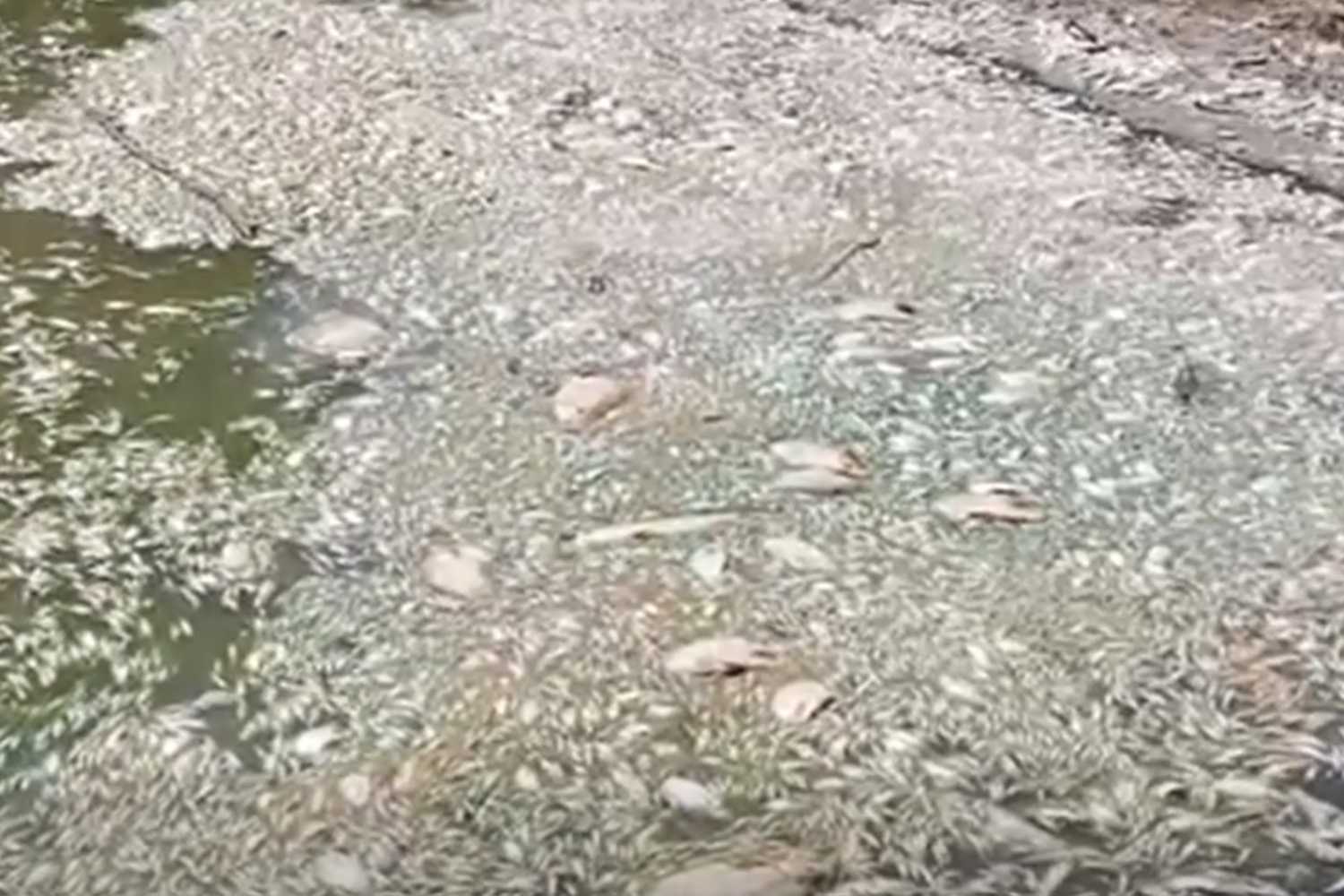
An extreme heat wave is decimating fish fauna in French rivers, turning nature reserves into open-air cemeteries. At the Verdelet boire, a dead arm separated from the main course of the Allier river located in the municipality of Toulon-sur-Allier, the water level has dropped to dramatic heights. The managers of the Val d’Allier reserve and local fishermen have raised the alarm in the face of a desolate scenario: carp and other fish are now floating lifeless on the dried mud, while the specimens that have escaped immediate death become easy prey for foxes and badgers. Although evaporation caused by the heat is the first suspect, the competent authorities have launched an official investigation to verify whether there are other causes in addition to climate change.
The heat trap of the Torse boire
The situation is equally critical moving further west, along the Loire basin. Between the localities of Loireauxence (in particular in the hamlet of Varades) and Montrelais, near Ancenis-Saint-Géréon east of Nantes, the Torse boire has transformed into a real thermal trap. The boires, or the ancient abandoned river beds, are invaded by water only during winter floods.
With the arrival of the scorching temperatures of June, the basins that remained isolated underwent sudden warming. The water became literally boiling, causing a drastic refreshment of oxygen which killed thousands of fish by asphyxiation, releasing a nauseating odor felt from a great distance by all residents.
The mobilization of residents and climate alarm
Faced with this massacre, the citizens of the affected sectors did not stand idly by and mobilized with makeshift buckets and nets, attempting to save the surviving specimens and transfer them to the main waterways. A phenomenon that sadly highlights the fragility of European aquatic ecosystems in the face of the climate transition.
While insects such as notonettes and dragonflies continue to reproduce in the few humid pools, the disappearance of fish risks altering the food chain, threatening the survival of frogs and marsh turtles. Experts point out that these events are no longer isolated anomalies, but painful confirmation of how global warming is reducing the habitability of freshwater habitats.
You might also be interested in:
