
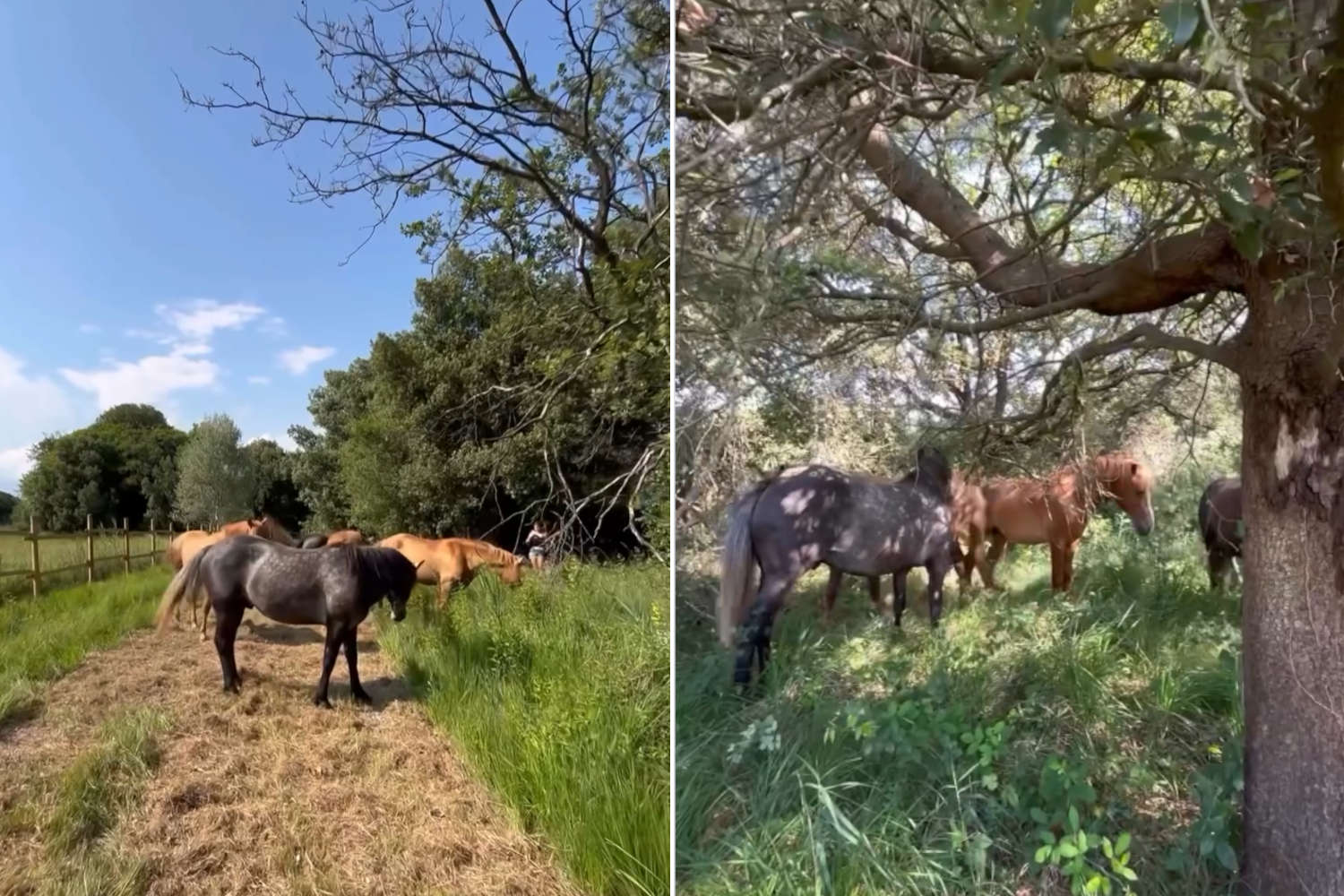
An epochal turning point redefines the management of the natural heritage of the Veneto, transforming a renowned seaside resort into a model of sustainability studied at a European level. At the Val Grande Natural Oasis in Bibione, agricultural machinery and mechanical lawnmowers are definitively retired. Their place was taken by six young foals, three males and three females, coming from the Il Rosmarino educational farm in Marcon.
This unusual herd received ten hectares of stable meadow with a very specific task: to replace artificial mowing through natural grazing. The initiative represents the pilot action of the European Central-Bic program (Interreg Central Europe 2021-2027), developed in close synergy with the local Vegal action group.
View this post on Instagram
Two years of scientific studies and biodiversity
The introduction of the horses is not the result of improvisation, but the culmination of two years of field research conducted by the oasis park rangers and researchers from the University of Udine. The scholars have meticulously mapped the ancient ecosystem of the valley to identify the most suitable grazing area. The project is part of an ecological regeneration process that began as early as 2024 with the installation of numerous hives.
The combined action of horses and bees will favor pollination and the growth of spontaneous blooms, re-establishing the balance of local biodiversity. As explained by the naturalist Giosuè Cuccurullo, the objective is not to exhibit postcard animals, but to allow nature to take care of itself with discretion, perfectly integrating grazing with the protection of the flora.
Sustainable tourism and animal welfare without exploitation
The new management of the Val Grande Oasis combines environmental conservation with an innovative tourist offer that respects animal rights. The six foals will live in a state of total freedom and will never be ridden or subjected to any form of commercial exploitation, placing the psychophysical well-being of the herd at the top of the management committee’s priorities.
In the coming months, the facility will organize special guided encounters that will allow visitors to observe the herd up close in its pristine habitat. It will be an opportunity to educate the public on the value of ecosystem services and demonstrate how it is possible to replace the impact of heavy vehicles with the delicacy of native fauna.
You might also be interested in:
